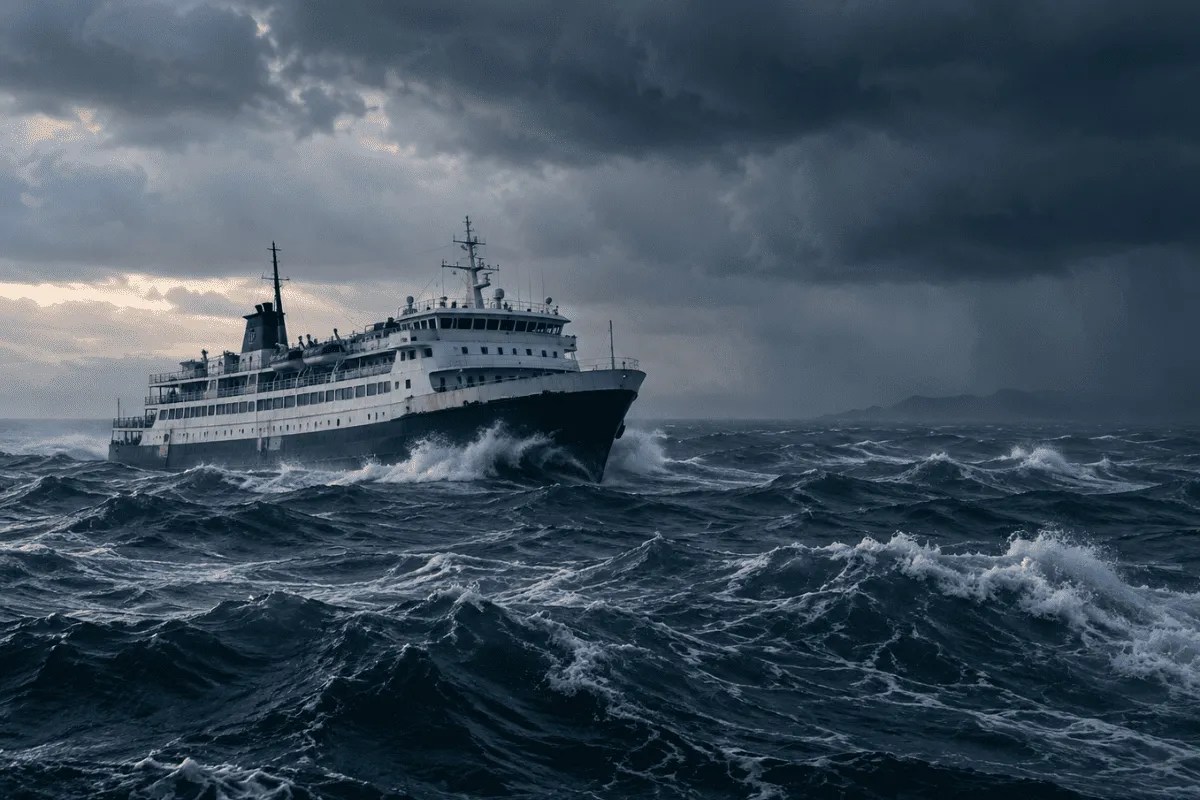
Rough seas and ignored marine alerts combined into a nightmare in the South Pacific when the inter-island passenger ferry MV Matui went down. Operating a domestic route between the islands of Ambae and Santo in Vanuatu, the vessel sank under severe weather conditions, leaving dozens of families searching for answers and sparking urgent questions about maritime safety standards in the region.
The Tragic Toll In Pacific Waters
When the MV Matui sank, it triggered a massive search and rescue response across open waters. Prime Minister Jotham Napat's office confirmed that initial rescue operations managed to pull survivors from the sea, but the final toll proved devastating. Authorities eventually concluded the active search after dozens of people remained unaccounted for, with officials and international observers tallying a total loss of nearly 40 lives once rescue efforts transitioned into recovery.
Aircraft and marine vessels mobilized quickly. Pilots from organizations like the Flying Doctor service scanned the churning waves, dropping lifejackets to spots where survivors fought the currents. Local authorities and harbor masters converged on the region, concentrating their grids along the southeast coast where ocean currents typically carry debris and drifting bodies.
The Question Of Negligence And Marine Warnings
Accidents of this scale rarely happen due to weather alone. Investigations quickly zeroed in on whether proper protocols were followed before the ship left port. Reports from government offices indicated that severe weather alerts and strong wind warnings had been issued prior to departure, yet the vessel still attempted the crossing.
Inter-island ferries serve as vital lifelines for remote communities across the Pacific island nation, moving everyday commuters, supplies, and families between distant landmasses. Because alternative transport is scarce, operators sometimes face immense pressure to keep schedules running regardless of conditions. This disaster exposed the lethal cost of pushing ahead when marine safety guidelines demand caution. Local leaders and safety authorities launched formal inquiries to determine if criminal negligence played a role in letting the doomed vessel sail into a storm.
Moving Forward After The Catastrophe
The government cancelled high-level international trips, including scheduled addresses at the United Nations General Assembly, as Prime Minister Napat rushed back to manage the crisis domestically. Communities gathered for national memorial services to honor those lost on the MV Matui, while survivors and grieving relatives voiced demands for stricter oversight of commercial ship operators.
Calls for accountability continue to grow across Vanuatu. Experts point out that preventing future tragedies requires aggressive enforcement of vessel seaworthiness, mandatory adherence to weather warnings, and zero tolerance for overloading maritime transport. Until regional authorities tighten compliance and penalize operators who ignore basic safety thresholds, passengers traveling between islands will continue to face entirely avoidable risks on the open ocean.