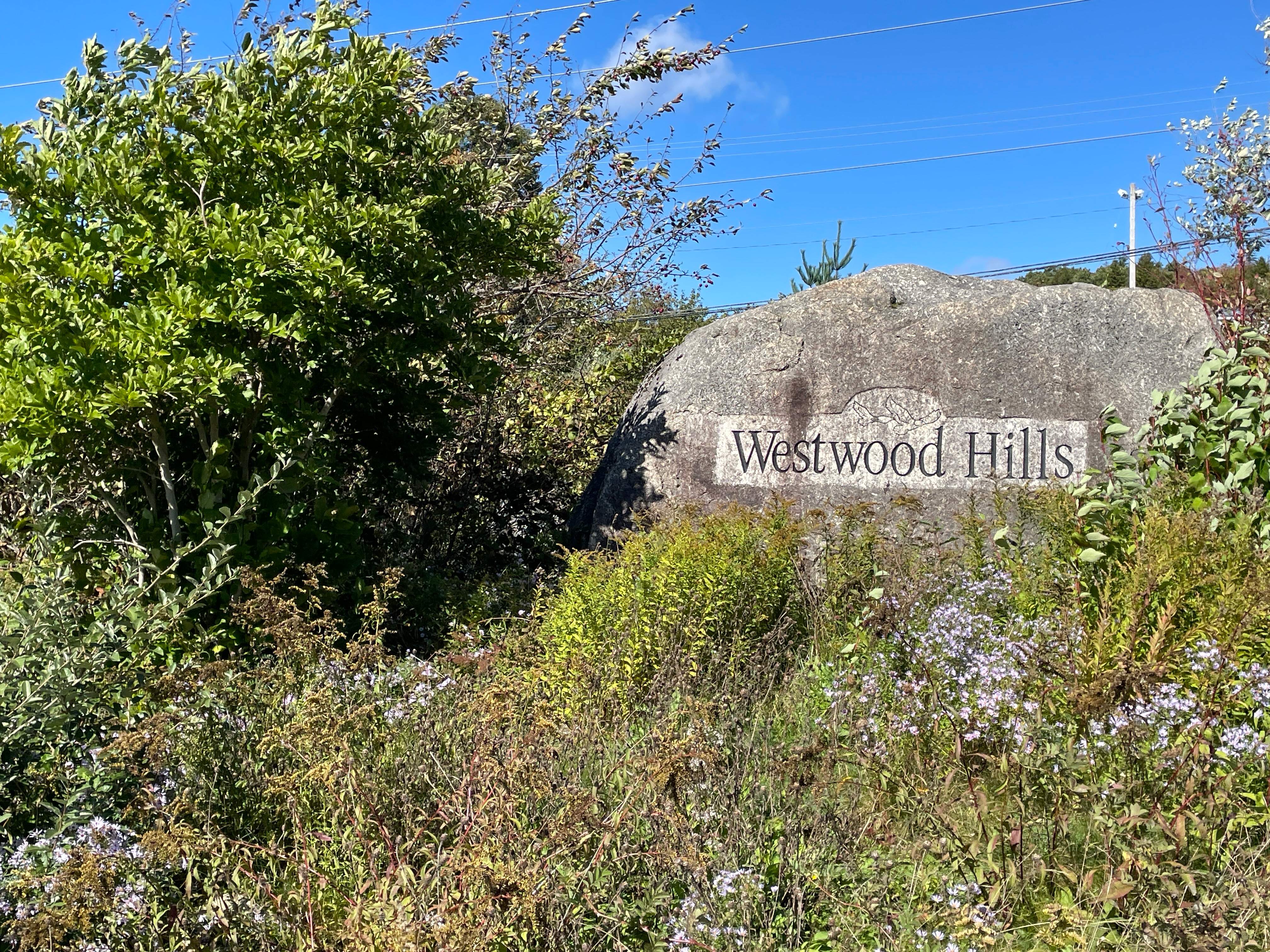
When the devastating Tantallon wildfires broke out, communities across the Halifax Regional Municipality faced a terrifying reality check. For neighbourhoods built with only a single primary path in and out, evacuation bottlenecks quickly turned into high-stakes nightmares. In Westwood Hills, that wake-up call sparked years of advocacy. Now, construction on a long-awaited emergency egress route is finally underway, but many locals argue the fix is only skin-deep.
The core issue isn't just about getting out during a crisis. It is about spatial vulnerability, municipal planning blind spots, and whether local authorities are learning fast enough from recent climate disasters.
The Anatomy of the Westwood Hills Egress Problem
For years, residents in the Westwood Hills subdivision have relied heavily on access points channeling directly onto Hammonds Plains Road. During normal rush hours, traffic can back up significantly. During a fast-moving wildfire or community-wide evacuation, that geometry becomes a major bottleneck.
The new project breaks ground on a roughly 500-metre gravel access road linking the subdivision directly to Highway 103. Awarded to Total One Contracting Limited, the project involves site grading, rock excavation, and the construction of an eight-metre-wide gravel corridor secured by locked gates at both ends.
It is designed strictly for emergency use. Under everyday conditions, the gates stay locked. Only when authorized municipal officials or emergency responders trigger an opening will vehicles use the route to bypass clogged arterial roads.
Richard O’Fegan, president of the Westwood Hills Residents Association, calls the momentum a welcome step. Seeing physical action on the ground offers psychological relief to a community that has spent years evaluating its own vulnerability. Yet, community leaders emphasize that a single emergency gate does not solve the structural isolation baked into regional subdivision design.
Why Residents Are Pushing for More Connections
Building a single gated exit to Highway 103 is a sensible triage measure, but it leaves broader regional transit and safety questions unanswered. Neighbourhood groups, including Pockwock Corridor SAFE, point out that relying on one extra egress route ignores the wider picture of suburban expansion and traffic management.
Residents want answers on whether municipal planners intend to greenlight more development without fixing regional connectivity. If a major emergency blocks south-facing routes, a single gated gravel road might quickly saturate under the weight of hundreds of fleeing vehicles.
Beyond a southern link to Highway 103, community conversations have centered on potential connector roads heading north toward Highway 101 or linking adjacent areas like Upper Hammonds Plains and Highland Park. These alternative paths would distribute evacuation loads across multiple highway networks instead of funnelling entire communities into a single corridor.
The Balancing Act Between Growth and Safety
Municipalities face a difficult balancing act. Expanding suburban infrastructure costs millions, and engineering challenges—such as steep terrain, wetlands, and private land ownership—complicate new road layouts. At the same time, continuing to approve residential growth without expanding baseline evacuation capacity invites public backlash.
Halifax regional officials have rolled out public engagement sessions and online surveys to gauge resident feedback on broader connector road options. These consultations are meant to feed into long-term infrastructure strategies. For homeowners living beneath the shadow of potential wildfire seasons, however, studies and surveys feel entirely too slow compared to the pace of urban development.
The 500-metre connection to Highway 103 is slated for completion by late December, with final restoration wrapping up in the spring. When the gates are finally installed, Westwood Hills will have an extra safety valve. Whether it proves to be a comprehensive solution or merely a temporary Band-Aid depends entirely on what planners build next.