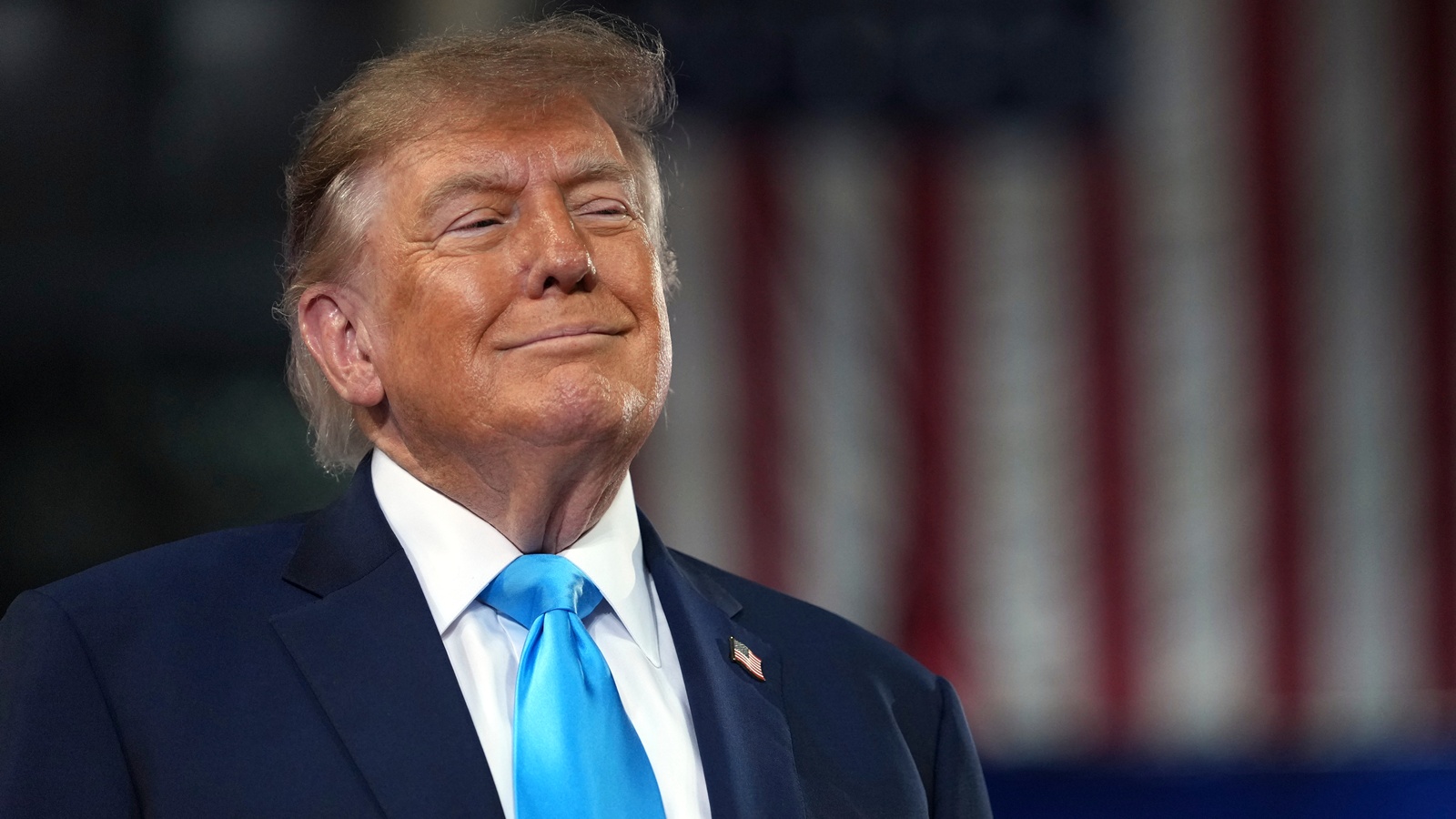
Picture a Tuesday morning in Tel Aviv, eight days before the polls open, and the hum of an espresso machine competes with the sharp, metallic chirp of a breaking-news alert. You take a sip. The coffee is bitter, over-extracted, too hot for the rush you are already in. On your phone screen, a thousand miles away in Washington, a social media post lights up with uppercase declarations: "Complete and Total Endorsement" for Benjamin Netanyahu, a leader praised as "Strong, Brave, and Brilliant" amid a widening war with Iran.
Across the street, a neighbor stands by his mailbox holding a crumpled flyer and shakes his head. He does not look angry so much as exhausted—the kind of bone-deep weariness that settles in after years of sirens, reservist call-ups, political street fights, and grief that refuses to stay neatly boxed in the past.
Donald Trump’s endorsement ahead of Israel’s October 27, 2026 parliamentary election was meant to act like a thunderclap. On paper, it looked like high-voltage support from the most powerful ally in Jerusalem’s corner. Yet when the ballots were counted—and as the deadlocked Knesset moved weeks later toward a new speaker backed by Netanyahu’s opponents—the vote told a far more complicated story. A foreign endorsement can rally loyalists and dominate headlines. It cannot erase grief, settle coalition math, or decide who sleeps soundly at night.
When Power Arrives From Across the Ocean
To understand why a post from Washington hits differently inside a polling station in Haifa or Beersheba, it helps to separate spectacle from sovereignty. In politics, an endorsement is often treated like a spotlight: bright, unmistakable, impossible to ignore.
Let’s use a quick metaphor to see how that spotlight actually lands. Imagine a family arguing around a kitchen table over how to fix a leaky roof and pay off a mountain of debt. Suddenly, a wealthy cousin from overseas shouts through the open window that the loudest person at the table is a genius and should stay in charge. That cousin might bring cash, muscle, or influence. Still, the cousin does not live under the wet ceiling, and the cousin does not get a vote when the family decides who holds the wrench.
That is the tension baked into every major American intervention in an Israeli election. Ahead of the October 27, 2026 vote, Trump framed his backing around shared resolve in the war against Iran, arguing that confronting Tehran was unavoidable and tying the conflict to wider stakes, including energy costs and security. Netanyahu answered quickly with a video calling Trump an extraordinary friend and praising him for standing firm despite domestic pushback.
On the surface, it looked like a seamless handshake between two leaders who knew how to work a crowd. Beneath the surface, Israeli voters were weighing questions no overseas ally could answer for them. Was this war bringing real security or endless strain? Would re-electing Netanyahu mean closure or continued division over accountability for October 7, 2023?
Two Kitchen Tables, Two Sets of Stakes
Consider a hypothetical scenario—a fictional snapshot grounded in real pressures—that shows how differently the same endorsement can feel depending on where you sit.
Imagine Noa, a thirty-four-year-old software engineer and mother of two in Ramat Gan. Since October 2023, her husband has been called up more times than she cares to count. When she sees Trump praise Netanyahu’s toughness on Iran, part of her wants a leader who projects unyielding strength against hostile states. Another part of her wonders whether endless escalation leaves her family permanently on edge, and whether the government has dodged an honest reckoning over how security failed in the first place.
Now imagine Tariq, a shopkeeper in northern Israel who has watched neighbors argue bitterly over loyalty, identity, and belonging as tensions flared during the campaign. For him, a foreign endorsement does not feel like reassurance; it feels like outside weight pressing down on a domestic fracture that is already wide open.
Neither Noa nor Tariq is an abstraction. Millions of people in Israel carry conflicting instincts like these into the voting booth. Voters are not simple calculators sorting candidates into "pro-American" and "anti-American" buckets. Many admire Washington’s military backing while insisting—just as opposition leader Gadi Eisenkot argued after the endorsement—that only Israelis choose their prime minister.
A foreign leader can lend a megaphone to a campaign, yet the weight of governing still belongs to the people who live with the consequences every morning.
💡 You might also like: Why China's Hospital Ship in Africa Is a Distraction From the Real Power Play
Why Numbers Don't Care About Swagger
Politicians love momentum. After the vote, Trump claimed his endorsement had helped Netanyahu outperform expectations and "turned the whole tide," even as early tallies showed Netanyahu’s bloc trailing the 61-seat majority needed for an outright Knesset win.
Here is the catch with Israeli parliamentary math: finishing strong in a single speech or boosting a bloc’s floor is not the same as crossing the finish line. Israel’s 120-seat Knesset rewards coalition arithmetic, party discipline, and awkward compromises. Even when a faction holds its ground or rallies late, falling short of 61 seats turns victory claims into a high-wire negotiation.
And the fallout stretches well past election night. Following the October 27 ballot, President Isaac Herzog tasked Eisenkot with trying to form a government. By mid-November, lawmakers elected Matan Kahana—an ally of Eisenkot—as Knesset speaker, replacing Netanyahu ally Amir Ohana in a move aimed at reshaping the legislative calendar, including proposals around a state inquiry into October 7, term limits, and judicial powers.
Watching that unfold makes one thing painfully clear. Sometimes the biggest story of an endorsement is not what it proves on election day, but what it cannot stop in the weeks that follow.
The Invisible Cost of Political Theater
I will be honest with you: trying to read Middle Eastern politics from afar can feel dizzying. One day brings a grand declaration of loyalty; the next brings a deadlock, a shouting match in parliament, or a sudden shift in coalition leverage. Anyone claiming to have total certainty about how every vote moves is selling confidence they have not earned.
Still, certain patterns repeat often enough to trace. When outside leaders weigh in loudly on another country’s election, they often speak to two audiences at once. One is the foreign electorate. The other is their own base back home—voters watching midterms, energy prices, war fatigue, and proof of strength.
There is nothing unusual about leaders using foreign allies to project power at home. What gets overlooked is the human cost of treating another nation’s election like a stage prop. In Israel, voters have been living through war, grief, economic strain, international isolation, and intense internal polarization. When outside voices turn that raw reality into a quick score-settling exercise, the people living inside the pressure cooker feel reduced to extras in someone else’s drama.
What Actually Decides the Next Chapter
If you strip away the bravado on both sides, the real test after an endorsement is quiet and stubborn. It shows up in coalition rooms where rival factions haggle over every seat. It shows up in parliamentary debates where raw wounds from October 7 still erupt across the aisle. And it shows up in ordinary households trying to figure out whether tomorrow looks safer or heavier than today.
Endorsements make noise. They travel fast across screens, spark instant reactions, and give supporters a banner to wave. Yet real political power in a democracy is measured in votes counted, majorities assembled, and trust earned—or lost—over time.
Late at night in Jerusalem, long after the cable panels wind down and the social media posts lose their fresh glow, a streetlamp flickers over quiet stone steps while families behind closed doors weigh what comes next. No tweet from Washington can tuck a child into bed with peace of mind, and no grand promise can settle a fractured room all by itself. In the end, the loudest voice in the room is rarely the one shouting from afar—it is the quiet, relentless reality of the people who have to live with the choice.