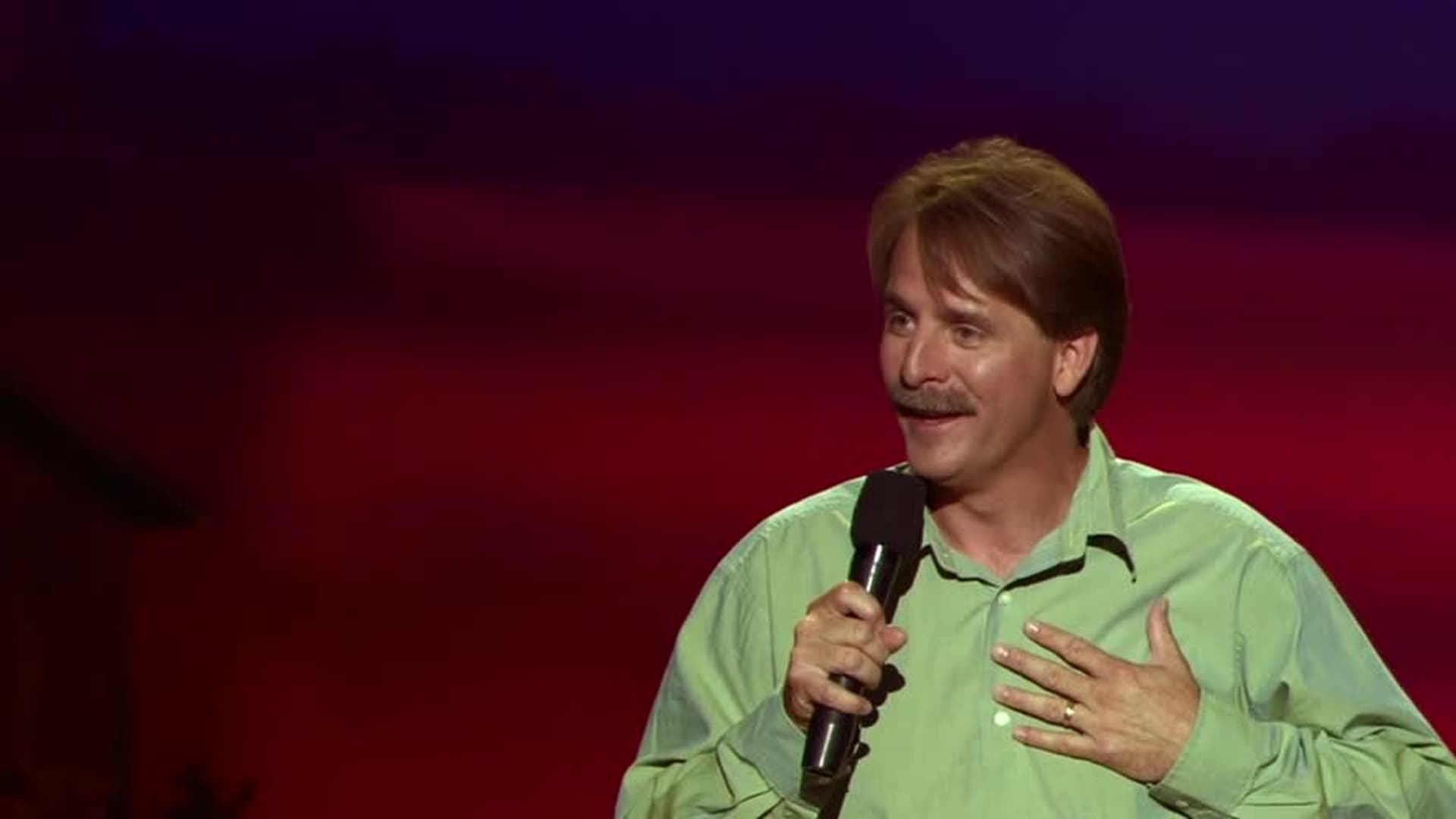
They didn't look like superstars. Honestly, that was the entire point. In the early 2000s, while the rest of the comedy world was busy trying to be edgy, ironic, or hyper-political in New York clubs, four guys in jeans and work shirts decided to talk about deer hunting, yard sales, and the sheer stupidity of daily life. The Blue Collar Comedy Tour wasn't just a series of shows; it was a massive cultural shift that most critics in Los Angeles and New York completely missed until it was already making hundreds of millions of dollars. Jeff Foxworthy, Bill Engvall, Ron White, and Larry the Cable Guy tapped into a demographic that felt ignored by mainstream media, and they did it with a relentless touring schedule that would've broken younger comics.
It started small. Sorta.
Jeff Foxworthy was already a household name because of his "You Might Be a Redneck" bit, which had become a legitimate phenomenon by the mid-90s. But the tour itself, which launched in 2000, transformed these four distinct personalities into a collective juggernaut. They weren't just telling jokes. They were validating a lifestyle. When you look back at the footage now, the chemistry feels authentic because they actually liked each other. Mostly. There’s a specific kind of magic in seeing Ron White sip scotch and smoke a cigar while Larry the Cable Guy does a bit about a Walmart bathroom. It’s high-low art at its most chaotic.
The Unlikely Architecture of the Blue Collar Comedy Tour
Success wasn't guaranteed. Not by a long shot. Before the first show in Omaha, there were plenty of industry "experts" who thought the concept was too niche. They were wrong. The tour eventually grossed over $15 million in its first major run, but that was just the gate. The real money lived in the DVDs and the specials. Blue Collar Comedy Tour: The Movie, released in 2003, became one of the highest-rated programs in Comedy Central history. It’s hard to overstate how much that one film changed the trajectory of stand-up comedy marketing.
The lineup was a perfectly balanced machine.
Foxworthy was the veteran, the "clean" observationalist who acted as the glue. Bill Engvall brought the "Here's Your Sign" brand of frustrated-but-lovable fatherhood. Then you had the wild cards. Ron White—"Tater Salad"—provided the grit and the adult-oriented storytelling that kept the show from feeling too much like a Sunday school picnic. And then there was Dan Whitney, better known as Larry the Cable Guy. Larry was a character, a high-concept act that some people (mostly critics) took way too seriously, while the fans just enjoyed the catchphrases and the sleeveless flannel.
It worked because it didn't feel like a lecture. It felt like a backyard barbecue where the funny uncle finally got a microphone.
Why the "Redneck" Label Was Actually a Stroke of Genius
People love to categorize things. It makes life easier. By leaning into the "Redneck" and "Blue Collar" branding, the tour created an immediate "us vs. them" tribal loyalty without being mean-spirited. It was self-deprecating. When Foxworthy talked about having a porch that falls off the house, he wasn't making fun of the audience; he was making fun of himself. This subtle distinction is why the Blue Collar Comedy Tour exploded in popularity while other "themed" tours failed to gain traction.
Breaking Down the Individual Impact
If you pull the group apart, you see four very different career paths that converged at exactly the right moment.
Jeff Foxworthy was already a multi-platinum recording artist. His albums were outselling rock stars. He understood the business of comedy better than almost anyone in the industry. He saw that there was a massive "flyover country" audience that wanted comedy they could relate to without feeling like the butt of the joke.
Bill Engvall brought a domesticity to the group. His comedy was about marriage, kids, and the mundane struggles of being a suburban dad. It balanced out the more rural elements of the show. If Foxworthy was the farm, Engvall was the cul-de-sac.
Ron White is the fascinating outlier. He eventually left the brand to do his own thing, and honestly, it made sense. His humor was darker, more cynical, and increasingly sophisticated. While the other three stayed relatively "family-friendly" (or at least PG-13), White was the guy your parents didn't want you listening to. He proved that the "Blue Collar" label wasn't just about being from the South; it was about a specific kind of unfiltered honesty.
Larry the Cable Guy was the lightning rod. He was the most successful, the most polarizing, and the most recognizable. The catchphrase "Git-R-Done" became a global verbal tic. Scholars actually wrote papers about whether Larry was a parody of Southern culture or a celebration of it. The fans? They didn't care. They were too busy laughing at the fart jokes and the stories about his fictional family.
The Business of Being Relatable
The numbers are staggering. We're talking about a franchise that spawned three movies, a satellite radio channel that still exists today, and a short-lived but highly-rated variety show (Blue Collar TV).
- Blue Collar Comedy Tour: The Movie (2003)
- Blue Collar Comedy Tour Rides Again (2004)
- Blue Collar Comedy Tour: One for the Road (2006)
Each installment showed a slight evolution. By the time they reached One for the Road, they were playing arenas that usually hosted NBA teams or Metallica. The production values went up, but the outfits stayed the same. That consistency was their greatest asset. You knew exactly what you were getting. In a world of shifting trends, the Blue Collar Comedy Tour was a North Star for people who just wanted to hear a story about a bad fishing trip.
The Misconception of "Simple" Humor
There’s a common mistake people make when discussing this era of comedy. They think it was "easy." It wasn't. Writing a joke that resonates with a guy in a garage in Ohio and a grandmother in Georgia simultaneously is incredibly difficult. Foxworthy’s "You Might Be a Redneck" jokes are structured like classic haikus. They are economical. They are precise.
"If you've ever cut your grass and found a car... you might be a redneck."
It’s a perfect comedic setup and payoff. It doesn't waste a syllable. The "Blue Collar" guys were masters of the "rule of three" and timing. They made it look effortless, which is the hallmark of an expert, but the craft behind those sets was significant.
The Legacy and What It Left Behind
The tour officially ended in 2006, but its shadow is long. It paved the way for the "Comedy Central Presents" era and showed networks that there was a massive, untapped market for regional humor. Without Blue Collar, you likely don't get the massive success of someone like Nate Bargatze today, who carries that same "clean, relatable, everyman" energy, albeit with a more modern, deadpan twist.
What happened to them?
They all went on to massive solo careers. Foxworthy hosted Are You Smarter Than a 5th Grader?. Engvall did Dancing with the Stars and had his own sitcom. Larry voiced Mater in Disney’s Cars franchise, arguably becoming the most "famous" voice in the group for a generation of kids. Ron White became a legendary solo theater act, consistently ranked as one of the top-grossing comics in the world.
They didn't need the tour anymore, but the tour is what cemented them as icons.
Surprising Facts You Probably Forgot
- The tour actually started because of a shared manager, JP Williams, who saw the potential in a multi-act bill.
- Ron White was not part of the Blue Collar TV show, which led to early rumors of a rift, though he later clarified it just wasn't his style of comedy.
- The group actually reunited for a "Them Idiots Whirled Tour" in 2012, though it didn't carry the "Blue Collar" name due to branding and rights issues.
- The 2003 movie was filmed at the Dodge Theatre in Phoenix, Arizona—not exactly the heart of the Deep South, proving the appeal was national.
How to Apply the Blue Collar Mindset Today
If you’re a creator, a marketer, or just someone interested in why things go viral, there is a lot to learn from this era. They didn't chase the "cool" kids. They found a group of people who felt ignored and gave them exactly what they wanted. They were authentic to their personas, even when those personas were exaggerated for the stage.
Actionable Insights for Navigating Cultural Trends:
- Identify the "Ignored" Audience: Look for demographics that mainstream media currently mocks or overlooks. There is immense power in being the first person to speak to them instead of about them.
- Consistency is King: The Blue Collar guys never tried to be "intellectual" or "edgy" to win over critics. They knew their lane and stayed in it for six years of touring.
- Collaborate for Scale: Four solo acts are great, but a "tour" is an event. Combining audiences allows for cross-pollination that you can't get on your own.
- Ownership of Brand: They didn't just tell jokes; they built a brand that lived on SiriusXM, DVD, and merch. Always look for ways to make your work live beyond the initial performance.
The Blue Collar Comedy Tour was a moment in time that probably couldn't happen the same way today. The world is too fragmented. But the core principle—that people want to laugh at the things they recognize in their own mirrors—is timeless. Whether you loved the jokes or rolled your eyes at them, you can't deny the sheer gravity of what they built. It was loud, it was proud, and it was exactly what millions of people needed at the time.
Next time you hear a "Here's Your Sign" joke, don't just laugh. Think about the business empire built on the back of a few simple observations about human stupidity. It's actually pretty brilliant.
To really understand the impact, you should go back and watch the first 2003 special. Pay attention to the audience, not just the comics. You'll see a level of engagement that most modern performers would kill for. Then, look at how modern "clean" comedy has evolved; you’ll see the DNA of Foxworthy and Engvall everywhere. The "Redneck" might have retired the tour bus, but the influence is still very much on the road.