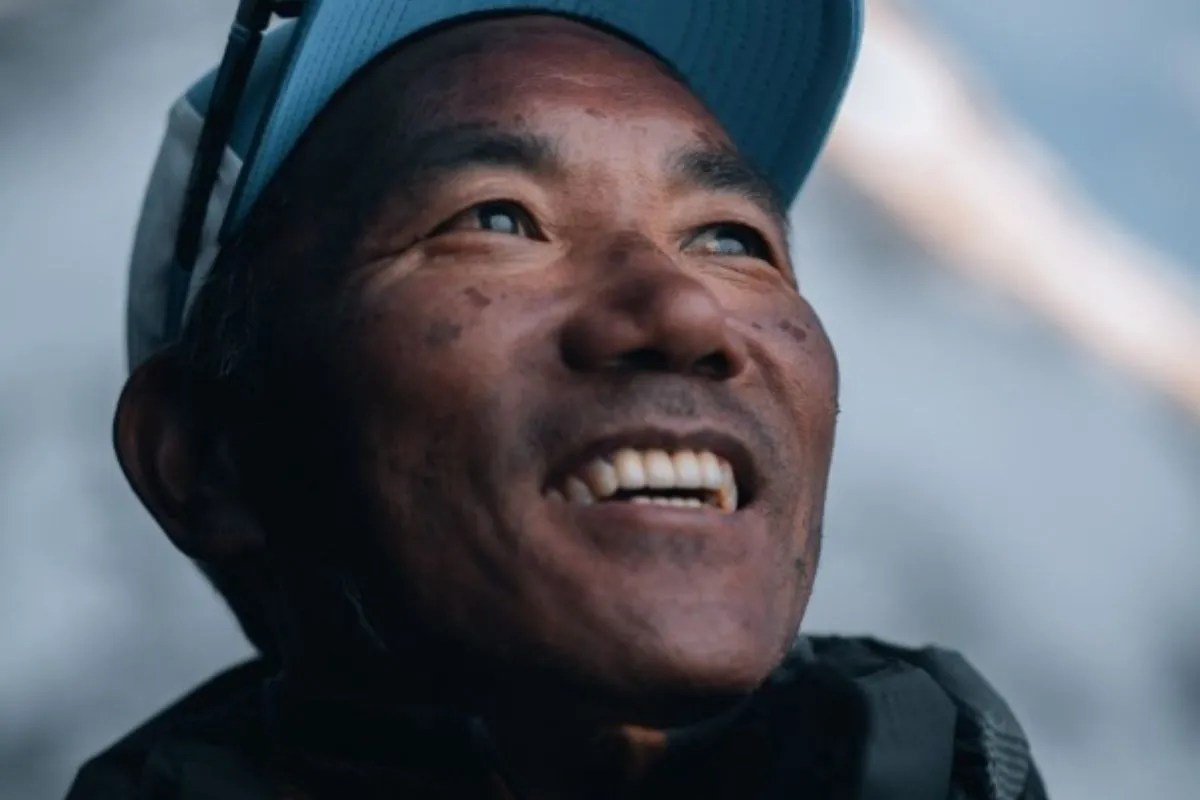
Western media loves a good superhero story. Every spring, when the weather window opens over the Himalayas, headlines light up with the latest tally from Mount Everest. On May 17, 2026, the ticker changed again. At 10:12 AM local time, Kami Rita Sherpa stood on the 8,848.86-meter peak for the 32nd time in his life.
At 56 years old, he broke his own world record. Again.
http://googleusercontent.com/image_content/194
But if you’re just counting the numbers, you’re missing the entire point of what this man does. The mainstream press frames his career like it’s an Olympic track record or a quest for personal glory. It’s not. Kami Rita isn’t a trophy hunter trying to see how many medals he can stack up before retirement. He’s a working guide. Every single historic step he takes above the death zone is done while carrying someone else’s gear, checking someone else’s oxygen lines, and ensuring that paying clients don’t die on the descent.
The Grind Behind the 32 Summits
To understand the sheer madness of 32 successful ascents, you need to look at the timeline. Kami Rita first stood on top of the world back in 1994. Think about that for a second. That's a 32-year career operating at the absolute limit of human physical capability. Most professional elite athletes are completely broken by their late 30s. Their knees go, their backs give out, or the mental fatigue of training destroys their drive.
Kami Rita is 56 and still out-climbing people half his age.
He grew up in Thame, a small village in the Solukhumbu district. This isn't just any village; it’s the historic salt-trade route between Khumbu and Tibet that also produced Tenzing Norgay. Mountaineering isn't a hobby in Thame. It’s the family business. His father was one of the early professional Sherpa guides after Nepal opened its peaks to foreigners, and his brother, Lakpa Rita, summited Everest 17 times.
Kami Rita started at the bottom as support staff in 1992, carrying heavy loads up to the high camps. He didn't just stumble into greatness. He paid his dues in sweat and heavy packs before he ever got a shot at the summit.
What the Record Books Ignore About High Altitude Work
When a Western climber summits Everest, they get a book deal and a speaking tour. When a Sherpa guide summits, they pack up the tents, hike down to Base Camp, and start planning the next expedition.
The physical toll of this lifestyle is brutal. Standing on the summit of Everest means surviving in the death zone, where the air contains only a third of the oxygen available at sea level. Your body literally starts dying minute by minute when you are up there. Brain cells starve, blood thickens, and your cognitive functions slow down to a crawl.
Now, imagine doing that while managing a client who is panicking, freezing, or suffering from high-altitude pulmonary edema.
"I am just working," Kami Rita has said repeatedly throughout his career. "I don’t go out of my way to make records."
That attitude is exactly what makes him an expert. While the world obsesses over the competitive rivalry—like his long-standing back-and-forth with Pasang Dawa Sherpa, who holds 29 summits—Kami Rita treats it like a shift at the office. He has also scaled K2, Cho Oyu eight times, Manaslu three times, and Lhotse. He understands the terrain better than anyone alive. It’s about risk mitigation, reading the snow, knowing exactly when the weather window is collapsing, and having the discipline to turn around when things look bad.
http://googleusercontent.com/image_content/224
Overcrowding and the Changing Face of Everest in 2026
The 2026 spring climbing season is proving to be one of the busiest on record. Nepal's Department of Tourism issued nearly 500 climbing permits this season alone. When you factor in the guides, cooks, and support staff, you have close to a thousand people trying to squeeze through the dangerous bottlenecks like the Hillary Step during a tiny, unpredictable weather window.
The government has tried to step in. New regulations under recent amendments have banned solo expeditions on all 8,000-meter peaks. They also jacked up the foreign climber royalty fees from $11,000 to $15,000 per person to try and manage the crowds.
But money doesn't buy safety. Experience does.
When hundreds of inexperienced wealthy tourists crowd the fixed ropes, the margin for error drops to zero. That’s why veteran guides like Kami Rita are more important than ever. They aren't just pathfinders; they are the traffic cops of the sky. They fix the ropes that everyone else uses. They decide when the line moves and when it stops.
On the exact same day Kami Rita hit his 32nd summit, 52-year-old Lhakpa Sherpa, known as the "Mountain Queen," hit her 11th summit, extending her own record for the most ascents by a woman. These two individuals represent the absolute pinnacle of Himalayan civilization and resilience, acting as the backbone of an industry that feeds thousands of families in the Everest region.
The Actionable Takeaway for Everyday Life
You're probably not planning to scale an 8,000-meter peak this weekend, but the way Kami Rita approaches his monumental task offers a massive lesson for any high-pressure career.
Don't chase the applause or the arbitrary metrics. Focus completely on mastering the mechanics of your craft. When you become so reliable, so technically proficient, and so resilient that the most extreme environments feel like a regular day at work, the records will take care of themselves. Stop looking for shortcuts to the top. Do the heavy lifting early in your career, build a deep foundation of practical experience, and respect the process. The summit is just a temporary stop; the true value is surviving the journey back down.