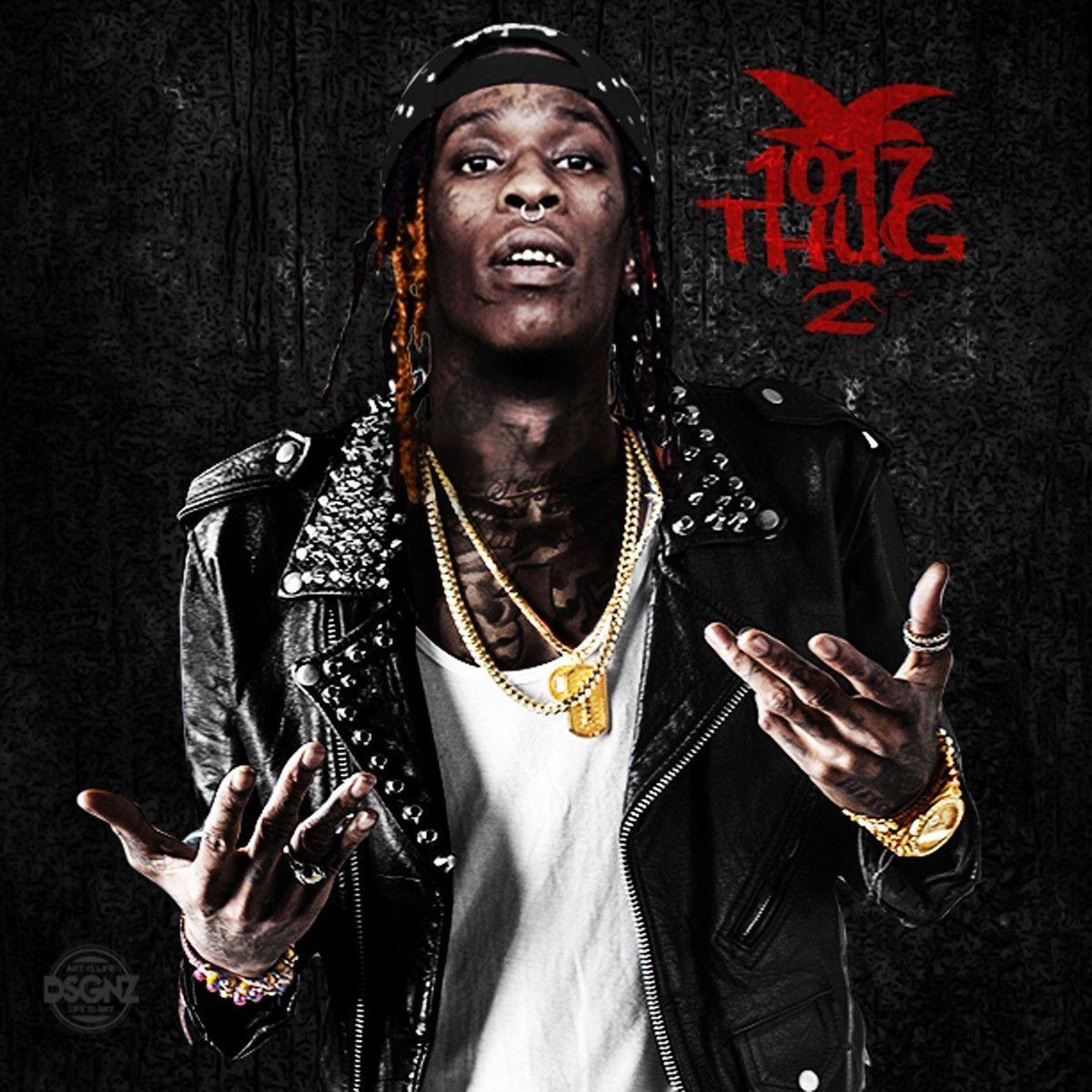
When Jeffery Williams first burst onto the scene with 1017 Thug, nobody really knew what to do with him. He was a chaotic blur of high-pitched squeals, flowery dresses, and a vocal range that seemed to ignore the basic laws of physics. People laughed. They called him weird. They said he was "mumble rap" personified. But looking back at the landscape of modern music in 2026, it's clear that Young Thug just might be the single most important architect of the current sound, whether the traditionalists like it or not.
He changed how people use their voices.
It wasn't just about the words. It was about the texture. Thug treated his vocal cords like a distorted electric guitar. You’ve got entire subgenres now, from the "melodic trap" of Lil Baby to the punk-infused energy of Playboi Carti, that simply wouldn't exist without Thugger breaking the door down first. He made it okay to be experimental in a genre that, for a long time, was obsessed with being "hard" in a very specific, rigid way.
Why Young Thug Just Might Be a Modern-Day Vocal Genius
Critics often miss the technicality behind what Thug does. Listen to a track like "Harambe" from Jeffery. He goes from a gutteral, rasping growl to a bird-like chirp in the span of three seconds. That isn't accidental. It’s a level of vocal control that most pop stars would struggle to emulate. Musicologist Nate Sloan and songwriter Charlie Harding have actually broken down his "unconventional" flows on the Switched On Pop podcast, noting how he plays with rhythm in ways that align more with jazz improvisation than standard boom-bap.
He’s a shapeshifter.
Honestly, the sheer volume of his output is staggering. Between the Slime Season tapes and his studio albums like So Much Fun, he has reinvented his "vibe" half a dozen times. While other rappers found a lane and stayed there to collect a paycheck, Thug kept swerving. He’s the reason why the "YSL" sound became a global export. He didn't just build a career; he built a literal family of artists under Young Stoner Life records, effectively colonizing the Billboard charts with his proteges.
The Fashion Evolution and Breaking Gender Norms
You can't talk about his influence without mentioning that Alessandro Trincone dress. When the cover of Jeffery dropped in 2016, it sent shockwaves through hip-hop. A rapper in a tiered, lavender skirt? It was unheard of. But Thug didn't do it for "clout" in the way we think of it now. He did it because he genuinely didn't see the boundaries.
"In my world, you could be a gangsta with a dress, or you could be a gangsta with baggy pants," he once told V Magazine. That nuance is everything. He dismantled the hyper-masculine barrier of hip-hop while simultaneously maintaining his street credibility in Atlanta. It was a tightrope walk that paved the way for Lil Nas X, Tyler, the Creator’s later aesthetic, and the general "gender-fluid" fashion we see in the 2020s.
The YSL RICO Case and the Legal Turning Point
Everything changed in May 2022. The 56-count RICO indictment brought against Young Thug and the YSL collective by Fulton County District Attorney Fani Willis shifted the conversation from music to the legal system. This wasn't just another celebrity arrest. It became a flashpoint for the debate over using rap lyrics as evidence in court.
The prosecution argued that YSL was a violent street gang. Thug's defense argued YSL was a record label. This case, which has stretched into 2024 and 2025, represents a massive moment in legal history. If Thug is convicted based on his creative output, it sets a precedent that could chill artistic expression across the board.
- Lyrics as Evidence: Using lines from "Slatty" or "Ski" to prove intent.
- The Length of the Trial: One of the longest in Georgia’s history.
- The Impact: It has forced the industry to look at the "Protect Black Art" movement with more urgency.
The reality is complicated. You can love the music and still acknowledge the gravity of the charges. But regardless of the outcome of the trial, the cultural footprint left by Jeffery Williams is permanent. You can hear his "slatt" and "slime" slang in middle schools in suburban Ohio and on runways in Paris. He’s a linguist as much as a musician.
The Technical Brilliance of the "Thugger" Flow
Most rappers follow the beat. Thugger fights the beat. He dances around it.
If you look at the track "Check," the way he pockets his verses is almost syncopated. He’ll drop a flurry of syllables and then just... stop. Silence. Then a weird ad-lib that fills the space perfectly. This is "mumble rap" only to those who aren't actually listening. In reality, it's a highly sophisticated understanding of pocket and cadence.
Engineers who have worked with him, like Alex Tumay, describe his process as lightning fast. He doesn't write lyrics down. He goes into the booth, hears the beat, and mumbles melodies until the words form. This "stream of consciousness" style is why his songs feel so raw and unpredictable. You never know if the next line is going to be a heartbreaking realization or a nonsensical joke about a vegetable.
A Mentor to the New Guard
Gunna, Lil Baby, Lil Keed, SahBabii—the list goes on. Thug didn't just inspire them; he mentored them. He provided the blueprint for how to be a melodic trapper. Before Thug, the Atlanta sound was dominated by the trap-heavy, aggressive staccato of T.I. and Jeezy. After Thug, it became melodic, fluid, and weird.
He basically fathered an entire generation of "clones" who eventually found their own voices. He’s like the Kanye West of the South in terms of his "co-sign" power. If Thug puts you on a track, your career changes overnight. That’s a level of gatekeeping power that few artists ever achieve.
What Most People Get Wrong About Young Thug
There's this idea that he’s just a "party" rapper. But if you dig into the deep cuts of Beautiful Thugger Girls, you find a man grappling with fame, loyalty, and heartbreak. He’s surprisingly vulnerable. Songs like "Family Don't Matter" show a country-trap hybrid that was years ahead of the "Old Town Road" wave.
He's not just a trend-follower. He's a trend-setter who often gets his ideas stolen before he can even finish the album.
The mainstream didn't catch up to him until So Much Fun in 2019, but by then, he had already released nearly a decade of influential work. He had to wait for the world's ears to adjust to his frequency. It’s a common trope for geniuses—being dismissed as "crazy" until everyone starts mimicking the "madness."
Actionable Insights for Fans and Creators
If you want to truly understand the impact Young Thug has had on the world, you have to look beyond the headlines of his trial and look at the DNA of the music you listen to every day.
1. Study the Vocal Dynamics: If you're a creator, listen to Jeffery from start to finish. Pay attention to how he uses his voice as an instrument rather than just a delivery system for words. Notice the grit, the falsetto, and the rhythmic shifts.
2. Follow the Legal Precedent: Keep a close eye on the "Restoring Artistic Protection (RAP) Act." The YSL case is the primary catalyst for this legislation. Understanding how the law views creative expression is vital for anyone in the arts.
3. Explore the Discography Chronologically: Don't just stick to the hits like "Best Friend" or "Hot." Go back to I Came From Nothing 2. You can hear the evolution of a man figuring out how to break the rules of music in real-time.
4. Acknowledge the Complexity: It's okay to hold two truths at once. You can appreciate the monumental shift he brought to fashion and music while also following the legal proceedings with a critical eye toward the facts of the case.
Young Thug changed the vocabulary of a generation. He changed the way we dress, the way we talk, and the way we hear melody. Whether he's in a courtroom or a recording studio, his influence is the air that modern hip-hop breathes. You can't escape it.



