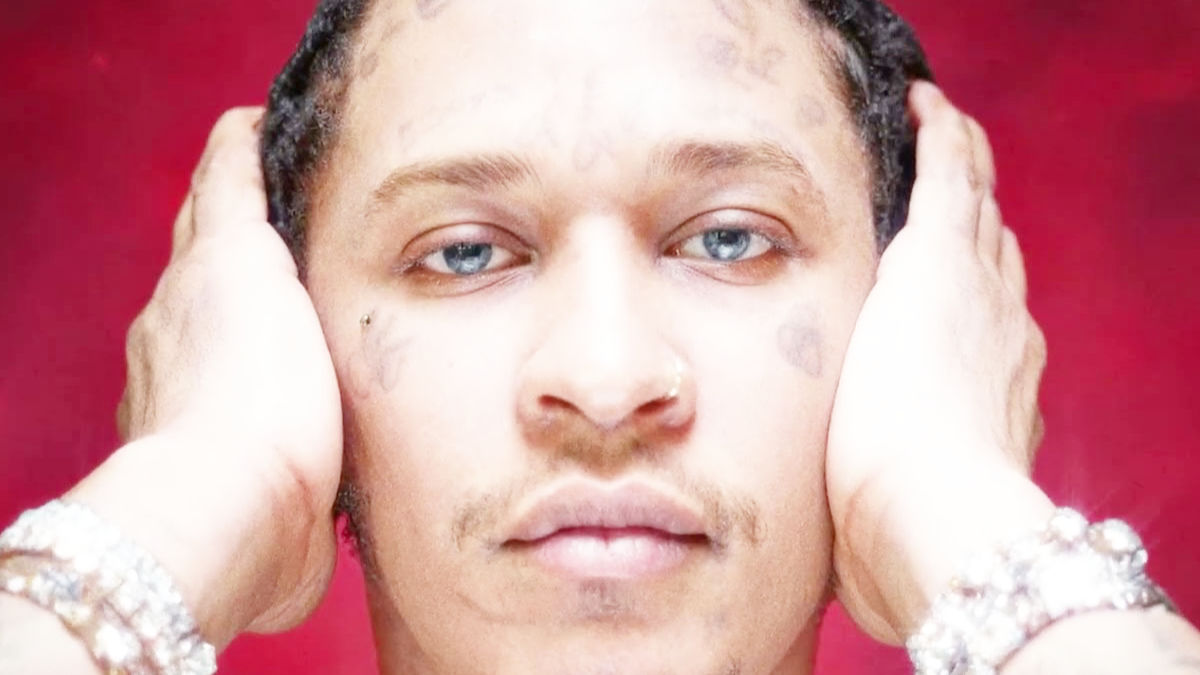
Hip-hop has always been about storytelling, but things got incredibly real for Jeffery Williams, known to the world as Young Thug, when his words stopped being just art and started being evidence. If you've been following the YSL RICO case, you know the term young thug lyrics check became more than just a search query for fans trying to decipher his "mumble rap" style; it became a focal point of a massive legal battle in Georgia. It's wild. For decades, rappers have bragged about things they may or may not have done, but the prosecution in the YSL case decided to treat those bars like sworn depositions. This shifted the entire industry's perspective on creative freedom.
The trial was long. Exhausting, really. We’re talking about the longest trial in Georgia’s history. When people go for a young thug lyrics check today, they aren't just looking for the words to "Check" or "Hot"—they are looking for the specific lines that District Attorney Fani Willis used to argue that YSL was a "criminal street gang" rather than just a record label.
The Verses That Ended Up in Court
Music shouldn't be a confession. Most artists agree on that. However, the judge in the YSL case, Ural Glanville (before he was eventually recused), ruled that lyrics could be used as evidence if they were "relevant" to the crimes alleged. This led to a surreal scene where prosecutors read lyrics from songs like "Slatty" and "Anybody" in a cold, monotone voice. It sounds ridiculous when you hear a lawyer recite "I killed his man in front of his momma," but in a courtroom, the vibe changes instantly. It’s no longer about the beat or the flow; it’s about "overt acts" in a conspiracy.
Take the song "Slatty." The lyrics mention "YSL" and "slime" constantly. To a fan, that's just branding. To a prosecutor, it's proof of gang affiliation. The young thug lyrics check reveals how deeply embedded certain slang is in the music, but the law often lacks the nuance to understand that rappers often play characters. If Johnny Cash wasn't arrested for "shooting a man in Reno just to watch him die," why is Thugga's art being scrutinized under a microscope? That’s the question that had the entire hip-hop community, from Meek Mill to Killer Mike, screaming about First Amendment rights.
The Cultural Impact of the Lyric-to-Evidence Pipeline
It’s scary for the genre. Honestly, if every rapper had to worry that a clever rhyme about a "draco" would lead to a 56-count indictment, the music would become sterile. Or maybe it wouldn't. Maybe it would just go further underground. The "Rap Music on Trial" movement gained massive steam because of this case. New York even passed the "Rap Music on Trial" bill to limit how prosecutors can use lyrics. It’s a huge win, but Georgia doesn't have that yet.
When you do a young thug lyrics check on a track like "Take It To Trial," the irony is almost too much to handle. The song itself mocks the idea of legal trouble, yet it became part of the very legal trouble it mocked.
- Artistic License: Rappers exaggerate. It’s part of the flex.
- The RICO Problem: Under RICO laws, you don't even have to pull the trigger to be liable; you just have to be part of the "enterprise."
- Deciphering Slang: Words like "pushin p" or "slatt" are often misinterpreted by older jurors who don't live in that world.
One of the most debated moments involved the song "Eww." Prosecutors pointed to the line "I'm in the VIP and I got that pistol on my hip." They argued this wasn't just a line; it was a statement of fact regarding Thug’s lifestyle and his role in the alleged gang. But fans know Thug is a fashion icon who once wore a dress on a mixtape cover. He’s an avant-garde artist. Reducing his entire discography to a series of police reports feels like a fundamental misunderstanding of what rap is.
Why Fans Still Care About the Specific Words
Why are people still doing a young thug lyrics check years into this saga? Because Thug is a genius of melody and "vibe" over literal meaning. Half the time, you can't even tell what he's saying until you see it written down. He uses his voice like an instrument—squeaks, growls, and high-pitched yelps. When you actually read the lyrics, you realize there’s a complex internal rhyme scheme that most people miss on the first listen.
He’s influenced an entire generation. Gunna, Lil Baby, SahBabii—they all owe their sound to the blueprint Thug created. But that blueprint is now stained by the legal proceedings. When you look up the lyrics to "Ski," you aren't just thinking about the viral dance anymore. You're thinking about the "Young Slime Life" acronym and whether or not a jury believed it stood for "Young Stoner Life."
The Nuance of "Slime" and "Slatty"
The term "Slime" has been around for decades. N.O.R.E. used it. Vado used it. But Young Thug made it global. In the context of a young thug lyrics check, you'll see "Slatt" (Slime Love All The Time) peppered through almost every verse. The prosecution spent hours trying to prove this was a secret code for a blood-affiliated gang. The defense argued it was a term of endearment. It’s a linguistic war.
Think about it. If you call your friend "brother," does that make you part of a monastic order? Probably not. But when you’re a wealthy Black man from Cleveland Avenue in Atlanta, the benefit of the doubt isn't always there. The nuances of AAVE (African American Vernacular English) are frequently lost in the legal system. Experts like Dr. Andrea Dennis, who wrote Rap on Trial, have testified about how this bias specifically targets hip-hop while leaving genres like country or heavy metal alone.
The Evolution of Thug’s Penmanship
Early Thug was chaotic. I Came From Nothing era was raw street rap. By the time we got to Barter 6, he was evolving into a melodic powerhouse. JEFFERY showed he could handle pop sensibilities. Through every stage, his lyrics remained a point of contention. Some called them nonsensical; others called them brilliant.
- Metaphors: He compares himself to animals, luxury cars, and food in ways that don't always make sense linearly but feel right emotionally.
- Wordplay: He often uses homophones that make a young thug lyrics check necessary to see which version of a word he’s actually using.
- Flow: His flow dictates the lyrics. He will cut a word in half just to make it fit the snare hit.
How the Case Changed the Industry
Because of the young thug lyrics check phenomenon during the trial, labels are now being more "cautious." There’s a rumor that legal departments are actually vetting lyrics before songs drop. That's a terrifying thought for art. Imagine a lawyer telling a rapper, "Hey, maybe don't mention that specific street corner because we have a pending litigation there." It kills the spontaneity.
However, it has also sparked a massive movement for legislative change. The "Protect Black Art" petition garnered hundreds of thousands of signatures. It’s not just about Thug; it’s about the precedent. If the state can use your poems to put you in a cage, then nobody is truly free to create.
The case took a massive turn when Young Thug eventually took a plea deal in late 2024. He’s out now, but under strict conditions. One of those conditions? He can't hang out with gang members (with some exceptions for family and his label) and has to stay out of Atlanta for a while. This "non-negotiable" ending to his legal saga means the music he makes moving forward will be under even more scrutiny. Every single bar in his next album will be subject to a young thug lyrics check by his probation officer.
Actionable Steps for Fans and Creators
If you are a fan or an aspiring artist watching this play out, there are real-world takeaways here. The intersection of law and art is messier than ever.
- Support Legislative Reform: Look into the "Restoring Artistic Protection (RAP) Act" at the federal level. This aims to limit the use of creative expression as evidence in federal court.
- Read the Transcripts: Don't just rely on headlines. If you're interested in how the young thug lyrics check affected the trial, look at the actual court transcripts where the lyrics were debated. It's eye-opening to see how out of touch the legal system can be.
- Understand the Risks: For artists, it's a sad reality that you need to be aware of how your persona can be weaponized. Documenting that your lyrics are "fictional" or "performance art" in your liner notes or social media isn't a silver bullet, but it creates a paper trail of intent.
- Verify Your Sources: When looking for lyrics, use sites like Genius that allow for community annotation. Often, the "official" lyrics provided by streaming services are slightly wrong, which can change the entire meaning of a verse in a legal context.
The YSL trial proved that the words we scream at concerts can have permanent consequences. Young Thug’s release doesn't mean the issue is gone; it just means the battleground has shifted. The next time you do a young thug lyrics check, remember that you’re looking at more than just rhymes—you’re looking at a piece of history that nearly cost a man his life and changed the rules of the music industry forever.
Stay informed on the nuances of AAVE and how it is interpreted in courtrooms. The bias against hip-hop lyrics is a systemic issue that requires more than just a catchy chorus to fix. It requires a fundamental shift in how we view the "truth" in art. As Thug navigates his new reality post-trial, his pen will likely be his most watched asset. The world is listening, and unfortunately, so are the feds.



