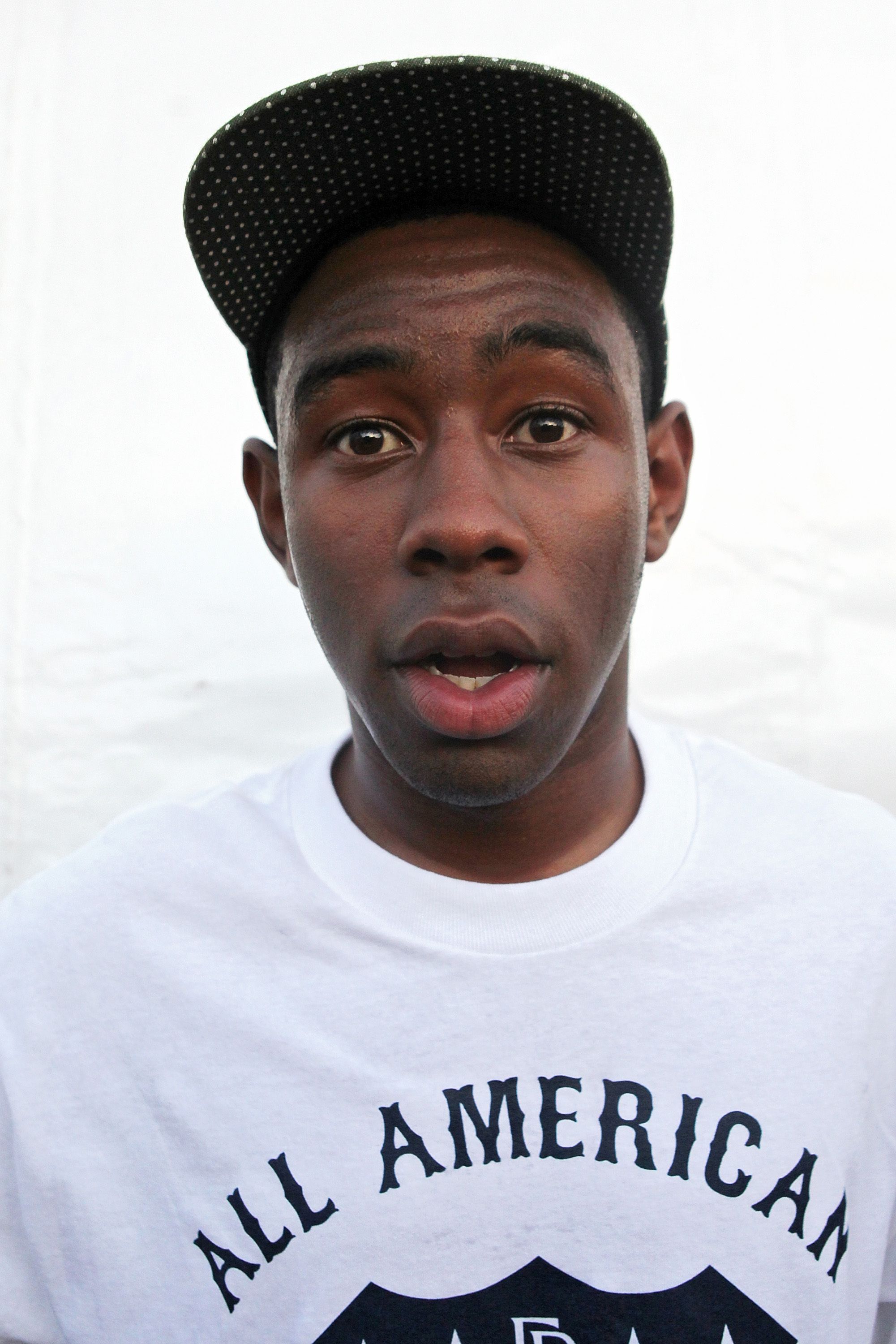
Before the pastel cardigans and the Grammy-winning jazz-fusion records, there was a kid in Hawthorne, California, who was basically a walking tornado of creative energy. You might know him now as the refined "Sir Baudelaire," but if you were on the internet in 2010, young Tyler the Creator was something else entirely. He was a menace. He was a visionary. Mostly, he was just a teenager with a MacBook and a very loud opinion about why everyone else’s music sucked.
It's weird looking back. Learn more on a related subject: this related article.
The transition from the "Kill People, Burn Shit, Fuck School" mantra to the sophisticated arrangements of IGOR is one of the most drastic evolutions in music history. But to understand the artist today, you have to look at the kid who was banned from the UK and eating cockroaches on camera.
The Ladera Heights Misfit
Tyler Gregory Okonma didn't have a "normal" upbringing, even by LA standards. He went to 12 different schools in 12 years. Think about that for a second. Every single year, he was the new kid. That kind of instability usually does one of two things: it breaks you, or it turns you into a social chameleon who doesn't care what people think. Additional analysis by Vanity Fair highlights related perspectives on the subject.
Tyler chose the latter.
He was the kid who got kicked out of drama class for being "too hyper" and was told he couldn't join the band because he couldn't read sheet music. So, naturally, he taught himself how to play the piano at age 14. He didn't need a teacher. He had ears and a sense of rhythm that most classically trained musicians would K*ll for.
By age seven, he was already "making" albums. He’d take the covers out of CD cases and replace them with his own hand-drawn artwork, complete with fake tracklists and song runtimes. He was manifesting a career before he even knew what a DAW was.
The Birth of Odd Future
In 2007, Tyler co-founded Odd Future Wolf Gang Kill Them All (OFWGKTA). Honestly, the name alone tells you everything you need to know about their headspace. It was a collective of skaters, rappers, and designers who felt like outcasts in their own neighborhoods. While the rest of LA was leaning into the "Jerkin'" movement or traditional gangsta rap, young Tyler the Creator and his crew were obsessed with Supreme, Dr. Martens, and dark, distorted beats.
The group's headquarters? "The Trap"—which was really just Syd tha Kyd’s house. They recorded everything there.
Why Bastard Changed Everything
On Christmas Day, 2009, Tyler dropped Bastard for free on a Tumblr blog. This is the moment the "young Tyler" era officially began. It wasn't just a mixtape; it was a 55-minute therapy session with a fictional character named Dr. TC.
The sound was muddy. It was abrasive. It was heavily influenced by the dark, Neptunes-style production Tyler worshipped. He was obsessed with Pharrell Williams—specifically the era where Pharrell wasn't just a "Happy" singer but a weirdo skateboarder in a trucker hat.
But while Pharrell gave him the blueprint for being a "black skater kid," Eminem gave him the blueprint for shock value. Bastard was filled with lyrics that would be instantly canceled today. It was horrorcore, though Tyler hated that label. He was just venting about his absent father and his hatred for the "blog era" tastemakers like 2DopeBoyz who wouldn't post his music.
- Self-Production: He didn't use "Type Beats." He made his own sounds in FL Studio and Reason.
- Visual Control: He directed his own videos under the alias Wolf Haley.
- Direct-to-Fan: He used Tumblr and MySpace to talk directly to "the kids."
The Yonkers Phenomenon
If Bastard was the underground tremor, "Yonkers" was the earthquake. Released in February 2011, the music video featured a 19-year-old Tyler in a Supreme cap, sitting on a stool, playing with a cockroach before... well, you know the rest.
It was disgusting. It was captivating. Kanye West famously tweeted that it was the "video of the year."
Suddenly, young Tyler the Creator wasn't just a local LA legend; he was the face of a new youth revolution. Parents hated him. Kids loved him. He was winning "Best New Artist" at the MTV VMAs and causing literal riots at SXSW.
This era was defined by Goblin, his first major-label debut with XL Recordings. The album was chaotic. It was over an hour of internal monologues, slurs, and gritty production. Looking back, it's the rawest version of Tyler we ever got. He wasn't trying to win a Grammy yet. He was just trying to see how much he could get away with.
The Controversy and the Ban
People often forget how much real-world trouble his early lyrics caused. In 2015, Theresa May—who was the UK Home Secretary at the time—actually banned Tyler from entering the country. They cited lyrics from Bastard and Goblin as the reason, claiming his work "fosters hatred with views that seek to provoke others to terrorist acts."
Tyler felt it was racially motivated. He pointed out that he had written those lyrics as a teenager and hadn't performed some of them in years.
The Transition to Wolf
Around 2013, the "Young Tyler" persona started to shift. Wolf is widely considered the bridge between his "shock rap" years and his "musical genius" years. The production got cleaner. He started incorporating more jazz chords and live instrumentation.
He was still wearing the "Golf Wang" gear—bright colors, striped shirts, and cat prints—but the anger was being replaced by a more nuanced form of storytelling. He was exploring the death of his grandmother and the pressures of fame.
Young Tyler the Creator was growing up. He was realizing that he didn't need to scream to get people to listen.
How to Understand the Early Catalog
If you're just getting into Tyler's music because of Call Me If You Get Lost, the early stuff can be a bit of a culture shock. It's loud, often offensive, and very "2011 internet." But you can't skip it. It's where the DNA of his entire brand was formed.
Actionable Insights for Fans and Creators:
- Study the DIY ethos: Tyler didn't wait for a label. He built a world on Tumblr. If you're a creator, focus on building your own ecosystem rather than asking for permission from gatekeepers.
- Embrace the "Misfit" Brand: Tyler’s success came from the fact that he didn't fit into the "gangsta" or "conscious" rap boxes. He created a third option for kids who liked skating and weird chords.
- Contextualize the Growth: When listening to Goblin, remember it's a snapshot of a 19-year-old's brain. The "slurs" and "edginess" were tools used by a kid trying to find his voice in a world that ignored him.
- Watch the Visuals: If you want to understand his creative mind, watch the early Loiter Squad sketches and his self-directed music videos. The aesthetic for Golf Wang was born here.
Tyler Gregory Okonma isn't that angry kid anymore. He's a fashion mogul, a festival curator, and a literal "Creator" in every sense of the word. But that raw, unfiltered energy from the Hawthorne days is exactly what gave him the foundation to build an empire. Without the chaos of the early years, we wouldn't have the genius of the present.



