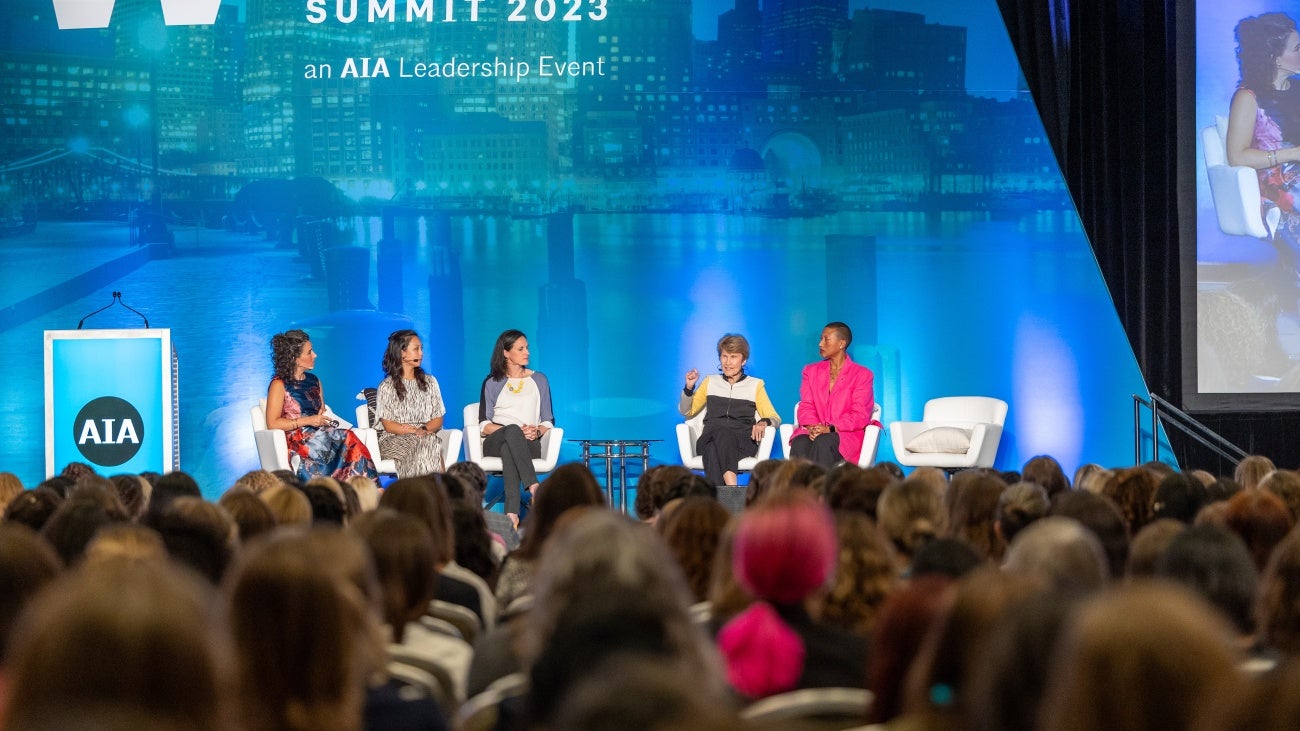
You’ve seen the photos on Instagram. Usually, it's a sea of pink blazers, lanyards, and some high-energy speaker on a stage shouting about "shattering glass ceilings." Honestly, it’s easy to be a little cynical about it. We’ve all been to those Zoom webinars that felt like a total waste of time, right? But the Young Women's Leadership Summit—specifically the massive annual gathering hosted by Turning Point USA (TPUSA)—has turned into something way bigger than just another networking event. It’s basically become a cultural touchstone for a specific generation of conservative women who feel like they’ve been sidelined by mainstream media.
Leadership is a weird word. It gets thrown around so much in corporate HR meetings that it’s almost lost its meaning. But for the thousands of high school and college-aged women who fly into places like Dallas or Orlando for these summits, it’s not about "synergy" or "leveraging assets." It’s about finding a tribe. It’s about realizing you aren't the only one in your sociology class who thinks differently.
That’s the hook.
The most recent iterations of these summits have seen a massive surge in attendance. We aren't talking about a couple hundred people in a hotel basement. We are talking about 2,500 to 3,000 attendees. They come to hear from people like Lara Trump, Alex Clark, or Riley Gaines. It’s loud. It’s high-production. It’s basically Coachella for young conservatives.
The Reality of the Young Women's Leadership Summit Experience
If you walk into the room during the Young Women's Leadership Summit, the first thing you notice is the energy. It’s intense. It feels less like a lecture and more like a rally. There’s a specific focus on "femininity" that you don’t really see in traditional corporate leadership conferences. They talk about faith. They talk about family. They talk about how to be a leader without necessarily buying into the "girlboss" hustle culture that was popular five years ago.
Actually, the shift away from "girlboss" culture is a huge part of why these summits are evolving. A few years ago, every women's summit was about leaning in and climbing the corporate ladder at all costs. Now? There's a massive pivot toward "traditionalism." You'll hear speakers talk about the importance of being a wife and mother just as much as they talk about being a CEO. It’s a nuance that often gets lost in the news coverage.
Who is actually on that stage?
The speaker lineups aren't random. They are calculated to hit different niches of the movement. You have the political heavyweights who focus on policy and the Constitution. Then you have the lifestyle influencers. Alex Clark, for example, has built an entire brand around "The Spillover" and "POPLITICS," focusing on "cutesy and conservative" content. She talks about everything from holistic health and the birth control pill to fashion, all while weaving in a conservative worldview.
Then you have someone like Riley Gaines. Her leadership angle is very specific: protecting women's sports. When she speaks at a Young Women's Leadership Summit, the room goes silent. She’s not just talking about politics; she’s talking about her lived experience as a swimmer at the University of Kentucky. It makes the "leadership" aspect feel tangible. It's not abstract theory. It’s "how do I stand up for what I believe in when everyone is screaming at me?"
What Most People Get Wrong About the Networking
People think networking is just swapping LinkedIn profiles. That’s boring. At these summits, the networking happens in the "Activation Row." This is where brands and organizations set up booths. But instead of just handing out pens, they’re doing live podcast recordings and professional headshot stations.
The real "leadership" happens in the hotel lobbies at 11:00 PM. You have girls from a small town in Idaho meeting girls from New York City. They realize they’re facing the same social pressures. That connection is what keeps people coming back. It’s the "you’re not alone" factor. Honestly, in a world where everyone is increasingly isolated behind a screen, the physical act of being in a room with 3,000 people who share your values is a powerful drug.
The Controversy and the Criticism
We have to talk about the elephant in the room. These summits are lightning rods for criticism. Critics argue that the Young Women's Leadership Summit promotes a narrow view of womanhood or that it’s too focused on partisan politics rather than "actual" leadership skills.
Some people find the aesthetic—the flower walls, the pink lights, the glitter—to be "regressive." They argue it reinforces stereotypes. But if you ask the attendees, they’ll tell you the exact opposite. They see it as reclaiming femininity. They argue that you can be "girly" and still be a fierce political advocate. It’s a clash of worldviews that doesn’t have an easy resolution.
There's also the question of accessibility. These events aren't free. Between the ticket price, the flight, and the hotel, a student could easily drop $800 to $1,200. TPUSA and other orgs often provide scholarships, but the "elitism" critique is one that pops up every year. Is it a leadership summit for everyone, or just those who can afford the "aesthetic" lifestyle?
Beyond the Speeches: Hard Skills vs. Soft Skills
One thing these events do well is the breakout session. It’s not all just big speeches. There are smaller rooms where you actually learn how to do things.
- Public Speaking: Not the "um, like" kind. They bring in pros to teach girls how to project their voice and handle a hostile Q&A.
- Social Media Branding: This is huge. They teach how to use the algorithm, how to edit reels, and how to build a personal brand that can survive a "cancellation."
- Policy Deep Dives: Sometimes it’s a 45-minute breakdown of economic policy or the Second Amendment.
It’s a mix. One hour you’re learning about the importance of wearing the right colors for television, and the next you’re discussing the nuances of Supreme Court rulings. It’s that weird, wild mix that defines the modern conservative women’s movement.
Why 2026 is a Turning Point for These Events
We are seeing a shift in the demographic. It’s getting younger. High schoolers are now a massive chunk of the Young Women's Leadership Summit audience. Why? Because the "culture war" has moved into the K-12 space. These girls are dealing with debates over pronouns, locker rooms, and curriculum every single day. They aren't waiting until college to "get political."
Leadership for a 16-year-old in 2026 looks like starting a club at her high school despite pushback from the administration. The summit provides the "playbook" for that. They give them the legal resources and the confidence to say, "I have a right to be here."
The "Influencer" Pipeline
Let's be real: many girls go to these events because they want to be the next big conservative influencer. There’s a clear pipeline now. You go to the summit, you take great photos, you tag the speakers, you get a few reposts, and suddenly you have 5,000 followers.
Is that leadership? Maybe. In the digital age, influence is a form of leadership. Whether it’s "good" or "bad" depends on who you ask, but you can’t deny the effectiveness of the model. These summits are essentially talent scouts for the next generation of media personalities.
Surprising Details You Won't See in the News
You’d think it’s all 24/7 politics, but it’s surprisingly personal. There are often sessions on "mental health from a non-woke perspective." They talk about the anxiety of social media. They talk about faith and prayer.
There’s also a lot of talk about "homesteading" and "trad-wife" lifestyles lately. It’s a weird crossover between political activism and wanting to bake sourdough bread. This "return to roots" movement is huge right now among young conservative women. They’re rejecting the 9-to-5 corporate grind in favor of something they see as more "authentic."
Actionable Steps for Aspiring Leaders
If you’re looking to get into this space or attend a Young Women's Leadership Summit, don't just go for the selfies. You have to have a plan.
First, identify your niche. You can’t be an expert on everything. Are you the "policy girl"? The "fitness and health girl"? The "campus activist"? Pick a lane and master it. The summit is where you find mentors in that specific lane.
Second, do the "boring" networking. Everyone wants to talk to the keynote speaker. You won't get more than ten seconds with them. Instead, talk to the staffers. Talk to the people running the booths. They are the ones who actually know where the jobs and internships are.
Third, follow up. This is where 99% of people fail. You get a business card, you put it in your bag, and you never look at it again. Send an email 48 hours later. Mention something specific you talked about. It sounds basic, but "basic" is what works.
Fourth, bring the knowledge back. A summit is a bubble. The real test of leadership is what you do when you get back to your campus or your job. If you don't change your actions, the summit was just an expensive vacation.
The Bottom Line
The Young Women's Leadership Summit isn't just a conference. It’s a subculture. It’s a reaction to a world that many young women feel has moved too far in one direction. Whether you agree with the politics or not, the organizational power on display is objective. They are training a generation of women to be unapologetic, articulate, and highly organized.
That’s a force to be reckoned with in any political cycle. The speakers will change, the locations will move from state to state, and the "aesthetic" might shift from pink to something else, but the core drive—the desire for community and a platform—isn't going anywhere.
If you're planning to attend, go with an open mind but a critical eye. Learn the skills, grab the resources, but remember that leadership starts the moment you leave the ballroom and head home. The real work is always in the "after." Focus on building something that lasts longer than a three-day weekend in the sun.



