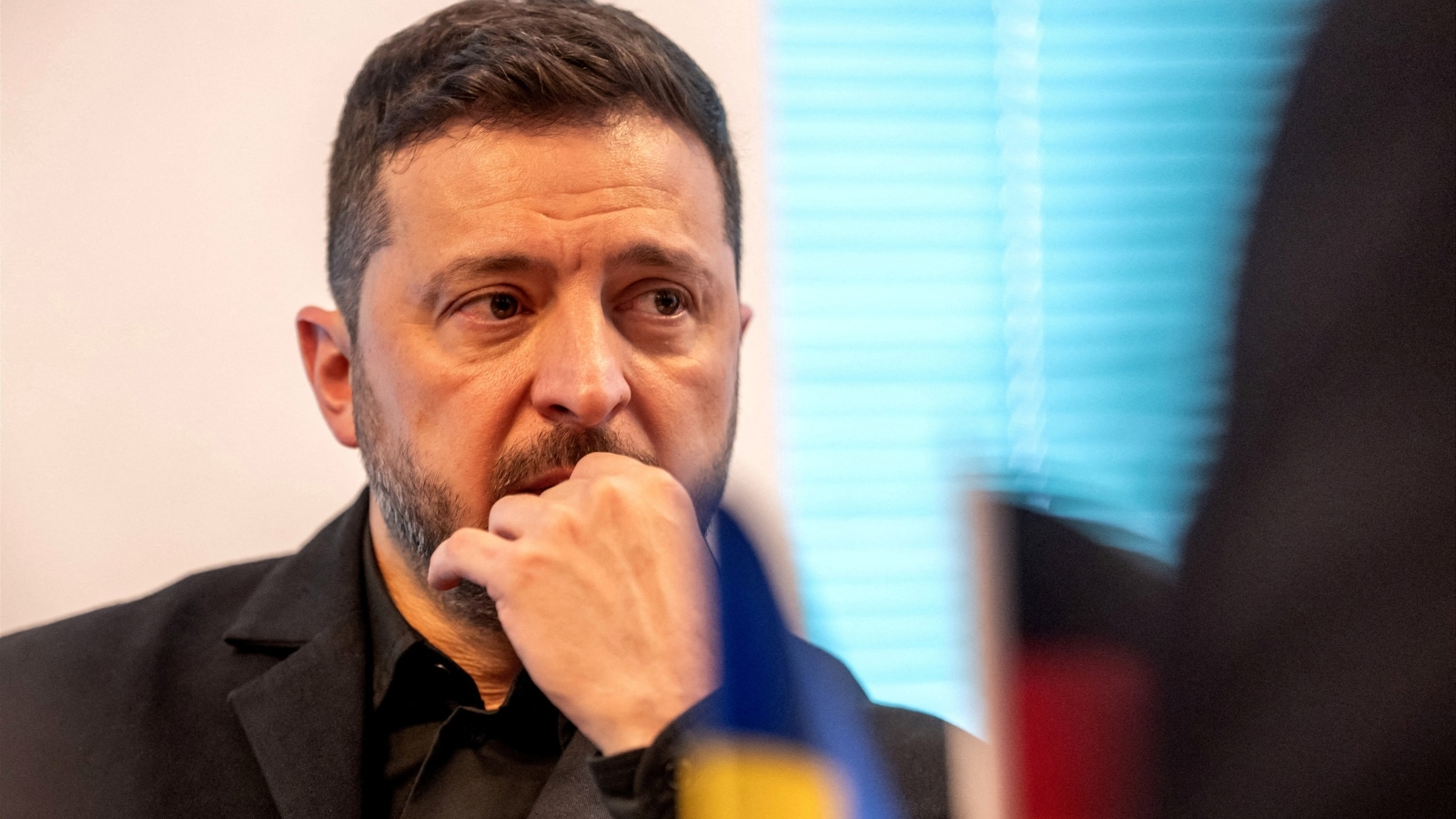
When political leaders start cutting energy deals to soothe domestic fuel prices, the broader geopolitical strategy usually ends up on the chopping block. Ukrainian President Volodymyr Zelenskyy didn't mince words when addressing the arrangement allowing Russian diesel back onto global markets. He called it what it is: a short-sighted move that funnels cash straight back into Vladimir Putin's war chest.
If you look past the immediate headlines about easing inflationary pressures at the pump, a much darker reality emerges. Concessions handed over without a concrete de-escalation framework do not buy peace. They buy time for a battered regime to regroup.
The Slippery Slope of Energy Exemptions
Let's break down what's actually happening. U.S. and global markets have faced persistent price volatility, and leaders are constantly searching for quick fixes. When an agreement surfaced allowing Russian-origin diesel fuel to circulate, it was framed as a practical measure to cool down commodities. But Zelenskyy pointed out the obvious flaw during his address in Brussels: this diesel deal isn't an isolated incident. It sets a dangerous precedent.
Once you carve out an exception for diesel, you open the floodgates. Gas agreements follow close behind. After gas, pressure builds to lift restrictions on financial institutions, chemical industries, and individual oligarchs. It dismantles the scaffolding of international sanctions brick by brick.
Russia's military machine operates on cash flow derived directly from energy exports. Even with heavy restrictions, Moscow has adapted by relying on shadow fleets and alternative buyers. But make no mistake: every time a major Western nation eases constraints without extracting a reciprocal concession on the battlefield, Russia interprets it as weakness.
Why Putin Is Banking on Relief
Right now, the narrative coming out of Kyiv is grounded in a stark assessment of battlefield realities. Russia is facing severe structural constraints, and its military progress has slowed immensely compared to earlier phases of the conflict. Putin relies heavily on terror tactics—striking civilian infrastructure and energy grids—precisely because traditional military gains are faltering.
When sanctions are relaxed to manage global fuel costs, Moscow views it as an opening to outlast Western resolve. Zelenskyy noted bluntly that Russia will simply repay any diesel concession with further terror and perfidy. Gifts and unilateral pressure relief do not incentivize negotiation. They incentivize escalation.
Look at how international markets react. When tough measures like the targeting of major Russian entities take effect, discounts on Russian crude widen and revenues dip. The system works when enforcement is absolute. Conversely, mixed signals from Washington or European capitals give traders, insurers, and intermediaries the green light to skirt compliance.
The Broader Fallout for Western Strategy
The friction between immediate economic relief and long-term security objectives exposes a deep fracture in Western policy. Lowering fuel prices might score short-term political points domestically, but it undercuts the very sanctions architecture designed to end the war sustainably.
Zelenskyy’s warning serves as a reality check for allies who assume compartmentalized deals won't impact the wider conflict. If the West allows carved-out exceptions for petroleum products, the entire sanctions regime risks collapsing under the weight of exceptions. Consistency remains the only language Moscow respects.
Zelenskyy Warns 'Diesel Deal' Could Funnel Cash To Putin, Urges Tougher EU Sanctions On Russia |N18G
This short video clip covers Ukrainian President Volodymyr Zelenskyy's warnings regarding the diesel deal and its potential to fund Moscow's military efforts.