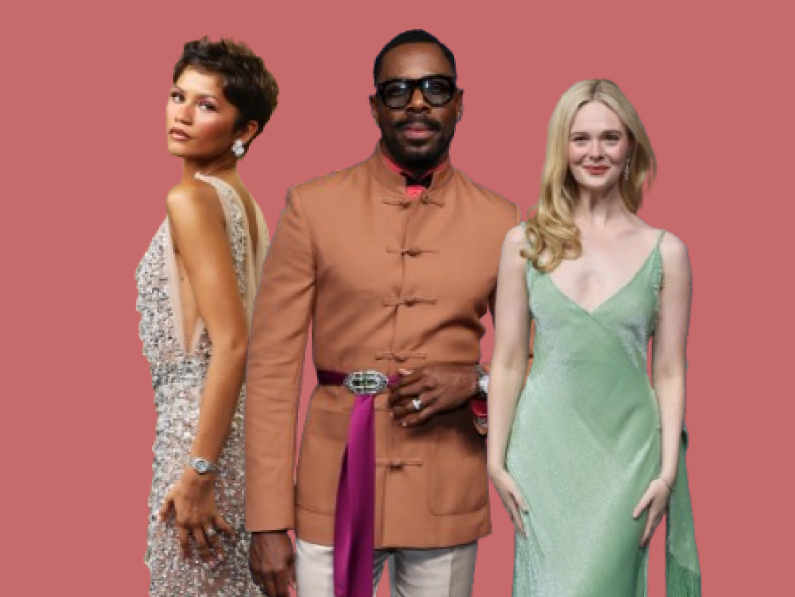
Awards show fashion often falls into a predictable trap. Safe pastels, identical mermaid silhouettes, and boring styling choices dominate year after year. Nobody wants to take a risk when the fashion police are lurking online. But television's biggest night broke the mold. The 2026 Emmys red carpet proved that risk-taking is back, and boring is officially dead.
Stars and their stylists leaned into texture, architectural volume, and unexpected fabrics instead of defaulting to tired red carpet formulas. You could feel the shift immediately. Attendees weren't just wearing clothes; they were making deliberate statements about personal taste and cultural momentum. The 2026 Emmys red carpet showed a willingness to experiment that we haven't seen in years. Let's look at how the biggest names pulled it off and why this night changes the rules of celebrity style. For a closer look into this area, we recommend: this related article.
The Standout Moments That Defined the Night
Certain looks commanded the room the second their wearers stepped out of the car. Take Ayo Edebiri, who made a triumphant return to the Emmys red carpet working alongside stylist Danielle Goldberg. Instead of playing it safe with a standard column dress, she arrived in a two-tone Chanel gown that operated on pure visual tension. Icy blue ruffles cascaded down the front while fiery orange draping and oversized bows created massive drama from behind. It was playful, bold, and entirely unforgettable.
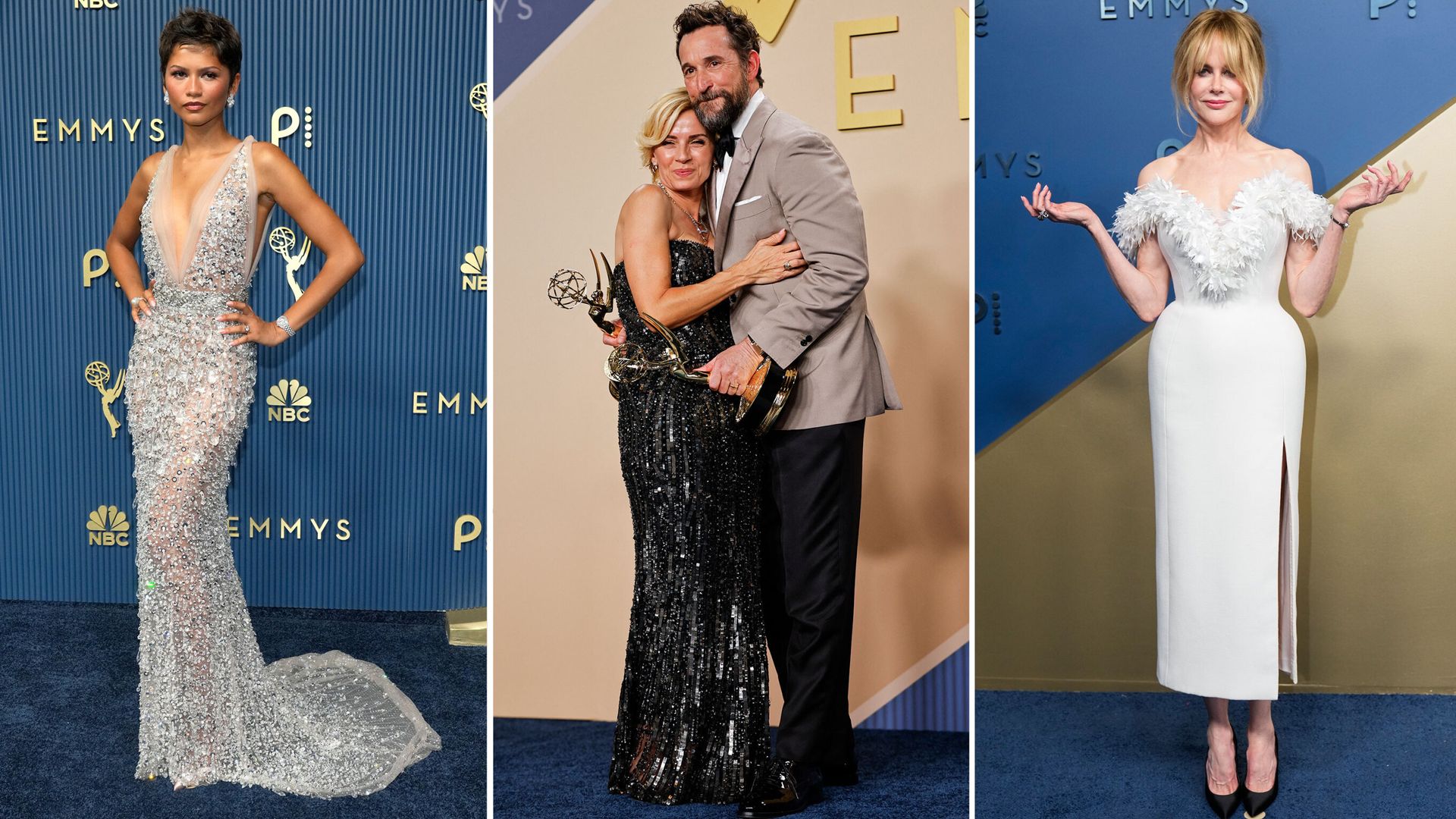
Then there was Zendaya, styled by Law Roach, stepping out in a custom crystal-embellished Prada dress that caught every single flashbulb on the blue carpet. The naked dress trend has evolved past mere shock value into actual artistry, and this appearance set a masterclass standard for how to execute transparency with texture. For further background on this topic, detailed coverage can also be found on Wall Street Journal.
Keri Russell took a radically different route for her ninth Emmys appearance. Working with a custom black Khaite gown cut entirely from leather, she bypassed traditional silk and tulle. The dress featured a high scarf-like neckline and an open back held together by a single silver buckle at the waist. It was tough, minimalist, and deeply chic. It proved that maturity on the red carpet doesn't mean hiding behind conservative drapes.
Nicole Kidman also mastered the art of playful disruption, opting for a custom Chanel creation that incorporated gorgeous feather details. Feathers can easily veer into cheesy territory, but in Kidman's hands, paired with Christian Louboutin shoes and an Omega watch, the execution felt light, breezy, and entirely high-fashion.
Claire Danes went down a more sculptural path, donning a one-arm Giorgio Armani Privé gown styled by Petra Flannery. The architectural precision of the dress proved that quiet elegance still packs a wallop when the cut is immaculate.
Tailoring and Structural Mastery in Menswear
Menswear on the red carpet has historically been an afterthought. Black tuxedo, white shirt, boring bow tie. Thankfully, those days are long gone. The 2026 Emmys saw men treating tailoring as a playground rather than a uniform.
Oscar Isaac delivered one of the standout menswear moments of the evening in a white double-breasted suit jacket complete with a matching cummerbund from Celine. Styled by Matthew Henson, it struck the exact right balance between vintage lounge lizard and modern luxury.
Colman Domingo continued his reign as a red carpet icon in custom Valentino. Domingo doesn't just wear clothes; he inhabits them. His choice of silhouette pushed boundaries without slipping into costume territory, showing other actors how to command attention without shouting. Even Macaulay Culkin threw out the rulebook, showing up in an unbuttoned shirt and a cream suit that prioritized relaxed vibes over rigid formality. It felt fresh because it looked genuinely comfortable.
Paul Anthony Kelly arrived in a sharp Louis Vuitton suit styled by Warren Alfie Baker, proving that accessories and subtle color blocking can elevate classic tailoring into something memorable. Men are finally realizing that red carpet fashion is an opportunity to express individuality rather than a corporate dress code compliance test.
Textures and Unexpected Fabrics
Fabric choice separates a forgettable outfit from a legendary one. This year, designers played heavily with tactile surfaces that demanded a double-take.
Grace Gummer wore a strapless Christian Dior dress by Jonathan Anderson that completely threw out body-skimming expectations. Instead, it relied on generous volume, crinkled texture, and heavy floral appliqués. Styled by Nicky Campbell, Gummer paired it with a 1920s-inspired diamond choker, letting the aggressive texture of the dress do all the heavy lifting.
Fiona Dourif also leaned into tactile depth with a deep oxblood-and-black Thomas Hanisch look. The fuzzy finish of the gown added rich dimension to the sculptural draping, punctuated by blunt micro bangs and graphic eyeliner that leaned into an off-kilter, indie-sleaze aesthetic. It was a sharp reminder that red carpet style benefits immensely when stars embrace their eccentricities.
Sarah Pidgeon brought a different kind of texture magic in a lilac Chanel slip gown. Working with stylist Emma Jade Morrison, Pidgeon wore a dress where strands of pearls, crystals, and charms spilled directly from the straps like built-in jewelry. It married nineties minimalism with baroque ornamentation in a way that felt effortless rather than overcooked.
Elle Fanning added a splash of ethereal energy in a pistachio green Ralph Lauren Collection dress. The fluid silk material caught the light with every step, reminding everyone why classic Hollywood romance still holds weight when executed with modern tailoring sensibilities.
Stylist Shifts and Designer Collaborations
Behind every great red carpet moment is a powerhouse stylist who understands narrative arc. The 2026 Emmys highlighted the growing influence of styling dynasties. Wayman + Micah dressed multiple heavy hitters, including Chase Infiniti in custom Louis Vuitton and Colman Domingo in Valentino, crafting cohesive visual signatures across different bodies and aesthetics.
Louis Vuitton under Nicolas Ghesquière secured a massive footprint, dressing a powerhouse roster of talent that proved the French house's red carpet dominance isn't slowing down. Meanwhile, houses like Chanel and Prada proved that heritage brands can still feel radical when paired with the right fresh-faced talent.
Stylists aren't just picking dresses anymore; they're curating cultural conversations. When Selena Gomez stepped out in a custom gold Louis Vuitton gown styled by Erin Walsh, the internet didn't just talk about the dress—they talked about the proportion play and how it channeled classic Hollywood statuette energy without feeling dated.
Sarah Snook went the opposite direction of high-octane glamour, opting for understated custom Balenciaga by Pierpaolo Piccioli. Styled by Thomas Carter Phillips, Snook's look relied entirely on purity of line and severe tailoring. It stood out precisely because it refused to scream for attention in a room full of loud garments.
What the Awards Circuit Signals for Future Fashion
Red carpet fashion used to be about blending in with elite society rules. Now, it functions as a live-action runway where actors test out avant-garde ideas that runway fashion houses debut months prior.
The success of looks like Keri Russell's leather Khaite gown or Ayo Edebiri's dual-palette Chanel masterpiece signals a broader consumer appetite for personal expression over safe conformity. People are tired of algorithms dictating what beauty looks like. When celebrities embrace edge, texture, and architectural rebellion, it trickles down into how everyday fashion enthusiasts approach their own closets.
If the 2026 Emmys red carpet taught us anything, it's that safety is the ultimate fashion crime. The actors who won best-dressed lists weren't the ones who hid behind conventional tailoring or invisible pastels. They were the ones who took a gamble, trusted their styling team, and owned every single flashbulb on the blue carpet. Keep that energy next time you build an outfit for your own life, because blending in is vastly overrated.