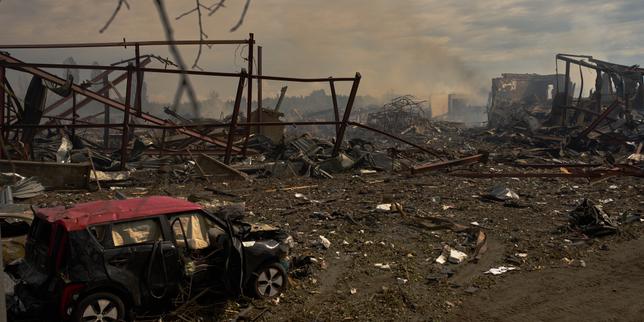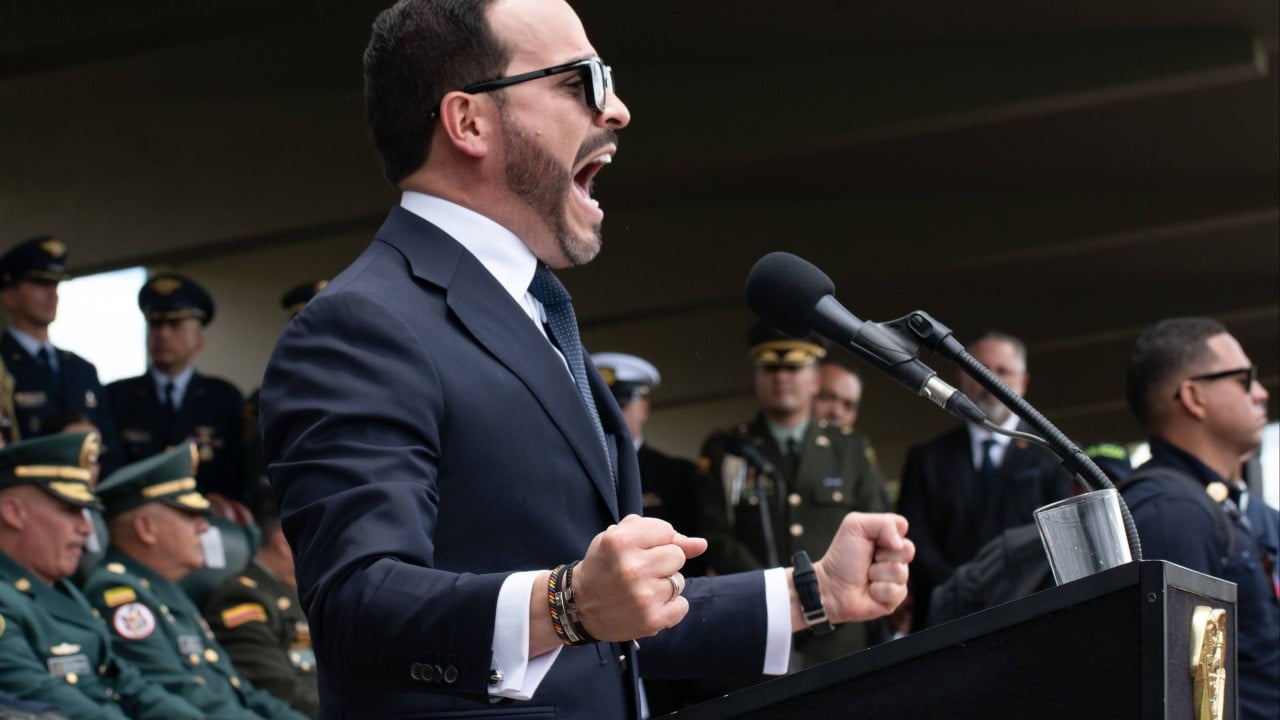
Colombian security forces just delivered a heavy strike against illegal armed networks. President Abelardo de la Espriella announced that a military operation in a volatile region resulted in the death of a high-ranking rebel commander.
If you've been following Colombian politics, you know this shift in military posture isn't an accident. It's a direct execution of a hardline security doctrine. The newly inaugurated administration is wasting zero time moving away from past negotiation strategies.
The High-Stakes Operation in the Southwest
The targeted commander, widely known by the aliases "Felipe" or "Arcadio," operated within dissident factions of the defunct Revolutionary Armed Forces of Colombia (FARC). These splinter groups have long terrorized rural communities through extortion, roadside explosives, and drone attacks.
President de la Espriella labeled the elimination of this key figure a crushing blow to the broader faction commanded by the notorious leader known as "Iván Mordisco". Authorities released footage showcasing seized weaponry, ammunition, and tactical gear recovered at the site.
Turning the Page on Total Peace
The shift under the current administration is stark. Past policies favored prolonged dialogue and localized ceasefires. De la Espriella campaigned heavily on abandoning what he characterized as a failed leniency approach, promising instead to dismantle criminal groups through direct kinetic force.
Critics argue that abandoning peace talks risks escalating rural conflict. Supporters counter that decades of dialogue produced little more than restructured criminal enterprises expanding their drug trafficking routes. This recent military engagement signals that the government intends to back its rhetoric with hard operational metrics.
When you look at the broader geopolitical landscape in South America, security policies are hardening rapidly. Leaders are finding that voters expect immediate, visible results against armed syndicates.
Expect more targeted high-value operations in coming months as military commanders execute orders to pressure dissident strongholds in remote departments like Guaviare and the southwest corridors. The administration's mandate relies entirely on its ability to pacify these contested zones. Whether this heavy-handed approach breaks the cycle of violence or simply drives underground groups to adapt remains the central question for Colombia's immediate future.