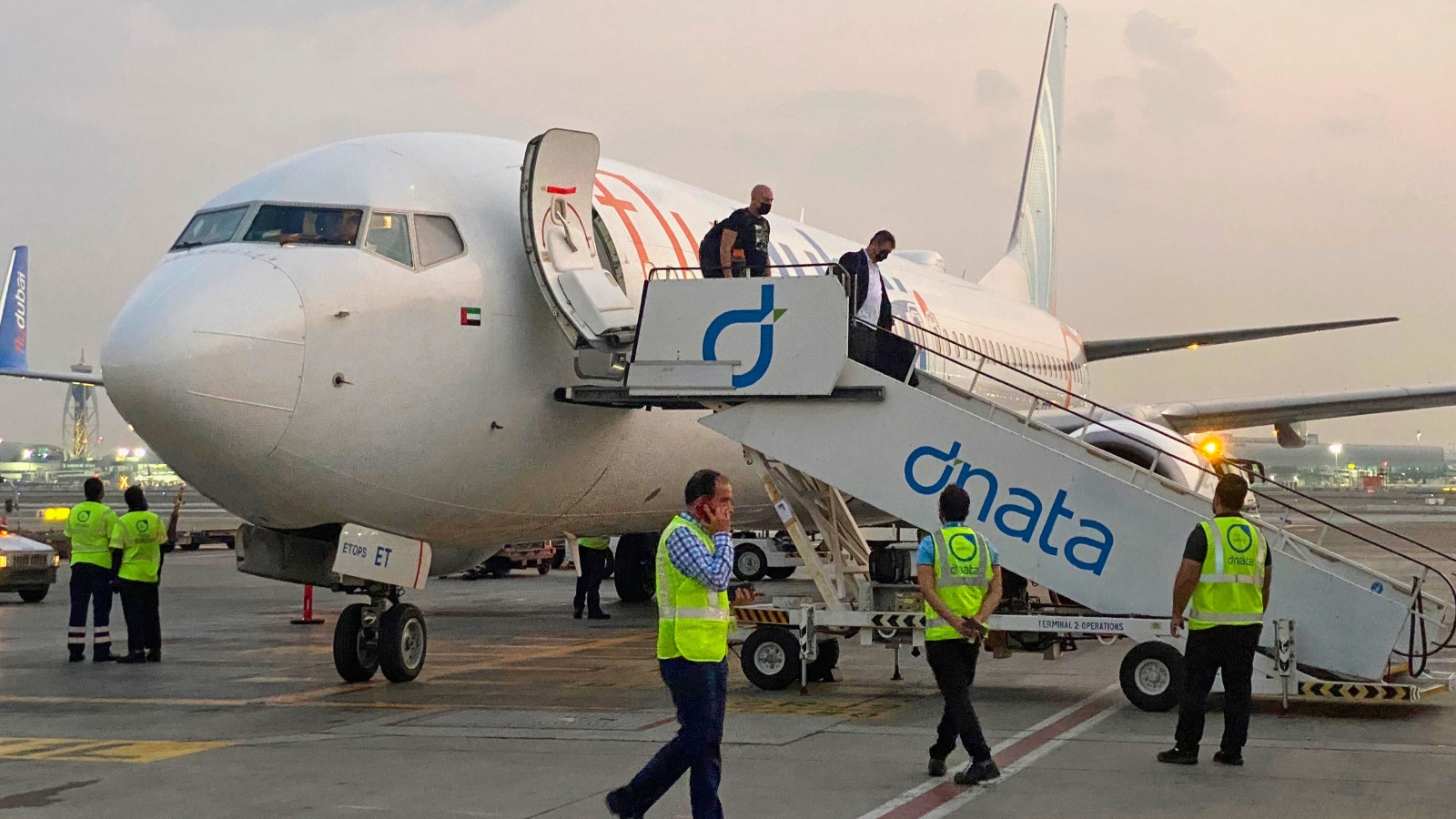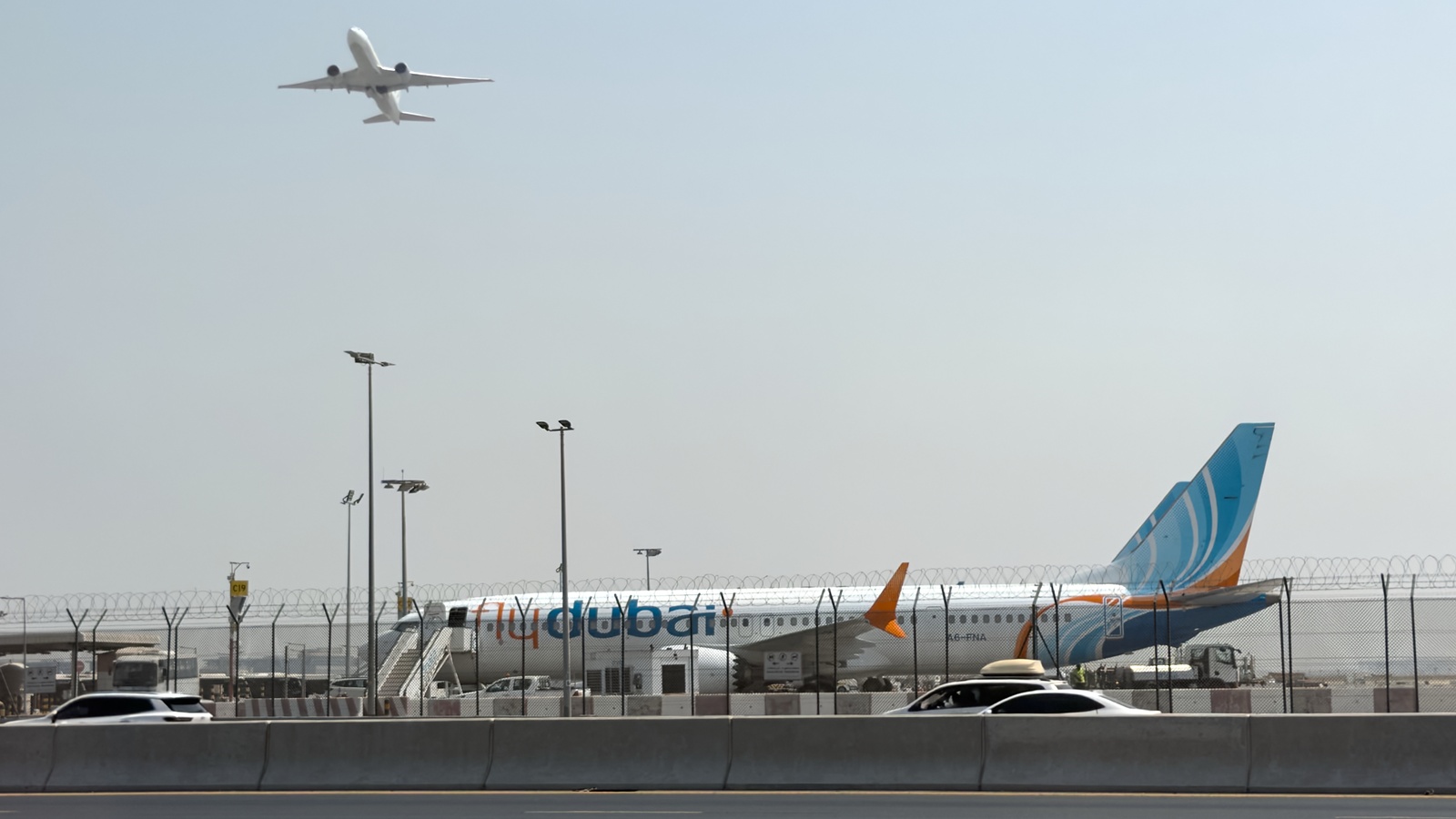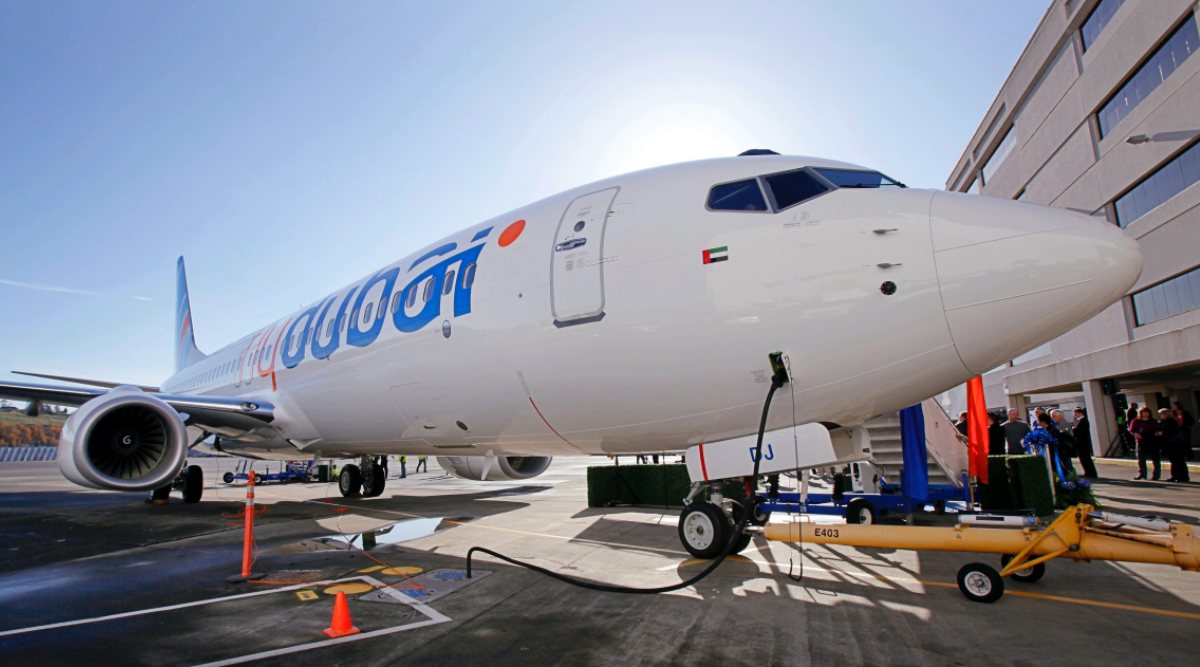
Commercial aviation operates on a terrifying premise of absolute trust placed in two individuals locked behind a reinforced door. On September 30, 2026, that trust shattered at thirty-four thousand feet over the Saudi-Jordanian border. Flydubai Flight 1073, travelling from Dubai International Airport to Ben Gurion Airport near Tel Aviv, became the center of a horrific cockpit assault when the first officer allegedly attacked the captain with a crash axe, triggering a rapid, uncontrolled dive, squawk emergency transmissions, and an emergency diversion to Tabuk, Saudi Arabia. Initial reports that superficially labeled the event as a generic technical emergency or a simple pilot dispute quickly gave way to a chilling reality. This was an attempted suicide and mass-casualty attack that exposed systemic vulnerabilities in modern cockpit security protocols across international carriers operating in volatile geopolitical corridors.
To understand how a Boeing 737 MAX 8 carrying nearly one hundred and eighty souls came within seconds of catastrophe, one must examine the mechanics of modern flight deck access. Following the security overhauls implemented after past aviation tragedies, cockpit doors were engineered to withstand small arms fire and forced entry from the passenger cabin. Yet, the industry built a fortress facing outward while ignoring the threat originating from within. The barrier designed to keep hijackers out also locks out external rescue when the threat wears epaulets and sits in the right-hand seat.
The Anatomy of a Midair Breach
Flight telemetry and subsequent investigative findings revealed a harrowing sequence of events. First officer Hamam al-Hammami allegedly struck Captain Smit Machchhar with the flight deck crash axe, inflicting severe head injuries. As the captain collapsed, the aircraft entered a terrifying steep descent, dropping from thirty-four thousand feet toward seventeen thousand feet in less than sixty seconds. The violent overspeed caused structural damage, tearing away a significant portion of the aircraft's rudder.
In the cabin, panic erupted. Passengers heard the commotion and screams echoing through the forward galley. Through sheer grit and desperate survival instinct, the injured captain managed to unlock or keep the door accessible, allowing passengers and crew members to rush the cockpit. Travelers including Tali Mans, Yaniv Hayun, and Zvika Mans overpowered the first officer, restraining him with headphone cables and makeshift ties. Two deadheading Flydubai pilots travelling as passengers stepped forward, squeezed into the blood-smeared flight deck, took control of the battered aircraft, and successfully navigated a diversion into Tabuk Airport in northwestern Saudi Arabia.
Geopolitical Realities in Shared Airspace
The geopolitical implications of the flight's final destination were immediate. Saudi Arabia and Israel maintain no formal diplomatic relations, though regional airspace integration has expanded significantly in recent years following the Abraham Accords and shifting regional dynamics. When Flight 1073 broadcast squawk code 7700 for a general emergency followed by code 7500 for unlawful interference, regional air traffic controllers faced an unprecedented diplomatic and logistical puzzle.
The Israeli Air Force scrambled fighter jets as the aircraft approached national airspace, operating under defensive protocols that contemplate intercepting rogue aircraft. As the plane reversed course back over Saudi territory toward Tabuk, those fighter jets were recalled. Saudi authorities handled the emergency landing with professional compliance, taking the assailant into custody while medical personnel rushed to save the critically wounded captain. Yet, the aftermath has paralyzed a vital aviation route. In the weeks following the incident, Flydubai extended the suspension of its direct flights to Tel Aviv through mid-December. Compounding the suspension, Israeli carriers such as El Al and Arkia remain locked out of UAE routes due to unresolved security disputes and heightened threat assessments.
Vulnerabilities in Commercial Aviation Security
Investigative disclosures from international law enforcement agencies painted an even darker picture of the perpetrator's background. Reports surfaced detailing digital footprints pointing toward extremist sympathies, raising intense scrutiny regarding how an individual harboring such ideologies passed background checks and psychological screenings required for commercial airline employment. Aviation authorities across the Middle East face difficult questions regarding recruitment pipelines, psychological monitoring of flight crews, and the cross-border vetting of personnel holding passports from third-party nations operating within regional airlines.
Commercial airlines operate under intense cost pressures, often outsourcing or accelerating pilot training and vetting processes to meet soaring regional travel demands. When an insider threat materializes, it bypasses the multi-layered perimeter security erected at airport terminals. Metal detectors, baggage scans, and passport controls are entirely useless when the weapon is an authorized crash axe stored safely inside the cockpit bulkhead and the attacker sits at the controls.
Legal Reckoning and Accountability
Passenger fallout has been swift and unforgiving. Survivors of Flight 1073 and their families have initiated legal actions, organizing class-action lawsuits against Flydubai, aviation authorities, and government bodies in both Israel and the United Arab Emirates. The core argument rests on alleged systemic security failures. Plaintiffs assert that warning signs regarding crew vetting were missed, and that standard operating procedures failed to safeguard passengers against an insider threat.
The Israeli Defense Ministry subsequently recognized the passengers as victims of a hostile act, opening pathways for state-backed compensation and support services, but financial restitution does little to soothe the psychological trauma etched into survivors. Families are demanding transparent disclosures regarding how intelligence agencies share threat intelligence across borders, and whether commercial interests took precedence over rigorous security audits.
The Flawed Architecture of Human Redundancy
The aviation industry relies heavily on redundancy. Twin engines, duplicate hydraulic systems, and multiple flight management computers ensure that mechanical failures rarely lead to disaster. But human redundancy inside the flight deck remains fundamentally flawed. Two pilots sharing a confined space for hours at a time represent a single point of catastrophic failure if one turns hostile.
Proposals to mandate three-person cockpit crews on long-haul routes or require constant cabin crew presence during pilot bathroom breaks have circulated for years, resisted by airlines citing severe economic costs and staffing shortages. Incidents like the Flight 1073 crisis strip away the commercial excuses, proving that human threat mitigation lags far behind technological advancements. As delegations from transportation ministries travel between Dubai and Tel Aviv to negotiate the eventual restoration of flights, the shadow of September 30 lingers over every boarding gate. Passengers stepping onto a commercial airliner continue to trade their safety for speed, trusting an invisible web of background checks, door locks, and professional ethics. That web nearly tore completely apart over the Arabian desert, reminding the world that the most dangerous variable in aviation has always walked through the secure crew entrance wearing a uniform.