Pakistan is currently trapped in a high-stakes financial pivot, attempting to swap centuries-old interest-based borrowing for Shariah-compliant Sukuk bonds to keep its economy from flatlining. This isn't just about religious preference; it is a desperate survival tactic as conventional lenders pull back and the domestic debt clock ticks toward 79 trillion rupees. By the first half of the 2026 fiscal year, Islamic certificates accounted for 14% of the government’s total debt portfolio, a sharp climb driven by a constitutional mandate to eliminate riba (interest) and a dire need to tap into the liquid reserves of Islamic banks.
The Architecture of a Sovereign Workaround
To understand why Islamabad is obsessed with Sukuk, you have to look at the mechanics of the deal. Unlike a traditional bond, which is essentially an IOU backed by a promise to pay interest, a Sukuk represents partial ownership of a tangible asset. The government isn't technically "borrowing" money in the eyes of Islamic law; it is selling a stake in a highway, an airport, or a power plant, then paying "rent" to the investors who bought that stake.
In a recent March 2026 auction, the State Bank of Pakistan raised approximately 118 billion rupees ($425,000 in specific tranches) through Ijarah Sukuk. The government offered rental rates of roughly 11.49% for one-year paper. For a nation shut out of many international markets, this domestic "rental" system is the only faucet still running at full blast.
Why the UAE Exit Changed Everything
The urgency behind this Islamic finance push reached a fever pitch this month. For the first time in seven years, the United Arab Emirates refused to roll over a $3.5 billion debt facility. This sent shockwaves through the Finance Ministry. When a long-standing ally stops renewing your credit, you don't just look for new friends; you look for new financial instruments.
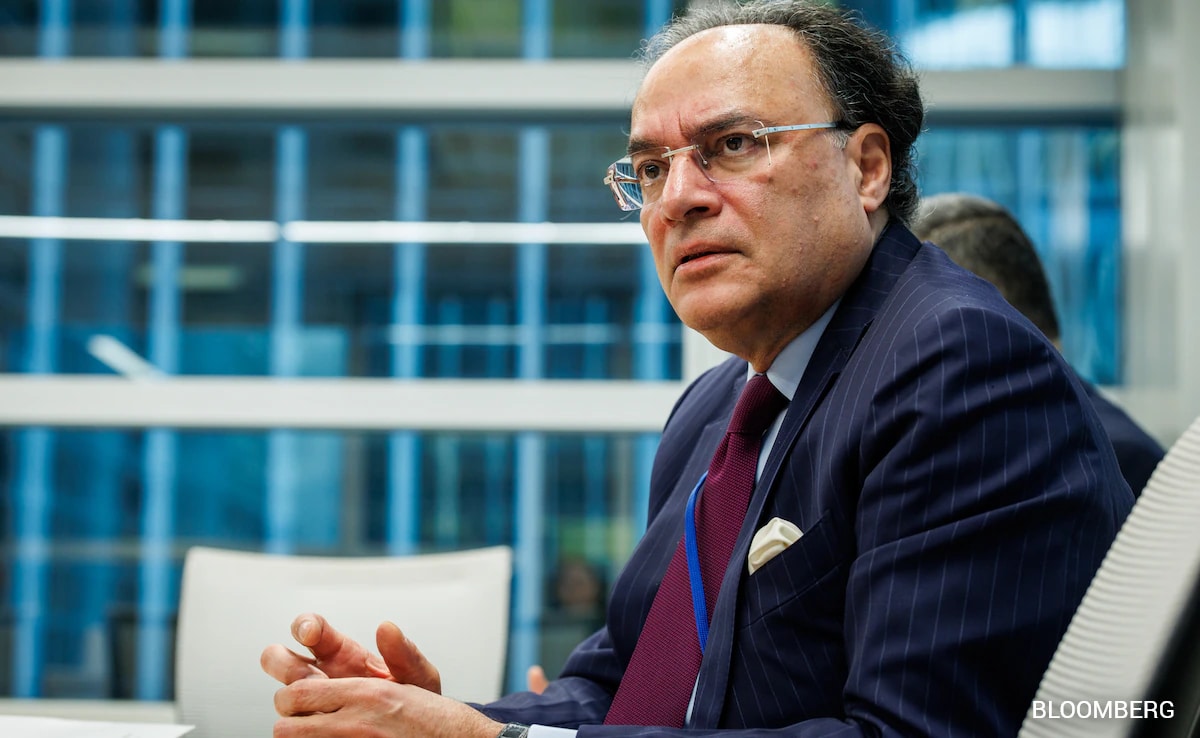
Finance Minister Muhammad Aurangzeb is now frantically balancing three plates.
- The Panda Bond: A planned $250 million issuance in yuan to woo Chinese investors.
- The Eurobond: A return to traditional Western markets, which remains risky given Pakistan's credit rating.
- The Sukuk: The reliable fallback that satisfies the 26th Constitutional Amendment, which legally binds the state to move toward an interest-free system.
The pivot to Sukuk allows the government to domesticate its debt. Instead of begging for dollars that aren't there, they are vacuuming up the excess liquidity sitting in local Islamic institutions like Meezan Bank. These banks are flush with cash because they cannot, by law, invest in traditional interest-bearing treasury bills.
The Asset Shortage Problem
There is a catch that nobody likes to discuss in the televised press briefings. Because Sukuk requires a physical asset to back the transaction, the government is running out of things to "sell."
In the past, the M-2 Motorway and various international airports were used as collateral. If the government continues to ramp up Sukuk to 20% or 30% of its debt, it will eventually have to pledge increasingly vital infrastructure. This creates a "sovereign pawn shop" dynamic. If the state defaults on a Sukuk, the legal implications for the underlying assets—like a national highway—enter a gray area that conventional bonds never have to navigate.
The Cost of Compliance
Contrary to popular belief, Islamic funding isn't necessarily cheaper. The rental rates on these instruments often mirror the prevailing policy rates set by the State Bank. In the March auction, five-year fixed-rate Sukuk were priced at 11.75%. While this is competitive, the administrative cost of setting up Special Purpose Vehicles (SPVs) to manage the assets adds a layer of complexity that traditional bonds lack.
The Illusion of Stability
While the government touts the 14% Sukuk share as a sign of "modernization," the underlying numbers are grim. Total central government debt rose to 79.32 trillion rupees by January 2026. Domestic borrowing accounts for 71% of that mountain.
The move toward Sukuk is effectively a shell game. By shifting debt from the "Interest" column to the "Rental" column, the government satisfies religious and constitutional requirements, but the repayment burden remains identical. The debt is still growing at a rate of roughly 10% year-on-year.
The Institutional Squeeze
Islamic banks in Pakistan are currently in a position of immense power. Because the government is legally obligated to phase out interest, these banks are the only players capable of absorbing the next decade's worth of sovereign paper. This gives them significant leverage over pricing. We are seeing a transition where the state is no longer the price-setter, but a price-taker in a market it helped create.
The real test comes next month. With the IMF board expected to release a $1.3 billion tranche and the first Panda bond hitting the market, the government is trying to prove it has a diversified strategy. But the heavy lifting is being done by the Sukuk. It is the bridge keeping the country from a total liquidity collapse while the Finance Ministry hunts for a more permanent solution to the $3 billion UAE hole.
The strategy is clear: pledge the assets, pay the rent, and pray the global markets reopen before the collateral runs out.
Stop looking at Sukuk as a religious milestone and start seeing it as a tactical retreat into the only corner of the financial world still willing to take a chance on Islamabad.