Disaster response models routinely fail to account for severe physical immobility, treating evacuation populations as mobile units capable of responding uniformly to emergency alerts. When a catastrophic flood warning triggers evacuation orders, standard protocols assume compliance is bound primarily by psychological panic or information access. However, households containing severely disabled, bedridden, or medically dependent members operate under a drastically different cost function. The decision of a caregiver to remain behind with a bedridden spouse during an acute environmental hazard exposes the critical failure points of municipal early warning systems, which rarely provide specialized extraction assets for non-ambulatory citizens.
The economic and logistical framework governing this immobility reveals two competing vectors. The first vector is the external threat acceleration rate, represented by rising water levels, structural compromise, and infrastructure collapse. The second vector is the internal dependency coefficient, dictated by the absolute immobility of a patient who cannot be transported without specialized mechanical support or continuous clinical intervention. When emergency evacuation protocols lack transport modules for bedridden individuals, remaining in place ceases to be an irrational emotional choice and transforms into a calculated refusal to accept certain mortality during transit versus uncertain mortality in a fortified structure.
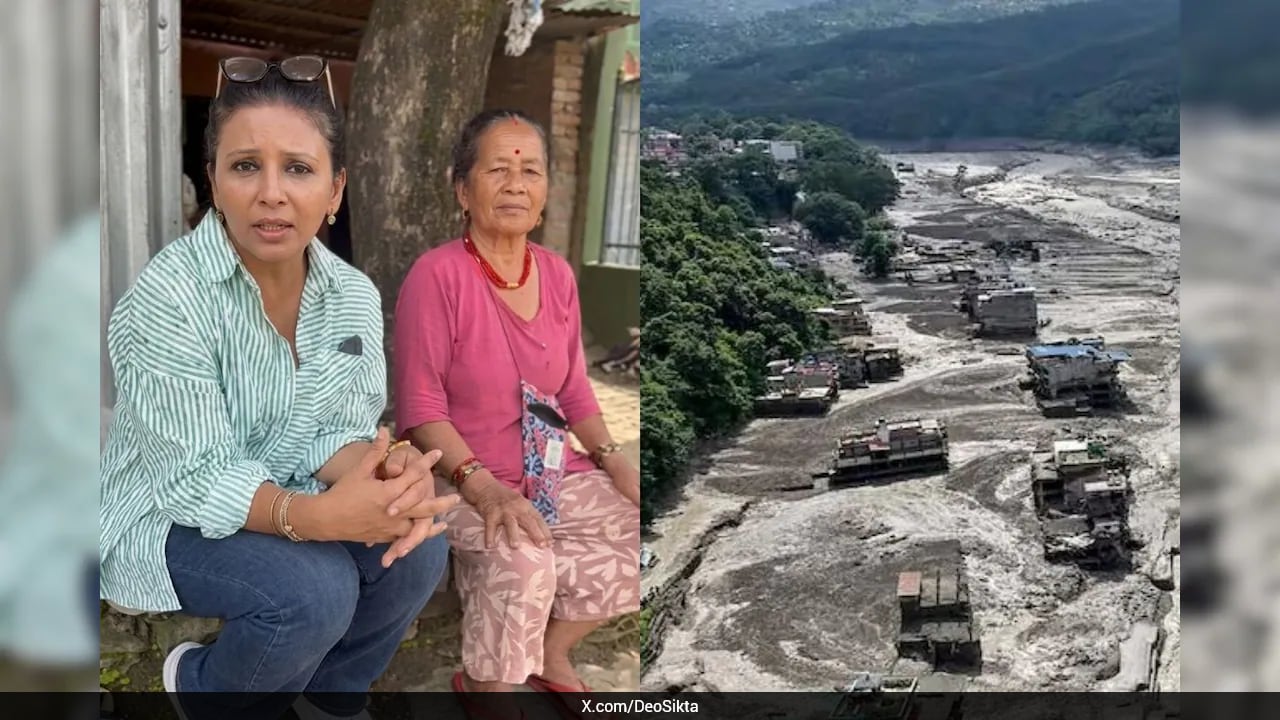
Primary data from disaster management operations in South Asian river basins indicate that rural and semi-urban households lack the localized redundancy required to relocate immobile patients within micro-windows of warning time. Standard rescue assets prioritize mass evacuation corridors, creating a structural resource gap for individual home-bound medical dependencies. A caregiver evaluating the flood alert faces a binary outcome matrix where abandoning the bedridden partner ensures immediate abandonment trauma and physical fatality due to exposure or rising water, while staying preserves the chance of vertical evacuation within multi-story dwellings, provided structural integrity holds.
Risk mitigation in these scenarios requires moving past generalized public safety broadcasts toward targeted vulnerability mapping. Emergency response architectures must maintain pre-disaster registries of bedridden and mobility-impaired residents to deploy specialized extraction units before transit routes become impassable. Until municipal disaster frameworks integrate immobile patient logistics into standard operating procedures, caregivers will continue to absorb the full cost of systemic infrastructure deficits, forced into isolation as they manage life-safety decisions alone against rising environmental threats.