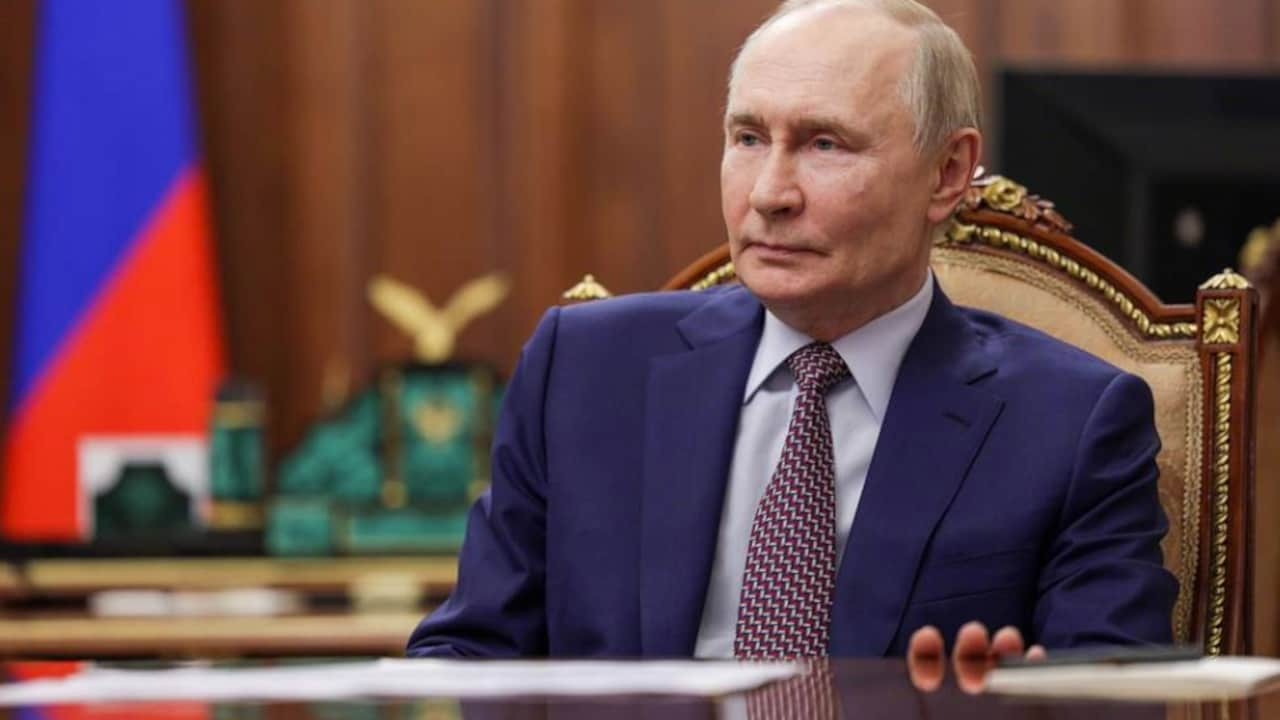
The announcement by United States Secretary of State Marco Rubio that Russian President Vladimir Putin has been extended an invitation to the Group of Twenty summit in Miami marks a structural inflection point in multilateral diplomacy. This move alters the enforcement dynamics of international isolation strategies established following the 2022 escalation in Ukraine. Deconstructing this diplomatic overture requires examining the underlying mechanics of state signaling, the cost-benefit matrix of attendance for Moscow, and the systemic ripple effects across Western alliances.
The Diplomatic Signaling Matrix
State invitations of this magnitude operate through multi-layered signaling rather than simple protocol exchange. By inviting the head of the Russian state to US soil, Washington recalibrates its diplomatic posture from enforced exclusion to conditional engagement.
The primary variables driving this decision involve several distinct diplomatic vectors:
- Multilateral Legitimacy: Presence at a G20 leaders' summit offers a platform to project normalization, blunting the narrative of total geopolitical ostracization.
- Bilateral Channel Activation: Physical proximity creates operational space for back-channel communications regarding regional stabilization, resource corridors, and security architecture.
- Alliance Friction Management: Divergent priorities between the United States and European partners regarding sanctions enforcement and diplomatic engagement create tactical opportunities for Moscow to test allied cohesion.
The Kremlin's initial response—acknowledging the invitation through presidential spokesperson Dmitry Peskov while noting that participation specifics would be worked through diplomatic channels—reflects a deliberate calculation of domestic optics versus international leverage.
The Cost Function Of Attendance For Moscow
For Vladimir Putin, physical attendance at a summit hosted in the United States carries a complex risk-reward profile. The decision tree relies on balancing tactical gains against operational vulnerabilities.
[Invitation Issued]
       │
       ├──> Option A: Decline ──> Status Quo (Continued isolation, reinforcement of domestic siege narrative)
       │
       └──> Option B: Accept ──> Operational Exposure (Security logistics, optics of compromise)
                                        │
                                        └──> Potential Gain (Direct leverage with US leadership, breaking multilateral blockade)
- Security and Logistics: Traveling to a summit hosted by a primary geopolitical adversary introduces significant protocol hurdles and security dependencies.
- Optics and Domestic Narrative: Participation requires framing the event domestically not as a concession, but as a recognition of multipolar reality where Washington must accommodate Moscow's role in global governance.
- Alternative Formats: Historical precedent from recent virtual summits (such as the 2023 virtual G20 participation) demonstrates that digital engagement remains a viable fallback if physical presence imposes unacceptable political costs.
Allied Cohesion And Regional Fallout
The prospect of Russian participation at the Miami summit introduces friction points within the broader Western coalition. European capitals and Kyiv maintain distinct strategic interests that diverge from shifts in Washington's diplomatic cadence.
The secondary effects of this invitation manifest across three areas:
- Sanctions Architecture: Statements from European leaders, such as the UK administration's position regarding subsequent summits, highlight a disjointed approach to diplomatic normalization. While the US explores direct engagement venues, European partners often remain legally and politically bound to stricter exclusion mandates.
- Negotiation Leverage: Kiev's push for multilateral security guarantees and territorial integrity parameters faces a more volatile landscape when major powers attempt bilateral or trilateral orchestration on the sidelines of economic forums.
- Institutional Adaptation: The G20 was originally engineered for macroeconomic coordination. Transforming it into an ad-hoc venue for high-stakes territorial and security negotiations tests the structural limits of the institution, substituting economic technocracy with crisis diplomacy.
Strategic Outlook
The trajectory of this diplomatic initiative depends on whether preliminary diplomatic channels can establish concrete deliverables prior to the summit dates. If Moscow commits a high-level delegation—whether led by the head of state or senior foreign policy officials such as Sergey Lavrov—the focus will shift from the symbolism of attendance to the substantive parameters of any proposed bilateral framework. Analysts must monitor preparatory diplomatic communiques and secondary-level negotiations for indicators of whether this overture leads to structured dialogue or remains a tactical maneuver in a protracted geopolitical stalemate.
Putin Invited To G20? Rubio Reveals Trump's Shocking Move As Russia Could Return To Global Stage
This video provides contemporary broadcast coverage and political analysis concerning the official announcement of the invitation extended to Russian leadership for the Miami G20 summit.