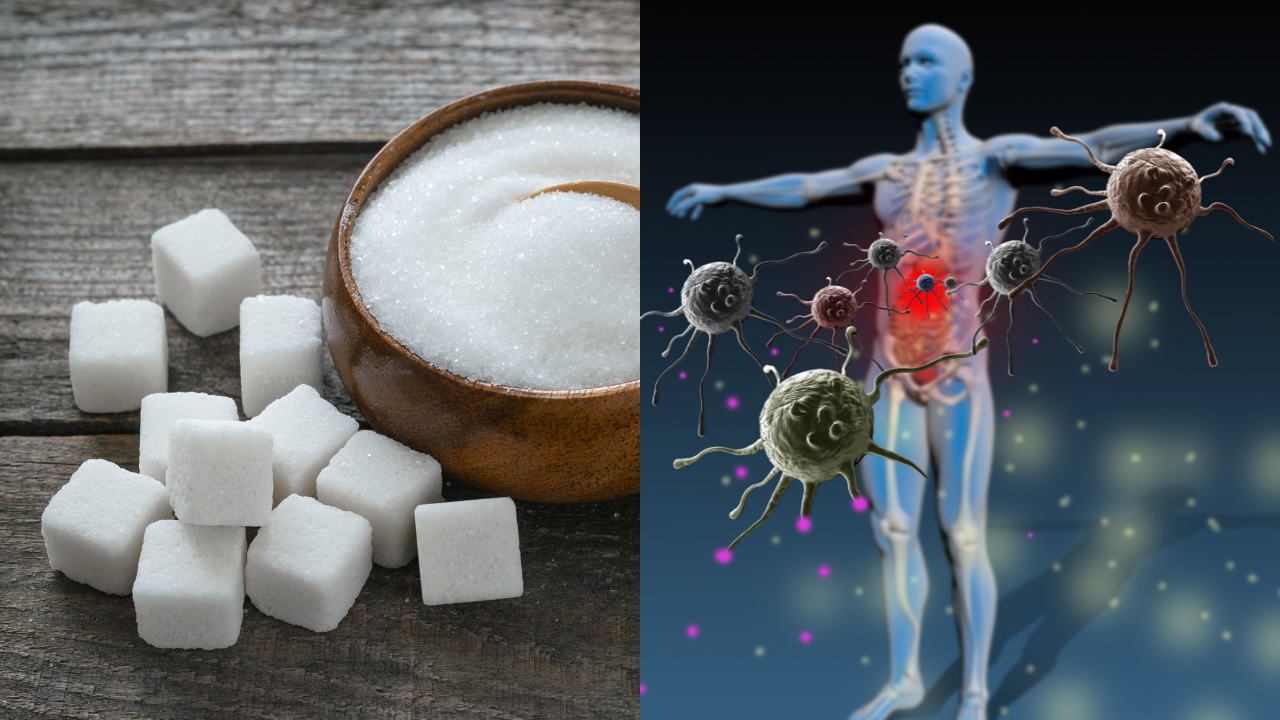
Eating high amounts of sugar while taking antibiotics accelerates the collapse of your gut microbiome and stalls your recovery. While antibiotics wipe out beneficial bacteria alongside the infection, simple sugars starve the surviving protective microbes and feed opportunistic pathogens that thrive in the empty space. The combination turns a routine prescription into an extended ecological crisis inside your digestive tract, raising your risk for chronic inflammation, metabolic disruption, and secondary infections long after you finish the pill bottle.
Most doctors hand over a prescription for amoxicillin or azithromycin with a single dietary warning. Take it with food so your stomach does not ache. Maybe eat some yogurt afterward. That clinical blind spot has persisted for decades, even as microbiome research has exploded into a multi-billion-dollar field. Patients go home, feel miserable, and reach for comfort foods. Ginger ale, saltine crackers, sweetened tea, fruit juice, ice cream. These are the universal sick-day staples, and biologically, they are the worst possible fuel to pour onto an antibiotic-treated gut.
The Double Hit Inside Your Digestive Tract
To understand why sugar and antibiotics make such a destructive pair, you have to look at the mechanics of intestinal real estate. A healthy human colon is a densely packed metropolis of trillions of bacteria, fungi, and viruses. In a normal state, beneficial commensal bacteria occupy nearly every square millimeter of the intestinal lining. They consume incoming nutrients, produce protective short-chain fatty acids, and physically block dangerous invaders from setting up camp. This defense mechanism is known as colonization resistance.
Broad-spectrum antibiotics act like a carpet bomb dropped on that metropolis. They cannot distinguish between the streptococcus bacteria causing your throat infection and the Bifidobacterium or Lactobacillus strains keeping your digestion stable. Within hours of your first dose, microbial diversity plummets. Entire species vanish from your stool samples.
This is where diet dictates the aftermath.
Beneficial gut bacteria rely heavily on complex carbohydrates—specifically fermentable dietary fibers—to survive and rebuild. Human digestive enzymes cannot break down fiber, so it travels intact to the colon, where microbes ferment it into butyrate, propionate, and acetate. Butyrate is the primary energy source for the cells lining your colon. Without it, the intestinal barrier weakens.
Simple sugars operate on completely different rules. Glucose, fructose, and sucrose are absorbed rapidly in the small intestine. When you consume a standard Western diet loaded with refined sugars, very little actual sustenance reaches the starving survivors in your colon. Worse, when massive amounts of sugar overwhelm the small intestine's absorption capacity—a common occurrence when someone drinks soda or eats candy—the excess spills into the colon.
Opportunistic pathogens love simple sugars. Bacteria like Clostridioides difficile, pathogenic Escherichia coli, and fungi like Candida albicans possess metabolic pathways built to hoard simple carbohydrates and multiply at breakneck speed. While your beneficial fiber-eating microbes are starving and crippled by antibiotics, the sugar-loving opportunists feast. They bloom into the vacant territory, lock down the real estate, and actively prevent your native microbiome from ever fully returning.
Starving the Mucus Layer
The damage goes deeper than just shifting bacterial populations. Your gut lining is protected by a thick, slippery coating of mucus that separates trillions of microbes from your actual immune cells. Think of it as a biological demilitarized zone. Certain specialized bacteria, such as Akkermansia muciniphila, live in this mucus layer and help regulate its thickness and turnover.
When you cut off complex fiber and flood the system with simple sugars during antibiotic treatment, the surviving bacteria face an energy crisis. Desperate for carbohydrates, microbes that normally ferment plant fibers switch their metabolic machinery. They begin eating the host's own protective mucus layer.
Laboratory studies using animal models have demonstrated this exact phenomenon with unsettling clarity. When mice are given antibiotics alongside a diet high in simple sugars and low in fiber, the colonic mucus layer thins dramatically. The physical barrier between gut bacteria and the intestinal wall breaks down.
Once that barrier erodes, bacterial fragments like lipopolysaccharides leak through the intestinal lining and enter the bloodstream. Your immune system spots these foreign molecules and triggers an immediate inflammatory response. In the short term, this looks like bloating, cramping, and diarrhea. Over months or years, persistent low-grade gut permeability drives systemic inflammation, insulin resistance, and heightened food sensitivities. You took a pill to clear a sinus infection, and you walked away with a compromised intestinal barrier.
The Sick-Day Comfort Food Trap
The tragedy of this biological cascade is how seamlessly it aligns with standard human behavior when sick. Nobody craves a bowl of steamed lentils and raw kale when they have a fever of 101 degrees and a pounding headache. Illness suppresses appetite and triggers cravings for fast, easily digestible energy.
For generations, healthcare providers and parents have reinforced this instinct. Clear liquids, toast, applesauce, sports drinks, and ginger ale are standard medical advice for upset stomachs. Consider what is actually inside those remedies. A single 12-ounce can of conventional ginger ale contains roughly 33 grams of sugar, mostly in the form of high-fructose corn syrup, and zero grams of fiber. Sports drinks marketed for hydration deliver rapid glucose hits designed for marathon runners, not sedentary patients sitting on a couch taking cephalosporins.
Even the classic "healthy" recovery foods often backfire. Flavored yogurts, frequently recommended by pharmacists to restore gut flora during antibiotic therapy, routinely pack 15 to 25 grams of added sugar per serving. The trace amounts of live cultures inside a commercial yogurt cup stand almost no chance of surviving stomach acid and colonizing a gut that is simultaneously being flooded with refined sucrose.
Hypothetically, consider a patient prescribed a ten-day course of clindamycin for a dental abscess. To soothe their stomach and keep energy up, they sip sweetened iced tea throughout the day, eat white toast with jam for breakfast, and have vanilla ice cream at night because their jaw hurts. By day five, the antibiotic has wiped out their native anaerobic bacteria. By day eight, the constant drip of simple sugars has fueled an overgrowth of Candida and inflammatory Proteobacteria, while the lack of fiber has forced the remaining microbes to strip the colonic mucus lining. The dental infection is gone, yet the patient spends the next six months battling chronic acid reflux, erratic bowel movements, and unexplained fatigue.
That scenario plays out thousands of times a day in clinics worldwide. Doctors rarely connect the lingering digestive fallout to the patient's diet during the ten days of treatment. They label it post-infectious irritable bowel syndrome and prescribe another pill.
What the Research Actually Shows
The scientific evidence linking diet, antibiotics, and microbiome resilience has matured rapidly over the last decade, moving far beyond basic observation into precise molecular mapping.
Researchers at institutions like Stanford University and the European Molecular Biology Laboratory have tracked how specific dietary components dictate microbiome recovery after antibiotic exposure. In controlled experiments, subjects on high-sugar, low-fiber diets showed significantly delayed microbial recovery compared to those consuming complex plant polysaccharides. In some cases, high-sugar intake during antibiotic treatment caused permanent extinctions of specific bacterial lineages—species that never reappeared even months after normal eating resumed.
Further research published in journals like Cell and Nature Microbiology has highlighted the role of fructose in particular. High dietary fructose alters the gut's metabolic environment, increasing intestinal permeability and promoting the growth of pro-inflammatory bacterial strains. When combined with antibiotic-induced dysbiosis, high fructose intake accelerates liver fat accumulation and disrupts glucose metabolism.
The counter-argument from traditional clinicians has long been that dietary changes over a short seven-to-ten-day window cannot possibly cause lasting harm. That assumption relies on an outdated view of the gut as a static organ. The microbiome is a dynamic ecosystem operating on bacterial time. A single bacterium can divide every twenty minutes. Over a seven-day course of antibiotics, bacteria go through hundreds of generations. Seven days of evolutionary pressure in a high-sugar, antibiotic-soaked environment is the ecological equivalent of centuries of selective breeding. You are actively breeding a more hostile, sugar-dependent, inflammatory gut flora in real time.
The Gray Areas and Nuances
Science rarely deals in absolutes, and nutrition research is notoriously messy. While the biochemical mechanisms showing how sugar harms an antibiotic-treated gut are solid, translating mouse studies and small human trials into rigid dietary dogma requires caution.
First, not all sugars behave identically in the body. The glucose bound inside the intact cellular matrix of a whole apple or a sweet potato does not hit your digestive tract the same way as the free liquid fructose in a glass of apple juice or a soda. Whole fruits contain soluble and insoluble fibers, polyphenols, and water that slow absorption and feed beneficial microbes in the colon. Treating a bowl of berries the same as a glazed donut is a metabolic mistake.
Second, individual baseline microbiomes vary wildly. A person who enters an antibiotic course with a diverse, resilient gut ecosystem built on years of high-fiber eating will weather a few sugary meals far better than someone whose baseline diet already consists of ultra-processed foods. Genetics, baseline stomach acid levels, prior antibiotic history, and the specific class of antibiotic all alter the outcome. Narrow-spectrum antibiotics, like penicillin V, cause far less collateral damage than broad-spectrum heavyweights like fluoroquinolones or clindamycin.
Third, when a patient is severely ill, dehydrated, or struggling to keep any food down, basic caloric intake and hydration take priority over microbiome optimization. If a frail elderly patient with pneumonia can only tolerate sweetened pudding or electrolyte drinks, starving them to protect their gut flora is clinical malpractice. Context always dictates the strategy.
How to Eat During an Antibiotic Course
For the average otherwise healthy adult taking a standard course of oral antibiotics, protecting the gut does not require an extreme, punitive diet. It requires cutting off the fuel supply to opportunistic pathogens while feeding the survivors.
Eliminate Liquid Sugars and Refined Starches
The single highest-impact move is cutting out sweetened beverages, fruit juices, sodas, pastries, candy, and white bread for the duration of the prescription and for at least two weeks afterward. Liquid sugars bypass normal satiety signals and overwhelm intestinal absorption, delivering a pure sugar rush straight to the wrong microbes. Hydrate with plain water, herbal teas, or unsweetened mineral water. If you need electrolytes due to fever or diarrhea, choose unflavored oral rehydration salts rather than neon-colored sports drinks.
Feed the Survivors with Fermentable Fibers
Your remaining beneficial bacteria need complex carbohydrates to produce butyrate and maintain the mucus barrier. Focus on gentle, well-cooked sources of prebiotic fiber that will not irritate an already sensitive stomach. Oats, cooked and cooled potatoes or rice (which form resistant starch), bananas that are still slightly green, cooked carrots, asparagus, and peeled apples are ideal. Introduce them gradually if your digestion feels sluggish, as sudden massive fiber spikes can cause gas when bacterial populations are low.
Rethink Probiotics and Fermented Foods
Many people spend fifty dollars on commercial probiotic capsules while taking antibiotics, often wasting their money. Taking a probiotic at the exact same time as an antibiotic simply kills the bacteria in the capsule. Furthermore, aggressive supplementation with single-strain commercial probiotics has been shown in some clinical trials to actually delay the return of a person's native microbiome, as the foreign strains crowd out local survivors.
If you choose to use probiotics, space them at least two to three hours apart from your antibiotic dose, and prioritize specific, well-researched strains like Saccharomyces boulardii—a beneficial yeast that antibiotics cannot kill—or Lactobacillus rhamnosus GG. Better yet, incorporate small amounts of traditional, unsweetened fermented foods like plain kefir, sauerkraut, or miso once you finish the prescription. These foods provide a diverse array of microbes alongside the organic acids that help lower gut pH and keep pathogens at bay.
Prioritize Polyphenols
Polyphenols are plant compounds that act as selective fertilizers for beneficial gut bacteria while actively inhibiting pathogens. Human cells absorb very little of them; roughly 90 percent travel straight to the colon. Green tea, unsweetened cocoa, extra virgin olive oil, blueberries, and walnuts are packed with polyphenols. Adding a drizzle of olive oil to cooked vegetables or sipping unsweetened green tea during your recovery gives your native bacteria a distinct competitive advantage.
The pharmaceutical industry spends billions developing targeted antibiotics to save lives, yet almost zero effort goes into educating patients on how to manage the collateral damage inside their own bodies. Until medical guidelines catch up to microbiome science, the responsibility falls on the patient. Put down the ginger ale, skip the comfort sweets, and starve the invaders before they take over the house.