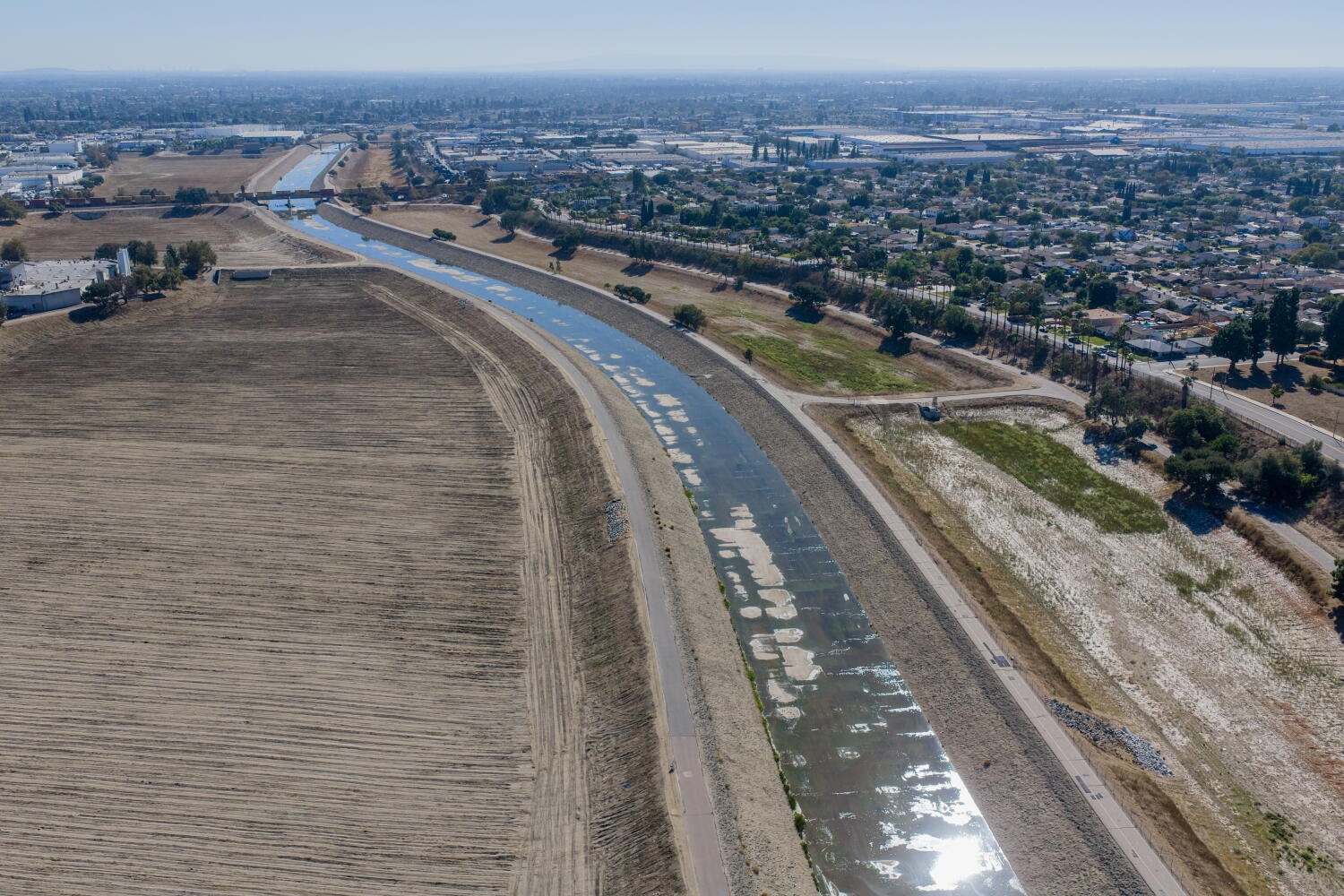
Digital media monetization depends entirely on cognitive capture velocity, forcing publishers to engineer high-frequency visual galleries that retain user attention across fragmented attention spans. Modern news consumers process visual stimulus exponentially faster than text, transforming weekly photographic digests from passive editorial afterthoughts into primary customer acquisition vectors. Editorial organizations that fail to structure their visual distribution strategies around this biological reality experience immediate degradation in session duration metrics.
The architecture of a high-performing photo gallery relies on three distinct distribution mechanics. The first mechanism is asymmetric emotional priming, wherein an audience encounters a jarring or sublime macro image immediately followed by a routine geopolitical record shot. This juxtaposition exploits contrast sensitivity within the human visual cortex, artificially prolonging dwell time per slide. The second mechanism is narrative reductionism, stripping multi-thousand-word investigative reports down to a single resonant frame that signals urgency without cognitive friction. The third mechanism is cyclical habituation, training the user to anticipate a weekly installment of curated imagery regardless of macroeconomic or political news cycles.
Analyzing the cost function of visual journalism reveals a severe systemic vulnerability. Producing original, high-impact photojournalism requires extensive capital expenditure on hazardous assignments, insurance liabilities, and specialized telephoto hardware. Simultaneously, digital advertising revenue models return diminishing yields on static image displays relative to programmatic video inventory. Publishers face a widening deficit between the cost of acquisition for elite visual assets and the monetization potential of passive gallery viewing.
This financial squeeze alters editorial decision-making by prioritizing high-viral-coefficient imagery over exhaustive documentation. Photos depicting overt crisis, extreme weather events, or high-profile political conflict consistently outperform subtle sociological studies in engagement telemetry. Consequently, editorial selection algorithms systematically bias toward visual sensationalism, compressing the perceived spectrum of global events into hyper-concentrated nodes of spectacle.
Audience retention data indicates that users consume photo galleries under specific behavioral constraints. The average interaction duration per image rarely exceeds four seconds unless the viewer possesses a direct personal stake in the subject matter. To combat this rapid scroll decay, successful distribution models embed contextual metadata directly into the image captions rather than forcing the user to cross-reference external text blocks. Information density within the caption must mirror the impact of the photograph itself, establishing an immediate cause-and-effect relationship between the visual evidence and the geopolitical reality it represents.
The friction between speed and verification represents the primary operational bottleneck for contemporary visual editors. In an era dominated by instantaneous digital uploads and decentralized capture devices, the market rewards the publisher that breaks an image first. However, prioritizing speed over forensic verification increases exposure to synthetic media contamination and inaccurate contextual labeling. Establishing a rigorous verification pipeline reduces reputational risk but incurs a temporal delay that competitors utilizing unvetted UGC networks routinely exploit.
Publishers must restructure their visual inventory pipelines to treat photography as primary intelligence data rather than decoration. Transitioning from generic weekly roundups to thematic, data-annotated visual dossiers allows news organizations to capture high-value professional subscribers who demand analytical rigor alongside primary source documentation.
Integrate programmatic verification tools upstream in the ingestion workflow, decoupling speed from authenticity while preserving the emotional velocity that drives audience retention.