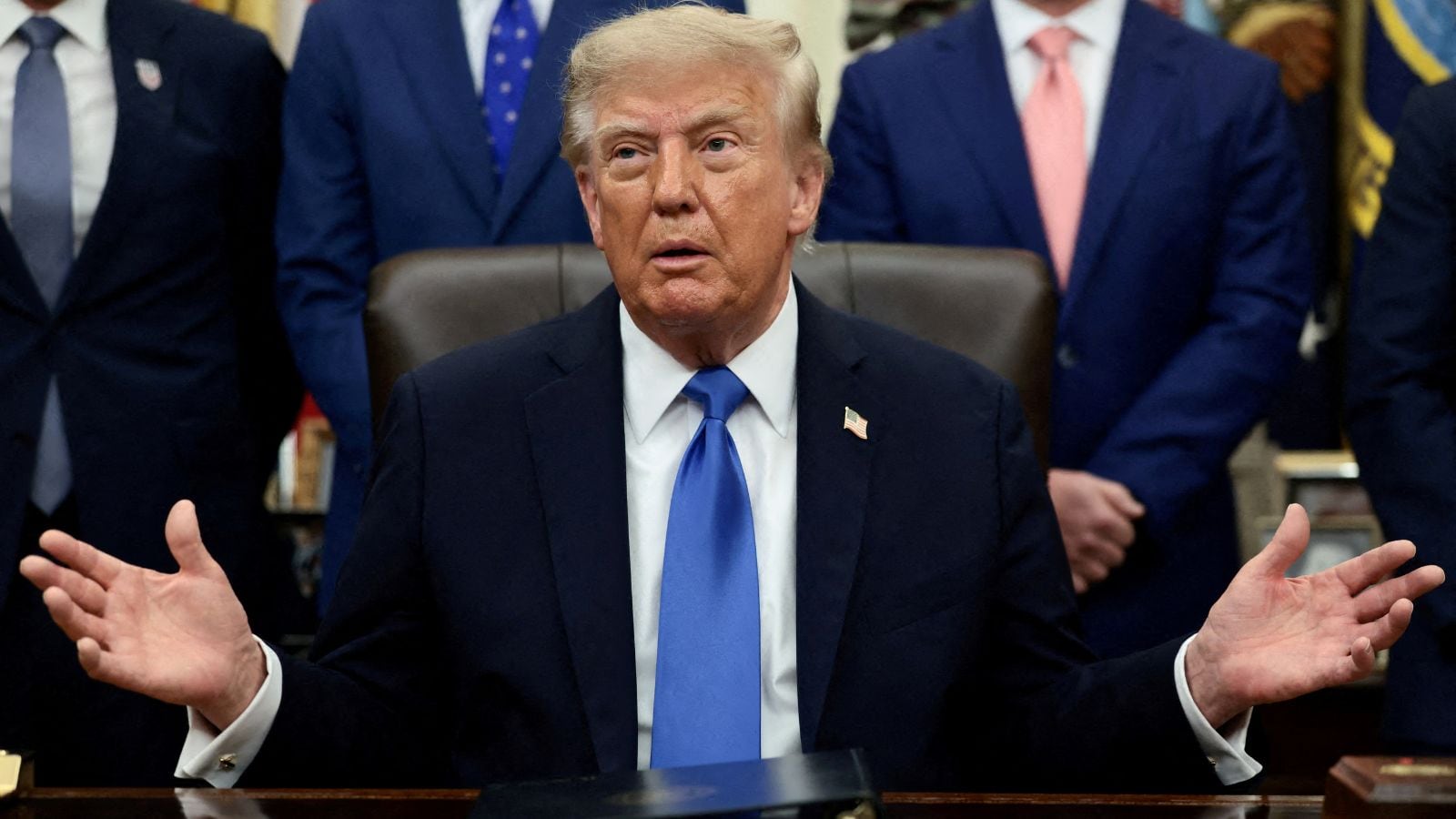
The narrow strip of water separating the Persian Gulf from the Gulf of Oman dictates the price you pay at the pump. When political rhetoric heats up over maritime choke points, global markets panic instantly. Donald Trump's aggressive posturing regarding the Strait of Hormuz—including threats to sink vessels and assertions of total American oversight—is about much more than standard geopolitical posturing. It is a high-stakes chess match over global energy arteries.
Most mainstream coverage treats these statements as sudden outbursts. They aren't. They represent a calculated escalation in a long-running conflict over who controls the transit of roughly a fifth of the world's oil and natural gas. If you want to understand why crude prices swing wildly on any given morning, you have to look past the headlines and examine the actual logistics of naval power projection in constrained waters.
The Reality of Choke Point Economics
The Strait of Hormuz is roughly 21 miles wide at its narrowest point, with inbound and outbound shipping lanes only two miles wide each. That physical constriction makes it one of the most vulnerable commercial arteries on the planet. When tensions flare between Washington and Tehran, insurance rates for cargo vessels skyrocket overnight.
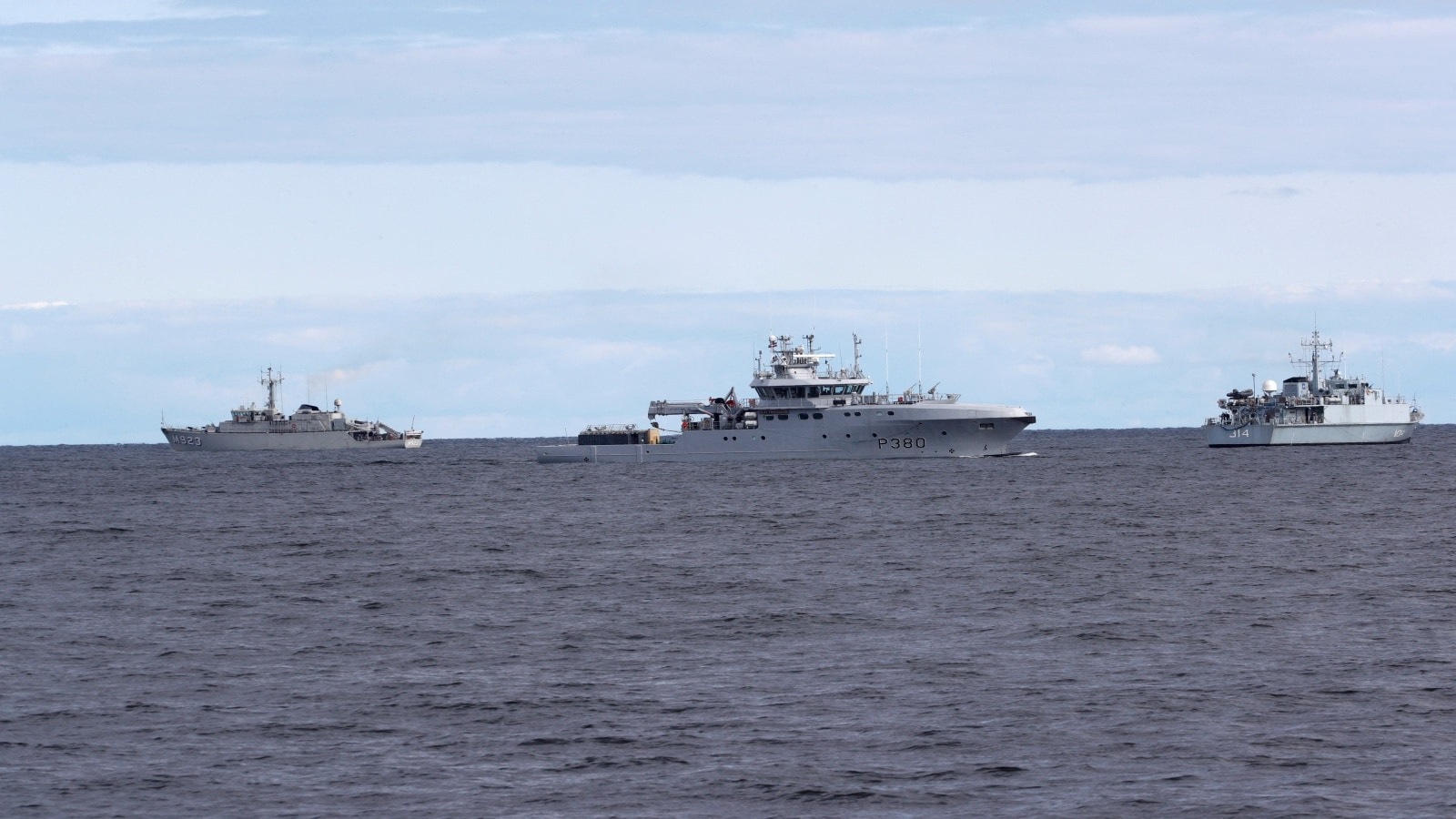
You can talk all day about economic sanctions and diplomatic pressure, but physical geography dictates reality here. Iran sits on the northern coast, controlling the mainland approach, while Oman manages the southern side. Washington's strategy relies on heavy naval escorts and direct enforcement zones to keep the corridor open for international trade, directly challenging Tehran's attempts to restrict access.
Why Military Posturing Fails to Solve the Root Issue
Threatening to sink vessels or establishing unilateral maritime blocks provides good television, but it creates a logistical nightmare for commercial shippers. Tanker operators don't care about political slogans; they care about whether their crew will make it through the corridor without a missile strike.
- Insurance spikes: Shipping companies face prohibitive war-risk premiums during active confrontations.
- Route changes: Alternative pipelines help, but they cannot fully replace the sheer volume moving through the strait.
- Escalation cycles: Every time a warship intercepts or deters a vessel, the risk of accidental military engagement multiplies.
The friction in the region isn't going away because neither side can afford to back down. Tehran views the waterway as a vital tool for economic leverage, while Washington treats freedom of navigation as a non-negotiable pillar of global economic stability.
Keep an eye on how maritime insurers and independent shipping associations react to these announcements rather than focusing solely on political declarations. That is where the true pulse of the crisis lies.
Trump's 'Victory' Crumbles: 31 Iranian 'Strikes' Lay Bare US Base Damage| Expose| Firstpost Live
This video provides an up-close look at the ongoing military friction and security challenges shaping the maritime corridor in the Middle East.