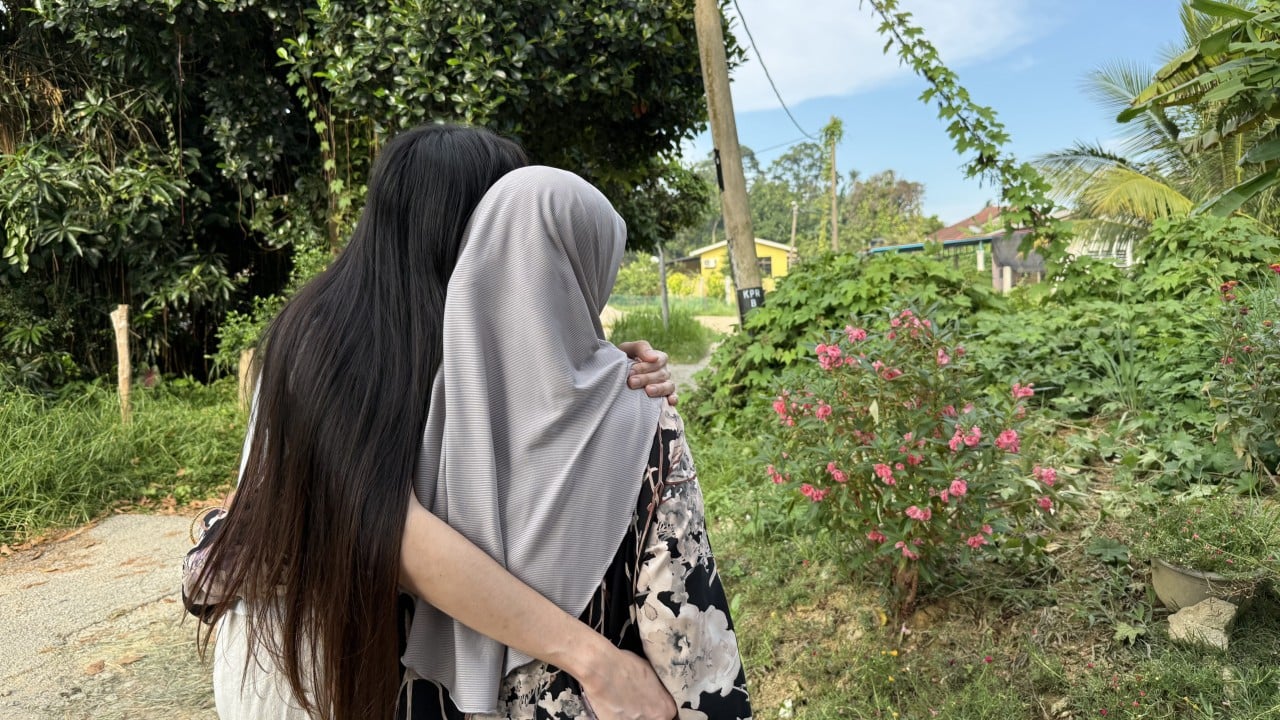
When you look at a conservative landscape like Kelantan, in northeastern Malaysia, certain social scripts are expected. Public piety rules the streets. Sharia enforcers and local authorities keep a tight leash on non-conforming behavior. Yet inside one quiet village home, a very different reality plays out daily. A mother named Rozi looks at her 27-year-old transgender daughter, Hana, and makes a choice that defies local social pressure.
She chooses her child.
Stories like this expose the raw friction between state-level crackdowns on LGBTQ+ individuals in Malaysia and the quiet, fierce resistance offered by parental love. People often talk about cultural acceptance as a massive political movement. On the ground, it is much smaller, messier, and infinitely more human. It looks like a mother ignoring neighborhood gossip so her daughter always has a safe place to sleep.
The Reality of Shrinking Public Spaces
Life for transgender Muslims in Malaysia has grown increasingly precarious. In regions governed by strict religious interpretations, public scrutiny is a constant shadow. Many transgender individuals report shrinking social circles. Going out for a simple meal or meeting friends in public requires calculated caution.
The atmosphere isn't just about legal restrictions; it is about social isolation. When local communities and institutional authorities frown upon gender non-conformity, individuals face a brutal choice. They either hide who they are or risk becoming outcasts.
This environment makes domestic sanctuaries crucial. When the outside world closes its doors, home determines whether a person survives or breaks. For Hana, her mother's kitchen table is the one place where she doesn't have to look over her shoulder.
Math Over Dogma
Rozi didn't consult gender theorists or sociologists before deciding to stand by her daughter. She did basic parental math. If she rejected Hana for transitioning, her child would drift further away into a dangerous void. She wanted her daughter close more than she wanted to appease community judgment.
"If I didn't accept her, she would go further and further away from me," Rozi explained in interviews covering their lives. "I don't want her to be far away."
That sentiment cuts right through complex debates. It forces a confrontation with what family is actually for. When a young person transitions in a hostile environment, rejection is the default expectation. Acceptance becomes an act of quiet rebellion. Rozi’s stance wasn't born out of a progressive political awakening. It came from the simple refusal to throw her child away.
Navigating Faith and Identity
One of the most complex layers of transgender experiences in Malaysia involves religion. Islam is deeply woven into the fabric of Malay culture, and state religious authorities frequently target gender diversity. Families often weaponize faith to force conformity, pushing relatives into religious counseling or isolation.
Yet, individual spiritual lives are rarely black and white. Rozi continues to pray for her daughter. She views her daughter's relationship with God as a private matter, separate from human legislation.
"That is between her and Allah," Rozi noted. "It is not for humans to judge."
This distinction allows mothers and daughters to hold onto their faith without sacrificing their bond. It creates an internal framework where love and religious identity coexist, even when local institutions claim they cannot.
Why Private Refuges Matter
The psychological toll of living in a society that rejects your existence is heavy. Studies and advocacy reports from organizations like Human Rights Watch frequently highlight the severe anxiety and depression faced by queer and trans individuals in restrictive legal environments. Without a support system, the pressure often leads to crises.
When parents offer unconditional backing, the statistics shift. A young person with a safe home base handles external hostility differently. Hana brings transgender friends over to her family home for meals. Her mother fusses over the cooking, treating them with the basic dignity the outside world often denies them.
These small acts of normalization matter. They prove that acceptance is contagious within a household. When one family member opens the door, others often follow, creating micro-communities of safety inside hostile territories.
The Cost of Shutting the Door
Many parents in similar situations make the opposite choice. They choose social standing over their children. They prioritize the opinions of neighbors, religious leaders, or extended family members who demand conformity.
The children of those parents carry that rejection into every corner of their adult lives. They learn early that safety is conditional. They internalize the message that their authentic selves are offensive.
Rozi’s story highlights the alternative. It shows what happens when a parent decides that their child's life matters more than local reputation. Hana puts it simply: as long as her family accepts her, outside noise loses its power.
Real support doesn't require a societal overhaul to start. It begins in living rooms, kitchen tables, and quiet conversations where a parent decides that losing their child is simply not an option.