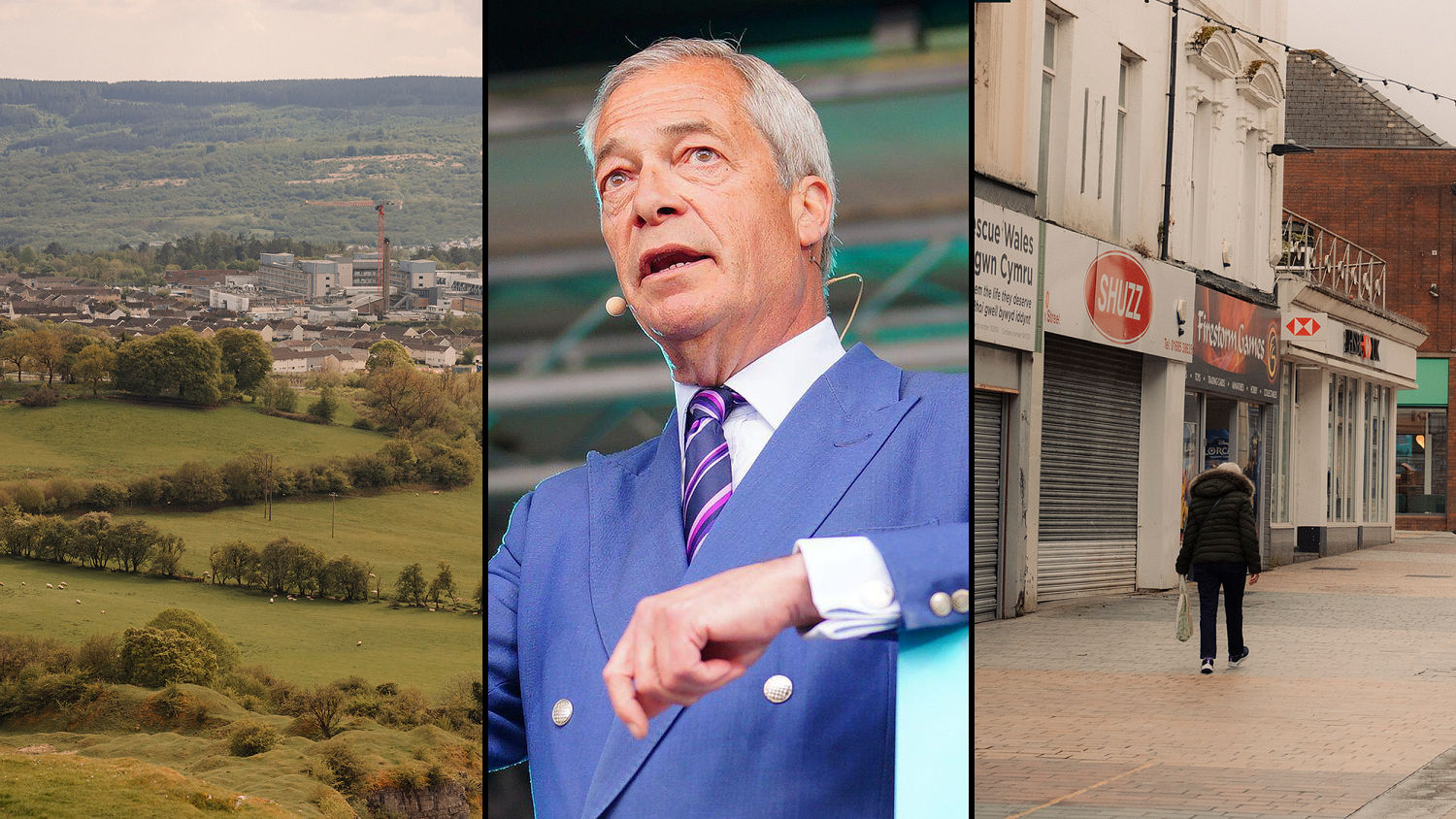
Nigel Farage didn't just want a seat in Parliament; he wanted a revolution. For years, the script was simple. He’d fly to Florida, snap a selfie with Donald Trump at Mar-a-Lago, and return to the UK as the self-appointed bridge between "Forgotten Britain" and the MAGA movement. It worked for a while. It gave him an aura of international relevance that other small-party leaders couldn't touch. But as we move through 2026, that American connection is starting to look less like a rocket booster and more like an anchor.
You see it in the polling data and you feel it on the ground in places like Clacton or Blackpool. The very thing that made Farage "big"—his proximity to the Trump brand—is now the primary reason a massive chunk of the British electorate won't touch Reform UK with a bargepole. Recent numbers from More in Common show that Trump's favorability is tanking even among Reform's own base. We're talking about a guy who once had the "insurgent right" in his pocket, now finding that 25% of women cite his Trump ties as the main reason they'll never vote for him.
The MAGA Mirror is Cracking
British populism isn't a carbon copy of the American version. While Farage tries to import the aesthetic, the substance doesn't always translate. In the US, the movement is deeply tied to religious conservatism and a specific brand of "America First" isolationism. In the UK, the "forgotten" voters Farage claims to represent are often more concerned with the state of the NHS and the cost of the weekly shop than with the culture wars happening in DC.
The cracks aren't just ideological; they're practical. Earlier this year, Farage bragged about having the White House on speed dial. Then the war in the Middle East escalated. Trump started making "civilization-ending" threats on Truth Social, and suddenly, Farage was left scrambling. He tried to fly out for a meeting, failed to get one, and came back to face mockery. It turns out being a "tributary" to a foreign leader is a risky strategy when that leader is as unpredictable as Trump.
Strategy of Disruption vs. Reality of Governing
Reform UK isn't just a protest movement anymore. Since the 2024 breakthrough, they've actually had to do things. They won control of 10 councils in May 2025. You’d think that would be the "liftoff" moment. Instead, it’s been a mess. Within nine months, they lost nearly 50 councillors to suspensions and resignations. It's one thing to shout from the sidelines; it's another to manage a bin collection budget.
The party’s "Great Repeal Bill" sounds punchy in a manifesto. They want to scrap net zero, axe employment rights, and ditch the Equality Act. But look at what's actually happening in the councils they run. They're raising council tax in Kent and Worcestershire. They're cutting bus routes. They're axing grants to local parishes. It’s hard to claim you're the champion of the "left behind" when you're the one cutting the local bus that gets them to work.
- The Wealth Gap: Farage earns over £1 million a year from second jobs, including his GB News gig and an "ambassador" role for a gold company.
- The Policy Shift: He’s moved toward calling for the nationalization of steel and the reopening of coal mines. It’s a weird mix of Thatcherite deregulation and Old Labour industrialism.
- The Trump Barrier: For every voter he gains with a "tough on the border" stance, he loses another who is terrified of the "chaos" a Trump-style presidency would bring to the UK.
Why Forgotten Britain is Looking Elsewhere
The "forgotten" towns Farage targets—places like Port Talbot or the seaside resorts of the North—are genuinely hurting. They feel the system is rigged. Farage is great at identifying that pain. He’s less great at offering a solution that doesn't involve making his wealthy donors even richer. Over 90% of Reform’s donations come from fossil fuel interests and climate deniers. That's fine for a donor dinner, but it doesn't help a family in Clacton struggling with a 5% council tax hike.
Then there's the "Restore Britain" problem. Rupert Lowe, once a close Farage ally, has split off to form a rival party that's even further to the right. Farage is now getting squeezed from both sides. He’s too radical for the mainstream Tories but not "pure" enough for the new hardliners. It’s a classic populist trap.
The Reality Check for 2026
If you're watching British politics right now, don't buy the "inevitable rise" narrative. Farage is a master communicator, but he's fighting a war on too many fronts. He’s trying to be a British MP while spending half his time defending an American President who won't even take his calls lately.
The path forward for Reform UK is getting narrower. They need to move beyond being the "Trump-lite" party if they want to survive. Tactical voting is already killing them in by-elections. Voters are increasingly willing to back anyone—Lib Dems, Greens, or Labour—just to keep Reform out.
If you want to understand where this goes next, stop looking at the rallies and start looking at the local council minutes. That’s where the "revolution" is actually being tested, and right now, it’s failing the people it promised to save. Keep an eye on the council seat retention rates over the next six months. If those continue to slide, the "liftoff" in forgotten Britain might end up being a very expensive crash landing.
Nigel Farage's biggest problem? Donald Trump
This video examines how Farage’s long-standing alliance with Donald Trump has transformed from a political asset into a significant liability that alienates a huge portion of the British electorate.
http://googleusercontent.com/youtube_content/1