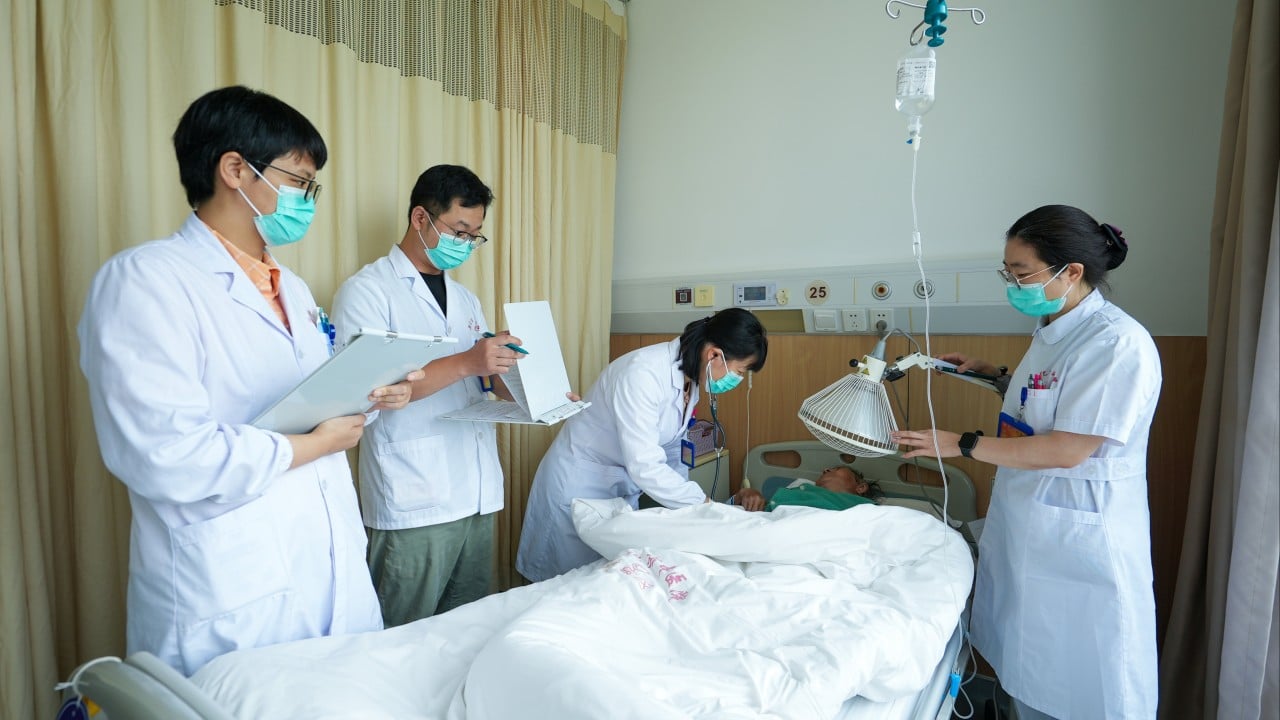
The hospital corridor smelled of bleach and cold steel. It was a familiar scent to anyone who spent their lives walking the thin line between healing and breaking, a scent that clung to coats long after the shift ended. In that quiet space, amidst the rhythmic beep of monitors and the muffled rustle of charts, nurses moved like ghosts of comfort. They carried the weight of other people's pain home in their pockets, folding it up neatly beside their own lives, hoping it wouldn't spill over.
Most people never see what happens after the uniform comes off. They see the smile in the hallway, the gentle hand checking an IV drip, the professional calm that anchors a room in crisis. But minds are fragile instruments, especially when subjected to the relentless friction of modern life and high-stress caregiving. Don't forget to check out our previous coverage on this related article.
Footage emerges years later, capturing a slice of ordinary existence before an unimaginable tragedy struck. In the clips, there is laughter. There are casual conversations about mundane things—weather, schedules, the small irritations of a demanding job. It looks like life. It feels ordinary. Yet, looking back with the harsh lens of hindsight, people search the frame for cracks. They want a sign. They look for the exact second a thread snapped, as if human suffering always leaves a neat footprint.
Reality is rarely so accommodating. To read more about the context here, CDC provides an in-depth summary.
Consider how invisible pressure accumulates. Imagine carrying a glass filled to the absolute brim, walking across a crowded room where everyone is bumping into you. You don't spill a drop for the first ten minutes. You keep your expression serene. You answer questions. You smile. But the water is sloshing, surface tension holding it together by a microscopic miracle. When it finally spills, onlookers act surprised. They ask what changed. They wonder what single moment caused the flood, completely missing the steady, relentless pouring that came before it.
Healthcare professionals face a unique kind of isolation. Society casts them as caretakers, as pillars of strength who absorb trauma daily without cracking. To admit exhaustion is often viewed as weakness. To seek help can feel like an admission of failure in a culture that demands constant resilience. Behind the professional exterior, a silent battle often rages between the person the world sees and the person struggling to keep breathing in the quiet hours of the night.
When tragedy occurs, public discourse often swings wildly between two extremes. One side demands a villain, searching for malice where none exists, needing a simple narrative of good versus evil to make sense of the senseless. The other side retreats into uncomfortable silence, afraid to examine the systemic cracks that allowed a human being to fall so far without a net.
Neither approach serves the truth.
Understanding these rare, devastating moments requires a willingness to look past the sensational headlines and confront the uncomfortable reality of mental health struggles under extreme pressure. It demands empathy for the complexity of the human mind, recognizing that severe psychological distress can distort reality entirely, leaving individuals trapped in a terrifying isolation even while surrounded by loved ones.
The unvarnished truth is that warning signs are frequently quiet. They whisper rather than shout. They hide behind competent professionalism, cheerful social media posts, and the routine rhythms of daily survival.
As the digital footprints of past lives get replayed for public consumption, the real lesson remains stubbornly unlearned. People are more than their worst moments, more than the tragic culmination of an unravelling mind. Behind every headline lies a complex human story of love, exhaustion, fear, and a desperate, quiet plea for relief that ultimately went unheard in the noise of the world.
The lights in the hospital hallway never really go out. Somewhere, another caregiver is pulling a late shift, smiling through the exhaustion, carrying a hidden weight, hoping tomorrow will be lighter.