The global energy map just got a lot messier. With tensions between Iran and Israel hitting a boiling point, the G7 nations—the world’s wealthiest democracies—are publicly pledging to step in. They say they’ll take "all necessary measures" to keep oil and gas flowing without a price explosion. But if you’re sitting at home wondering if this is just political theater or a real shield against $6-a-gallon gas, you aren't alone.
Governments love high-level summits and joint statements. They’re great for optics. However, the current reality in the Strait of Hormuz is a logistical nightmare that a few press releases won’t fix. When the G7 talks about "stabilizing" markets, they’re basically trying to tell speculators to calm down before the panic buying starts. It's a game of psychological warfare backed by massive strategic oil reserves. If you enjoyed this article, you might want to look at: this related article.
The G7 strategy to prevent an energy price spiral
The core of the G7 plan involves a two-pronged approach. First, there's the coordinated release of the Strategic Petroleum Reserve (SPR). The U.S. and its allies have millions of barrels tucked away for exactly this kind of geopolitical heart attack. By flooding the market with supply when Iran-related disruptions occur, they can artificially suppress the price spike that usually follows a middle-eastern conflict.
Second, they’re leaning hard on diplomatic pressure with OPEC+ members, specifically Saudi Arabia and the UAE. The G7 needs these nations to utilize their spare capacity. It's a delicate dance. If Iran decides to harass tankers in the Persian Gulf, no amount of "preparedness" from Italy or Canada can physically move those ships faster. The G7 is essentially acting as a global insurance policy, promising to provide the liquidity the market needs to avoid a total freeze. For another look on this story, see the recent update from Financial Times.
What most people get wrong about Iranian oil disruptions
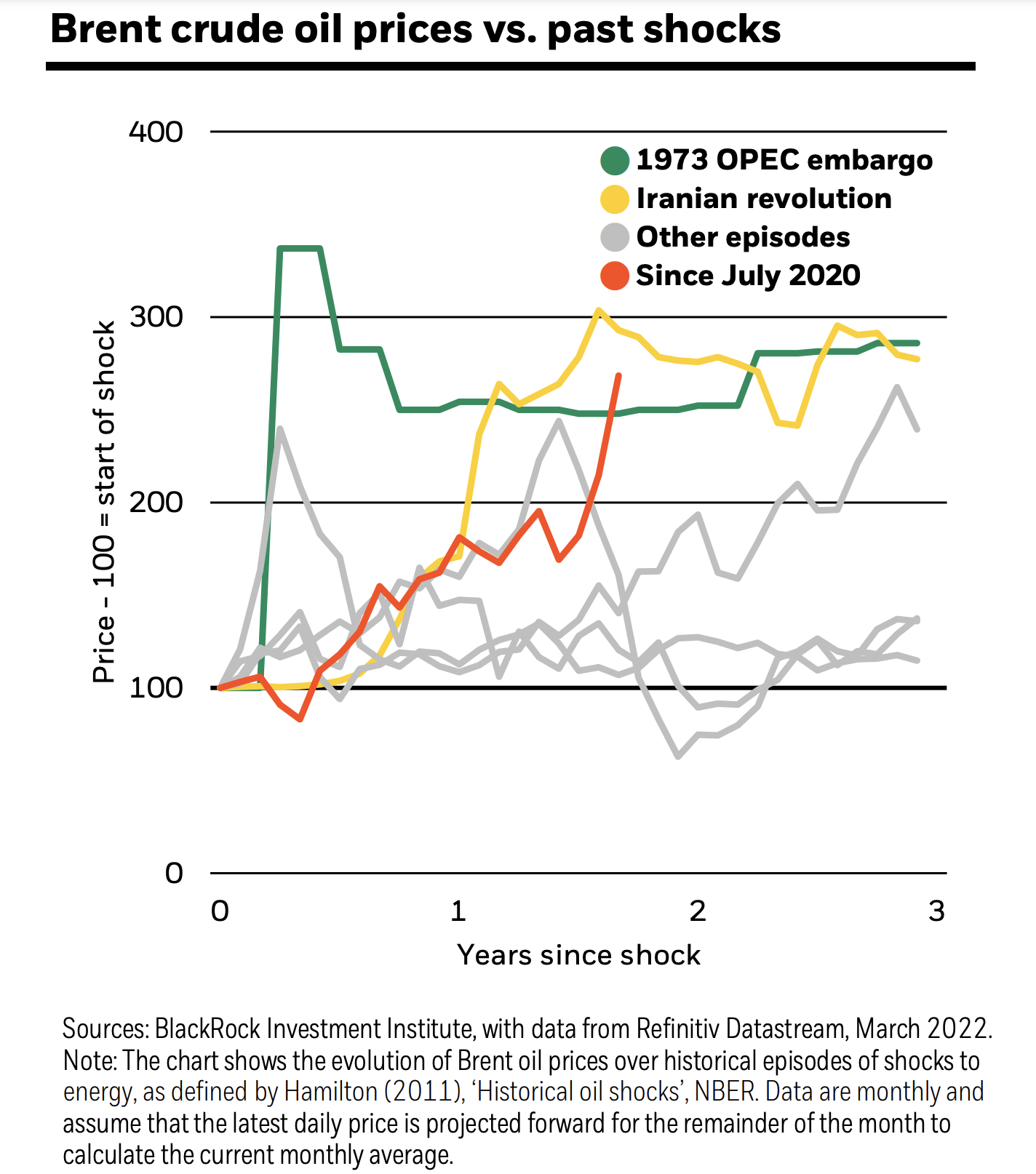
There's a common myth that the world can just "replace" Iranian oil with a few phone calls to Texas or Riyadh. It doesn't work that way. Iran produces roughly 3 million barrels of crude per day. While that's only about 3% of global demand, the oil market operates on razor-thin margins. Even a 1% shift in supply can cause a 10% to 20% swing in price.
The real danger isn't just the loss of Iranian barrels. It's the "chokepoint risk." The Strait of Hormuz sees about 20% of the world’s total oil consumption pass through its narrow waters daily. If that gets blocked, or if insurance premiums for tankers skyrocket because of missile threats, the G7's "measures" will be put to the ultimate test. They can release all the SPR they want, but they can't magically teleport oil past a naval blockade.
Why this time feels different for global markets
In previous decades, a conflict like this would have sent the global economy into a tailspin immediately. We're seeing a bit more resilience now, but don't let that fool you into thinking we're safe. The G7 is more unified than they've been in years, largely because of the lessons learned from the Russia-Ukraine energy shock. They've built better communication channels and shared "energy security" frameworks that didn't exist in the same way five years ago.
The U.S. is also a net exporter of energy now, which changes the math significantly. In the past, Washington would be begging for stability. Now, they’re leading the charge to provide it. But Europe is still the weak link. Without cheap Russian gas, any hit to global oil or LNG (liquefied natural gas) prices hits Berlin and Paris twice as hard. The G7 statement is as much about keeping the Eurozone economy from cracking as it is about global oil prices.
The role of the International Energy Agency
The IEA acts as the tactical arm for these G7 promises. They’re the ones who actually pull the trigger on coordinated stock draws. During the 2022 energy crisis, the IEA oversaw the largest release of oil stocks in history. They’ve proven they can move fast. If Iran moves to restrict supply or if infrastructure gets hit, expect the IEA to announce a massive, multi-country release within 48 hours. That’s the "necessary measure" everyone is counting on.
Shipping costs and the hidden tax
Even if the oil keeps flowing, it’s going to get more expensive to move. This is the part the G7 doesn't talk about in their broad statements. War risk insurance for tankers in the Middle East can jump 1,000% overnight. Those costs get passed directly to the refinery, then to the gas station, and finally to your grocery bill. The G7 can stabilize the commodity price, but they have very little control over the logistics price.
How you should prepare for the volatility
Market stability is a relative term. To a billionaire finance minister, "stable" might mean oil stays under $100. To a small business owner, that’s still a disaster. You shouldn't wait for the G7 to "fix" the market before you take action.
Start by looking at your own energy exposure. If you run a fleet or a business dependent on transport, locking in fuel contracts now—even at slightly elevated prices—might be smarter than gambling on a peaceful resolution. History shows these tensions simmer for months before they boil over or fade away.
Watch the "crack spreads"—the difference between the price of crude oil and the petroleum products extracted from it. If these start widening, it means refineries are struggling, and the G7’s crude oil releases won’t help you at the pump. Pay attention to the actual movement of ships, not just the headlines out of Brussels or Washington.
The G7 has the tools to prevent a 1970s-style energy collapse. They have the reserves, the data, and the political will. But they aren't miracle workers. They can dampen the blow, but they can't stop the punch. Stay informed by tracking the IEA’s weekly status reports and the U.S. Energy Information Administration (EIA) data. Those numbers tell the truth while politicians are still drafting their next "strong statement."
Check your local fuel prices and consider topping off heating oil or diesel tanks if you rely on them for the coming months. Volatility is the only guarantee in this climate. Don't be the last one to react when the headlines turn from "stabilizing" to "shortage."