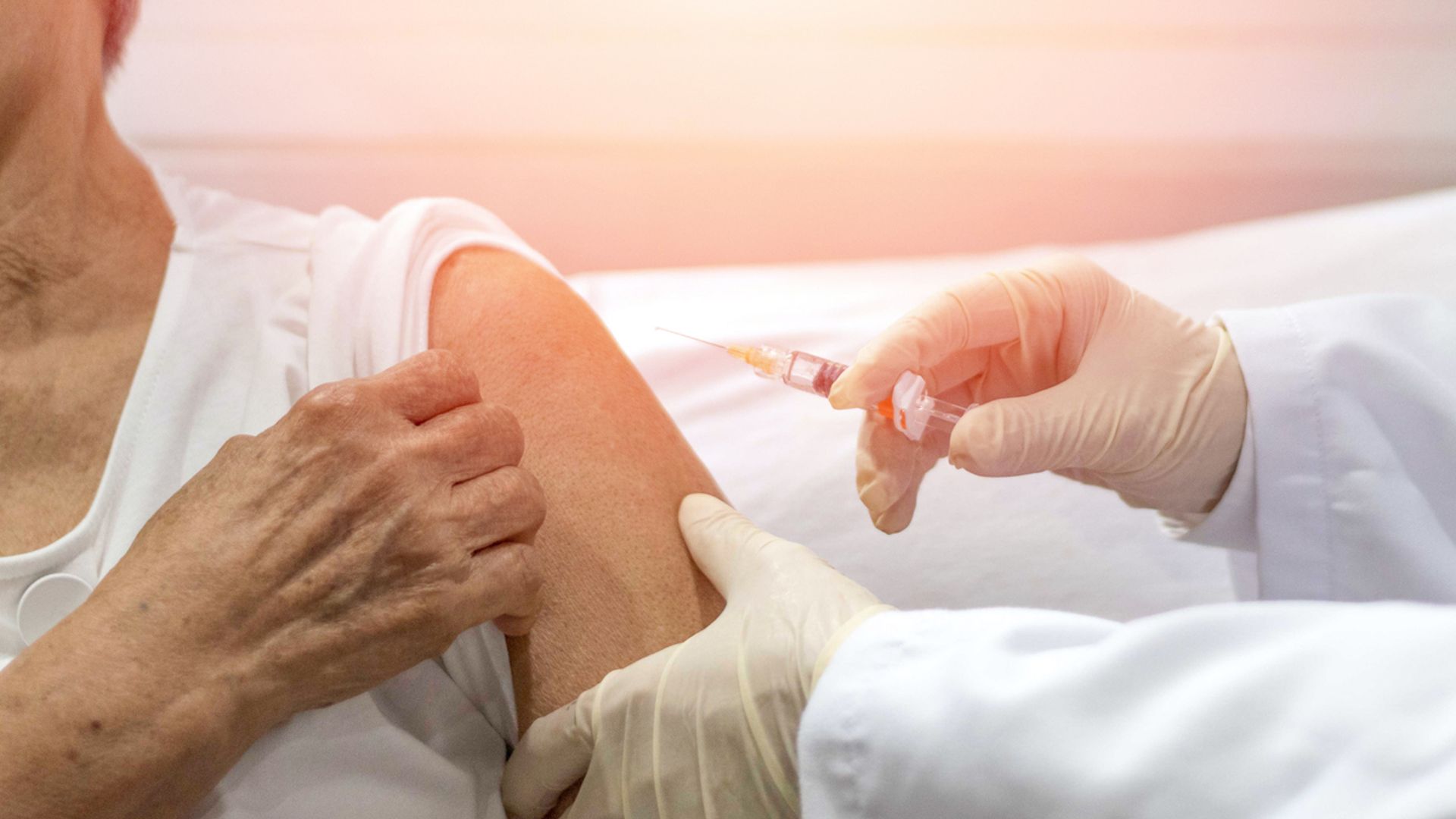
You probably think the shingles vaccine is just about avoiding a painful, blistering rash. Most people do. They remember their older relatives dealing with nerve pain that lingered for months, and they book the shot to dodge that exact misery. But medical research keeps pointing to a massive secondary benefit that barely gets talked about in casual doctor office visits. Getting vaccinated against shingles might actually slash your risk of suffering a stroke or heart disease.
It sounds weird. How can a shot meant for a skin and nerve virus protect your cardiovascular system?
Medical science connects chronic inflammation to heart attacks and strokes. When your immune system fights off the varicella-zoster virus—the culprit behind chickenpox and shingles—it triggers a massive inflammatory response. That inflammation doesn't just stay localized in your skin. It wreaks havoc throughout your entire body, destabilizing arterial plaque and making blood clots much more likely to form.
The Science Connecting Shingles to Strokes
Let us look at the actual data. Major epidemiological studies tracking hundreds of thousands of older adults over multiple years reveal a stark pattern. People who contract shingles face a notably higher risk of cardiovascular events in the weeks and months immediately following the infection. Your blood vessels basically experience a stress test they were never designed to handle.
When you get the shingles vaccine, you aren't just training your immune system to block the rash. You are blunting that severe inflammatory cascade. By keeping the virus dormant and controlled, you spare your arteries from the sudden shock of a full-blown reactivation.
Doctors often miss this part of the conversation. They hand you a vaccine pamphlet focused entirely on nerve pain, ignoring the broader systemic protection you are paying for. That needs to change. Heart disease remains a leading cause of death, and finding preventable triggers outside of diet and exercise is rare.
What the Clinical Data Actually Shows
Researchers at institutions like the University of Oxford and various public health agencies have spent years analyzing vast medical databases. They compare vaccinated populations against unvaccinated control groups, adjusting for age, smoking status, and preexisting conditions.
The findings consistently show a measurable reduction in stroke risk among those who received the modern recombinant shingles vaccine. We are talking about a double-digit percentage drop in cardiovascular incidents for older adults.
Think about standard preventative medicine. We obsess over blood pressure cuffs, cholesterol panels, and daily statins. Yet, a simple two-dose vaccine regimen sits on pharmacy shelves, offering a completely different pathway to heart health that most people ignore until it is too late.
Common Misconceptions About the Shot
Let's clear up some bad assumptions floating around online forums and neighborhood group chats.
Many people believe that if they already had chickenpox as a kid, their immune system has everything under control. That is false. The virus hides in your nervous tissue for decades, waiting for your immune response to dip due to aging or stress.
Others think the vaccine causes severe health problems. While the side effects are real—expect a sore arm, some fatigue, and a mild fever for a day or two—they are temporary and pale in comparison to a stroke.
You also hear folks say, "I am healthy, I eat well, I do not need it." Cardiovascular health is complicated. Even marathon runners experience arterial inflammation from hidden viral triggers. Fitness is great, but it does not make your immune system bulletproof against ancient pathogens.
Who Should Pay Attention Right Now
Public health guidelines generally recommend the shingles vaccine for adults aged fifty and older. If you fit into that age bracket, you need to treat this shot with the same urgency you give your annual checkups.
If you have a history of heart issues, high blood pressure, or a family history of stroke, the stakes are even higher. Talk to your primary care physician or your cardiologist specifically about how viral inflammation affects your personal risk profile. Do not just wait for them to bring it up. Doctors are busy, and preventative immunization sometimes slips through the cracks of a standard fifteen-minute appointment.
Call your local pharmacy today, check your insurance coverage, and schedule your first dose if you haven't already. Protecting your brain and your heart turns out to be as simple as stopping by the vaccine counter.