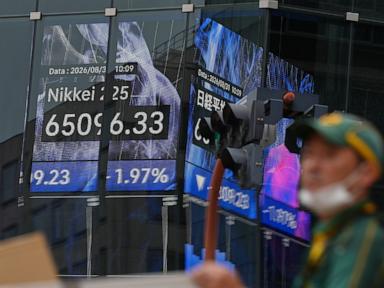
Borrowing costs are exploding across the planet. If you've looked at global bond yields lately, you already know the panic isn't hypothetical. Multi-decade highs are breaking financial models that haven't faced real stress in a generation.
Geopolitical shocks used to cause a quick flight to safety. Investors would dump risk, buy government debt, and drive yields down. That playbook just caught fire and burned to ashes.
When Middle East conflict threatens energy corridors, oil spikes. When oil spikes, inflation expectations refuse to die. Central banks get trapped. They can't cut rates to save sputtering economies because inflation is breathing down their necks.
Investors are demanding higher compensation to lend money to governments running staggering deficits. Supply keeps flooding the market, and buyers want a massive discount. That is why the math behind the bond market is breaking down right now.
The Broken Safe Haven Playbook
We used to count on sovereign debt during crises. You bought U.S. Treasuries, German Bunds, or UK Gilts when missiles started flying.
Not this time.
Energy security is financial security. When shipping lanes face disruption, manufacturing costs jump everywhere. Raw material prices climb. Factory gate inflation prints hotter than expected. Bond traders see that vicious cycle forming and immediately dump fixed-income assets.
Prices fall and yields surge. It's a direct mathematical reaction.
Governments are issuing record amounts of debt to finance ballooning budgets. They are competing against each other for a shrinking pool of eager buyers. Pension funds and insurance companies can only absorb so much paper before demanding steep risk premiums.
You're watching the bill come due for decades of fiscal excess, accelerated by sudden supply chain blockades.
How Inflation Fears Rewire the Yield Curve
Central bankers spent years telling everyone inflation was transient. They were wrong. Now, they are dealing with structural price pressures that won't go away quietly.
A sudden spike in crude oil acts as an immediate tax on every global consumer. Transportation costs ripple through grocery shelves, microchip factories, and shipping container yards. Wage demands rise to match the cost of living.
Bond markets hate this environment. A ten-year bond paying a fixed coupon looks terrible when inflation is chewing away at your real returns.
Sellers outnumber buyers by a wide margin. Long-term yields climb faster than short-term rates, steepening curves and signaling deep institutional anxiety.
Institutions aren't pricing in a soft landing anymore. They are pricing in a prolonged era of higher-for-longer borrowing costs. Mortgages, corporate debt, and auto loans follow these sovereign benchmarks up the ladder.
Surviving the Debt Market Realignment
Sitting on cash feels safe until inflation eats your purchasing power. Buying long-term bonds too early catches you in a brutal capital loss trap as prices drop further.
You need a practical framework to navigate this volatility without panicking.
- Keep cash allocations liquid in high-yield instruments or short-duration bills that reset quickly.
- Avoid locking in long-term fixed liabilities unless the terms reflect genuine value.
- Watch energy supply routes closer than you watch central bank press conferences. Crude oil is the ultimate leading indicator for bond yields today.
- Focus on companies with pristine balance sheets and zero net debt. They won't need to refinance at these punishing market rates.
The old rules of portfolio construction need a rewrite. If you refuse to adapt to sticky inflation and runaway yields, the market will gladly do it for you. Protect your capital, shorten your duration, and stop waiting for a return to cheap money. It isn't coming back.