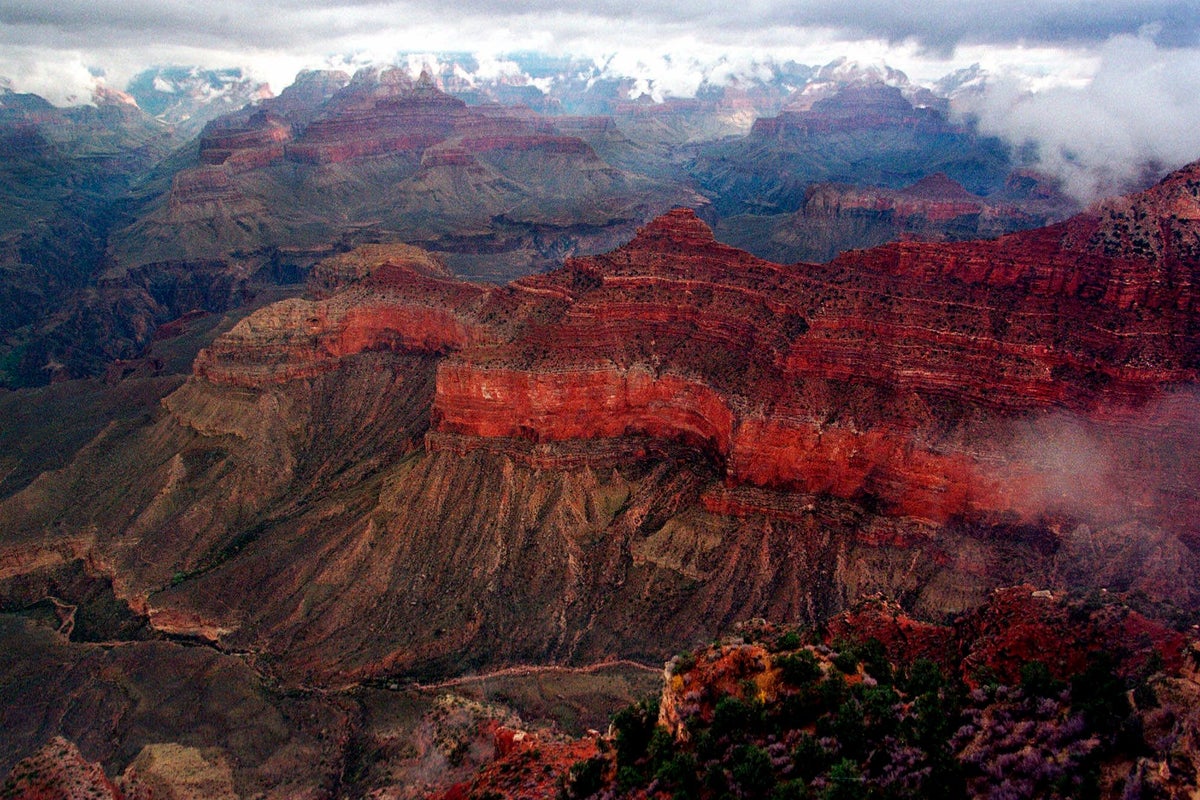
Dozens of hikers and campers were evacuated from remote stretches of the Grand Canyon following a series of sudden, violent flash floods that turned dry washes into raging torrents of mud and debris. The monsoon season brings predictable peril to the American Southwest, yet emergency response agencies continue to grapple with systemic vulnerabilities in remote wilderness communication, outdated warning systems, and an influx of visitors ill-equipped for desert hydrology.
Water does not care about park permits. It does not respect itineraries crafted months in advance. When an intense thunderstorm drops inches of rain onto impermeable sandstone miles upstream, a dry canyon floor transforms into a death trap in less time than it takes to lace up a pair of hiking boots. We have treated the canyon like an amusement park ride with a scenic backdrop, forgetting that geology operates on timescales indifferent to human schedules.
The Physics of a Wall of Water
Flash flooding in the Grand Canyon is an exercise in extreme hydraulic physics. When torrential rain hits baked, sun-scorched earth, the soil cannot absorb the moisture fast enough. Runoff channels rapidly into narrow tributaries, funneling millions of gallons of water, boulders, and uprooted trees into major corridors like Havasu Creek and Bright Angel Wash.
The danger lies in the disconnect between local weather and upper watershed conditions. A hiker can stand under a pristine, cloudless blue sky at the bottom of the gorge while a torrential downpour unleashes chaos twenty miles away on the rim.
- Impermeable bedrock: High clay content and baked caliche layers prevent rapid infiltration.
- Narrow funnel geometry: Canyons act as natural flumes, concentrating volume and accelerating flow velocity.
- Debris loading: The rushing water carries heavy sediment, multiplying its destructive kinetic force exponentially.
Emergency response teams face an impossible equation during these events. Helicopters cannot fly through severe thunderstorm cells. Radio signals bounce erratically off canyon walls, turning communication blackouts into standard operating procedure during crises. Rangers must rely on rudimentary rain gauges and downstream sensors that can fail or get washed away just when telemetry matters most.
Infrastructure Strain and the Visitor Burden
National Park Service budgets have flatlined while visitation numbers hover near record highs. Millions of people descend upon the Grand Canyon annually, many possessing zero backcountry experience. They read a blog post about swimming in turquoise travertine pools and book a trip without understanding that remote wilderness travel requires absolute self-reliance.
When a flash flood hits, the immediate burden falls on search and rescue units who are perpetually understaffed and overworked. These professionals risk their lives rappelling into raging creeks and hoisting stranded tourists off precarious ledges, often battling the very weather events that triggered the disaster.
The park system relies heavily on voluntary compliance and warning signs posted at trailheads. Signs get ignored. Rangers report an uptick in visitors bypassing physical barriers or dismissing weather advisories as bureaucratic caution rather than life-saving intelligence.
[Storm Cell Forms on Rim]
       ↓ (Minutes pass)
[Runoff Gathers in Dry Washes]
       ↓ (Sudden surge)
[Flash Flood Hits Canyon Floor]
       ↓ (Zero warning for hikers)
[Evacuation / Rescue Crisis]
The Communication Gap in the Backcountry
Cellular service inside the inner canyon is virtually nonexistent. Satellite messengers offer a lifeline, but adoption rates among casual day-hikers remain low due to cost and complexity. Consequently, when a flash flood threatens a camp, there is no push notification sent to a smartphone. There is no automated siren echoing off the Redwall Limestone.
Park officials face a difficult balance. Over-warning visitors can lead to fatigue, where hikers ignore future advisories because previous alerts resulted in mild weather. Under-warning costs lives.
The traditional methods of park safety communication are no longer adequate in an era marked by erratic weather patterns driven by shifting climatic baselines. Monsoon seasons are becoming more volatile, characterized by sudden, high-intensity cloudbursts that defy historical averages.
Moving Past Reactionary Safety
Relying on post-disaster helicopter evacuations is a failing strategy. We need a fundamental shift toward real-time telemetry integration and mandatory safety briefings for inner-canyon overnight permits. If visitors cannot demonstrate a basic comprehension of flash flood indicators, they should not be granted access to high-risk riparian zones during peak monsoon windows.
The canyon does not negotiate. Until park management and the recreating public match the raw, unforgiving reality of desert hydrology with rigorous preparation and modern early-warning architecture, every heavy cloud gathering over the rim will remain a countdown to the next avoidable tragedy.