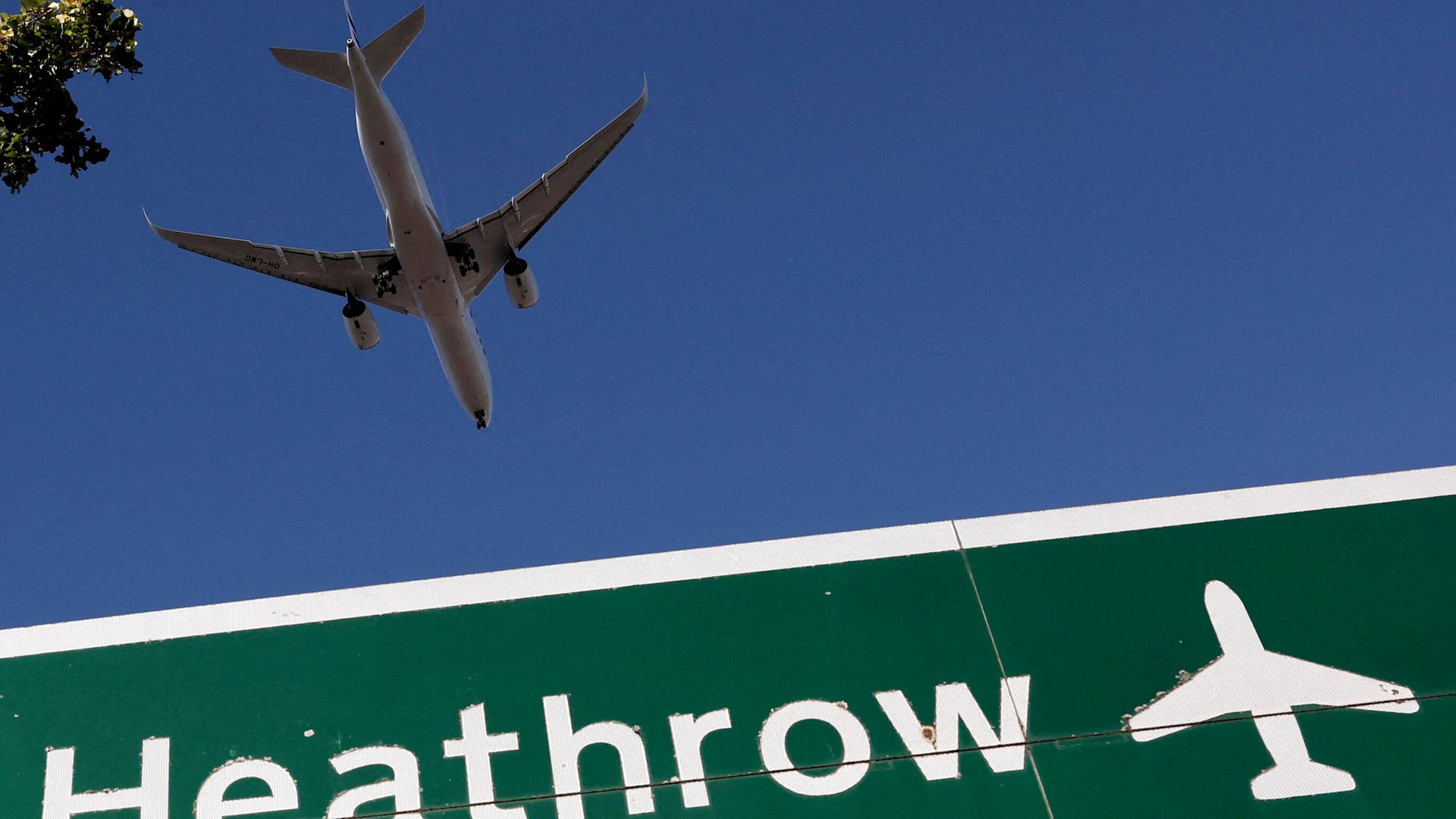
Mega-infrastructure projects in the UK carry a specific kind of dread. You map out a grand vision, slap an optimistic price tag on it, and watch as timelines stretch out like cheap elastic. The latest chapter in the never-ending Heathrow saga is no different. Ministers are currently lining up financial advisers to scrutinize the staggering forty-nine billion pound price tag attached to the airport's third runway.
If you've been following aviation policy, you know this project refuses to die. Despite decades of political bickering, environmental pushback, and shifting government priorities, the push for growth remains relentless. But enthusiasm from politicians doesn't pay the bills. Bringing in city bankers to stress-test the economics isn't just standard procedure; it’s an admission that nobody really knows if the numbers actually work anymore.
The Reality Check Behind the Forty Nine Billion Pound Price Tag
Let's look at what is actually happening. The Department for Transport has been hunting for experienced banking advisers to look closely at the affordability and economic viability of the proposed expansion. That search costs millions in advisory fees alone. When governments start paying investment banks to check homework, you can safely assume the budget is ballooning.
The original timelines are already falling apart. Initial projections pointed toward a completion window around 2035. Reality has since set in. Current expectations suggest the timeline is slipping by roughly four years, pushing realistic operational dates closer to 2039. Every year of delay adds billions in capital costs, financing expenses, and inflationary pressure.
Proponents argue that adding capacity at Europe's busiest historical hub is vital for keeping the country globally competitive. Treasury ministers insist it drives long-term economic growth. Critics counter that the carbon footprint alone makes the project a relic of a bygone era, while local residents worry about relentless noise pollution. Meanwhile, the taxpayers are left wondering who ultimately catches the financial fallout if private financing stumbles.
Why Bankers Are Suddenly Steering the Conversation
Politicians love announcing massive infrastructure wins, but they hate dealing with the messy arithmetic. That is where external financial consultants step in.
The core question facing these advisers isn't whether planes need more tarmac. It is about risk allocation. Can private capital genuinely fund a forty-nine billion pound build without leaning on public money if things go sideways? Past mega-projects like High Speed 2 proved that initial cost estimates are often works of fiction.
Investors want clarity on passenger charges, regulatory caps, and the true cost of complex engineering feats like rerouting the M25 motorway. If the financial model relies on squeezing airlines too hard, carriers will simply shift capacity to cheaper European hubs like Amsterdam or Frankfurt. If the government has to underwrite the risk, public backlash will be immediate and severe.
The Political Tug of War
The politics surrounding Heathrow read like a revolving door of contradictions. While finance ministers champion the economic necessity of the third runway at international summits, local leaders and regional politicians push back hard, citing climate targets and alternative transport strategies.
This friction creates a bizarre policy limbo. The government officially supports the expansion in principle, yet leaves the door open to phased alternatives and alternative proposals to keep costs manageable. Bringing in independent bankers is a convenient way to buy time and let spreadsheet data settle political arguments that politicians cannot win on their own.
Until these financial audits return clear answers, the third runway remains an expensive ghost town on paper. The upcoming months of consultation and advisory reports will determine whether this massive bet on aviation gets built or quietly shelved for another decade.