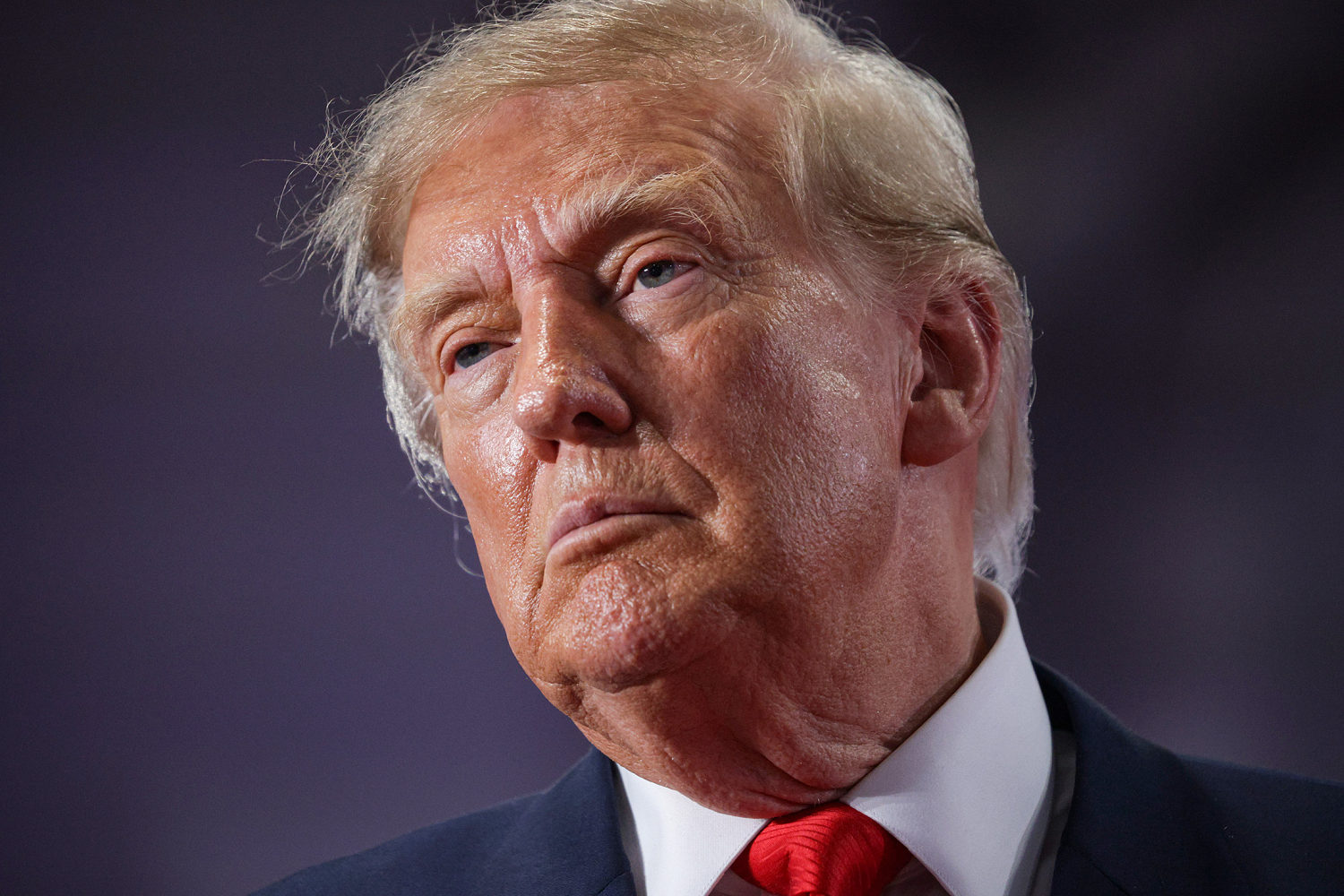
When the announcement dropped across social media channels, it carried the breathless certainty of a historic breakthrough. Effective immediately, the White House proclaimed, an energy ceasefire had been struck between Moscow and Kyiv. Both parties had supposedly agreed to halt the devastating long-range strikes targeting power grids, oil depots, and refineries. There was only one glaring omission from the triumphant diplomatic narrative.
Nobody had bothered to inform Kyiv.
Ukrainian President Volodymyr Zelenskyy learned of the supposed accord from public feeds while domestic emergency crews were still responding to air raids. Within hours, reality punctured the diplomatic theater. A barrage of incoming munitions slammed into a power facility in Kharkiv, plunging neighborhoods into darkness and proving that high-altitude proclamations hold zero sway over active artillery trajectories.
To understand why this declaration fractured instantly, you have to look past the press releases and examine the structural mechanics of the energy war. For months, long-range Ukrainian drone campaigns had systematically dismantled a significant portion of Russia's domestic oil refining capacity. These strikes were not random acts of retaliation; they were calculated economic pressure points designed to shrink Moscow's petrodollar revenues and disrupt fuel logistics for front-line forces.
Conversely, the Kremlin's campaign against Ukrainian substations and generation plants carried a grim existential calculus. By turning winter into a weapon, Moscow sought to freeze civilian populations into political submission and break the nation's collective will. Neither side viewed energy infrastructure as a peripheral bargaining chip. It was, and remains, the primary operational lever of the conflict.
Behind the public friction lies an awkward domestic imperative in Washington. The push for a quick-fix energy accord coincided with intense political pressure over domestic fuel prices and controversial arrangements regarding imported diesel. Negotiators eager to secure a win ahead of electoral cycles attempted to freeze a dynamic military reality by executive decree. They treated a complex theater of survival as a public relations exercise, assuming that declaring a ceasefire would magically compel two warring nations to halt their most effective strategic maneuvers.
European allies watched these maneuvers with mounting alarm. Continental officials pointed out the obvious flaw: a unilateral standstill on deep strikes only rewards the aggressor, allowing stalled supply chains to recover while leaving population centers vulnerable to continued aerial bombardment. When a peace framework is built on sand, the first storm washes it away.
True diplomatic traction does not arrive via sudden social media mandates or backroom fuel arrangements divorced from territorial security. It requires synchronized enforcement, verifiable verification mechanisms, and a basic acknowledgement of facts on the ground. Until those foundational elements exist, these proclaimed truces will remain what they have always been: temporary illusions masking the brutal persistence of a war that refuses to be legislated away by press release.