A Texas jury awarded a single family $21.6 million after catastrophic, faulty plumbing turned their newly built home into an uninhabitable biohazard. That massive verdict is not an isolated fluke. It is a warning shot aimed directly at the American residential construction industry, exposing how rushed labor, cheap materials, and lax municipal oversight are turning modern dream homes into toxic financial traps.
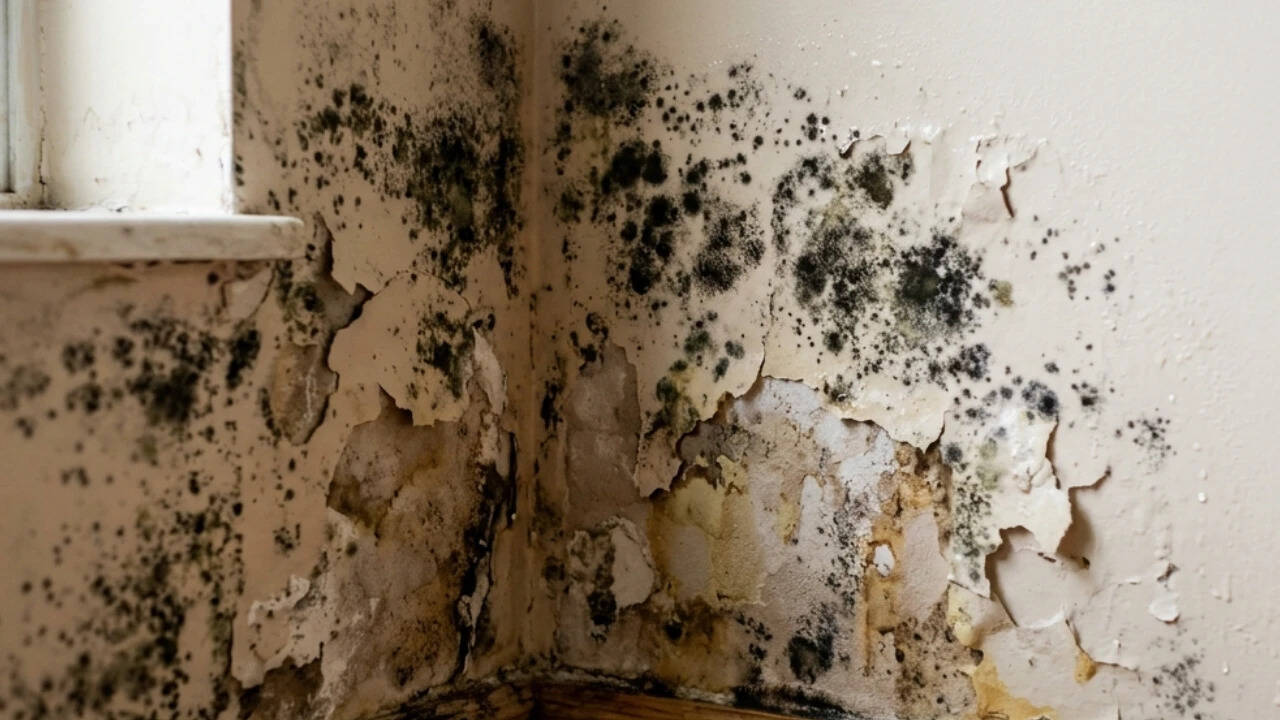
When a homebuyer signs closing papers on a custom or semi-custom build in Texas, they expect the pipes behind the drywall to hold water. Instead, thousands of homeowners across the Sun Belt are discovering that aggressive building timelines and a severe shortage of licensed master plumbers have created a ticking time bomb inside their walls. In the case behind this landmark judgment, improper installation and substandard piping led to chronic, undetected moisture intrusion. By the time the damage surfaced, toxic mold had colonized the framing, ruined personal property, and driven the family out of their own residence.
The jury did not arrive at $21.6 million by accident. Standard construction defect claims rarely breach the seven-figure mark because builders bury arbitration clauses deep inside purchase contracts, effectively stripping buyers of their constitutional right to a jury trial. To reach an eight-figure payout, plaintiffs must prove more than simple negligence. They have to establish gross negligence, deceptive trade practices, or intentional concealment of known defects.
How a Routine Pipe Failure Becomes a Multi-Million-Dollar Liability
Most people hear about a $21.6 million plumbing award and assume the family lived in a sprawling royal palace. The reality of construction litigation is far more sobering. Damages in these catastrophic defect cases stack up across several distinct categories that quickly dwarf the original purchase price of the house.
First comes the total loss of the structure. When water leaks slowly inside sealed wall cavities over months or years, it does not just stain the paint. It rots structural load-bearing studs, compromises the subflooring, and creates an ideal dark, humid incubator for Stachybotrys chartarum and Aspergillus mold species. Once mold spores penetrate the HVAC ductwork and structural framing, standard remediation often fails. The only permanent fix is a complete tear-down to the slab, followed by a full rebuild at current inflated material and labor rates.
Second is the loss of personal property and living expenses. Porous items—mattresses, upholstered furniture, clothing, family photographs, books—absorb mycotoxins and airborne spores. Industrial hygienists routinely classify the entire contents of a water-damaged home as contaminated waste. Meanwhile, the displaced family must pay for years of temporary housing, storage, and ongoing medical evaluations while the litigation drags through the courts.
Third, and most damaging to the builder, are punitive and statutory damages. Under laws like the Texas Deceptive Trade Practices Act (DTPA), if a jury finds that a builder or subcontractor knowingly covered up a defect or misrepresented the quality of the work, the court can multiply economic damages. When a builder ignores initial homeowner complaints, paints over water stains, or conducts superficial cosmetic patches instead of opening the wall to fix the root plumbing failure, they hand the plaintiff’s attorneys the exact ammunition needed to trigger treble damages.
The Anatomy of Modern Plumbing Failures
To understand why residential plumbing is failing at an alarming rate, you have to look behind the drywall at how modern homes are actually assembled. The days when a master plumber spent weeks carefully sweating copper joints by hand are largely gone in production and semi-custom homebuilding.
Today, the industry relies heavily on cross-linked polyethylene (PEX) tubing and push-to-connect or crimp fittings. PEX is not inherently bad; when installed correctly, it is flexible, resistant to scale, and requires fewer joints than rigid copper. However, its ease of installation has created a dangerous illusion that anyone with a crimping tool can plumb a house.
General contractors under immense pressure to hit quarterly closing targets frequently subcontract plumbing work to the lowest bidder. Those subcontractors, squeezed on margins, send out crews with minimal supervision. A single poorly calibrated crimping tool, a pipe nicked by a framing nail, or PEX tubing left exposed to ultraviolet sunlight on a job site before installation can compromise the integrity of the entire water distribution system.
Consider a hypothetical example of how this plays out on a typical job site. A framing crew shoots a nail through a pressurized supply line during drywall installation. Because the line is under pressure, the nail itself acts as a temporary plug. The drywall goes up, the painters finish the trim, and the house passes its final municipal inspection. Six months later, the steel nail corrodes and rusts away inside the wet wood. Suddenly, a pinhole leak begins spraying a fine mist inside the insulated wall cavity twenty-four hours a day. Because modern homes are built tight for energy efficiency, that moisture has nowhere to evaporate.
The Inspection Illusion
Homeowners routinely rely on two safety nets to protect them from shoddy construction, and both are deeply flawed.
The first is the municipal building inspector. City and county inspectors are overwhelmingly overworked, often tasked with signing off on twenty or thirty different job sites in a single day. An inspector might spend ten minutes walking through a four-bedroom house. They check that pressure gauges hold during a brief hydrostatic test and verify basic code compliance, then move on. They do not inspect every crimp ring, check pipe manufacturer lot numbers, or verify that moisture barriers were properly sealed around shower pans.
The second safety net is the private third-party home inspector hired by the buyer before closing. While reputable inspectors catch plenty of visible issues, they are strictly limited to non-invasive visual observations. They cannot tear open drywall, scope inside supply lines, or detect slow leaks that have not yet saturated the surface materials. A clean inspection report at closing is a snapshot of a single afternoon, not a structural guarantee.
The Arbitration Trap and How Builders Dodge Accountability
If faulty plumbing is so common, why do we not hear about $20 million verdicts every week? The answer lies in the fine print of the residential purchase agreement.
Over the past two decades, major homebuilders and regional developers have successfully lobbied to make binding mandatory arbitration the default dispute resolution mechanism in construction contracts. When a homeowner discovers severe water damage and hires a lawyer, they rarely end up in front of twelve peers in a public courtroom. Instead, they are forced into private, confidential arbitration proceedings—often administered by forums favored by the construction industry.
Arbitration changes the math entirely:
- No public record: Settlements and awards are sealed under strict non-disclosure agreements, preventing neighboring homeowners from learning that their builder used the same defective plumbing crew.
- Limited discovery: Homeowners have far fewer rights to subpoena internal builder emails, warranty logs, or subcontractor communications that might prove a pattern of negligence.
- Capped awards: Arbitrators are notoriously reluctant to award the kind of punitive damages that juries hand down when they see corporate indifference toward a family's health and safety.
The Texas family's $21.6 million verdict broke through this wall because the legal team successfully navigated around or overcame the typical contractual roadblocks, allowing a jury to see the full scope of the devastation. When regular citizens—who are homeowners themselves—see photos of black mold creeping up children's bedroom walls alongside internal emails showing a builder dragging their feet on repairs, they punish the builder severely.
The Insurance Industry Is Quietly Retreating
While consumers focus on the eye-popping courtroom numbers, the real shockwaves from verdicts like this are hitting the commercial insurance market.
Builders do not pay $21.6 million out of their checking accounts; their Commercial General Liability (CGL) insurers do. Over the last several years, insurance carriers underwriting residential contractors in high-growth states like Texas, Florida, and Colorado have been hammered by water damage and mold claims. Water intrusion is now the single largest driver of construction defect litigation nationwide.
In response, insurers are rewriting the rules. Many carriers have inserted strict mold and water damage exclusions into subcontractor policies, or capped coverage for multi-unit and custom residential work at levels that leave builders dangerously exposed. Premiums for plumbing subcontractors have skyrocketed, forcing smaller, legitimate outfits out of business while leaving the market open to underinsured fly-by-night operators who fold their LLC at the first sign of a lawsuit.
When a subcontractor dissolves their corporate entity and opens under a new name the following Monday, the homeowner is left holding an uncollectible judgment, and the general contractor is left fighting their own insurance carrier over who foots the bill.
Warning Signs of Hidden Plumbing Defects
You do not need a $21.6 million lawsuit to protect your equity, but you do need to abandon the assumption that a new or recently renovated home is immune to catastrophic plumbing failure. Early detection is the only way to turn a potential tear-down into a manageable repair.
Pay close attention to subtle environmental shifts inside the structure:
- Unexplained spikes in water usage: Check your municipal water bill for gradual increases that do not align with seasonal irrigation or household changes. Even a tiny pinhole leak can waste hundreds of gallons a month.
- Localized humidity and musty odors: If a specific hallway, closet, or bathroom feels noticeably damper than the rest of the house, or smells earthy after the HVAC system cycles off, moisture is trapped behind the surface.
- Baseboard swelling and paint bubbling: Medium-density fiberboard (MDF) baseboards—standard in modern construction—act like sponges. They will swell, warp, and split at the seams long before drywall visibly discolors.
- Warmer or cooler spots on slab floors: In slab-on-grade homes common across Texas, a hot water supply line leaking beneath the concrete will create a distinct warm spot on tile or hardwood flooring.
How Buyers Can Protect Themselves Before Closing
If you are building a home or buying new construction, your leverage peaks before you sign the purchase contract and disappears the moment the deed transfers.
First, hire an independent, phase-based inspector. Do not wait until the drywall is hung. Pay a qualified construction specialist to inspect the property at three distinct stages: pre-pour (to check under-slab plumbing), pre-drywall (when every pipe, crimp, and nail plate is completely visible), and final walkthrough. Take thousands of high-resolution photos and videos of every open wall before insulation goes in. If a pipe fails three years later, those photos will tell you exactly where the lines run and who installed them.
Second, demand to review the contract with a construction attorney. Strike mandatory arbitration clauses if the builder will allow it, or negotiate the removal of broad warranty waivers that limit the builder's liability strictly to cosmetic repairs. Verify that the general contractor carries active, verifiable general liability insurance and requires the same from their plumbing subcontractors.
Third, install smart leak detection systems immediately. Devices that attach directly to your main water supply line monitor flow rates and micro-pressure drops in real time. If a pinhole leak develops at 3:00 AM while you are on vacation, an automatic shutoff valve will cut the water to the entire house within minutes, turning a multi-million-dollar toxic mold nightmare into a simple service call.
The $21.6 million Texas verdict proves that courts are finally losing patience with sloppy residential construction, but a courtroom victory takes years of financial and emotional ruin to achieve. Until builders value what goes behind the drywall as much as the granite countertops on top of it, homeowners have to act as their own quality control.