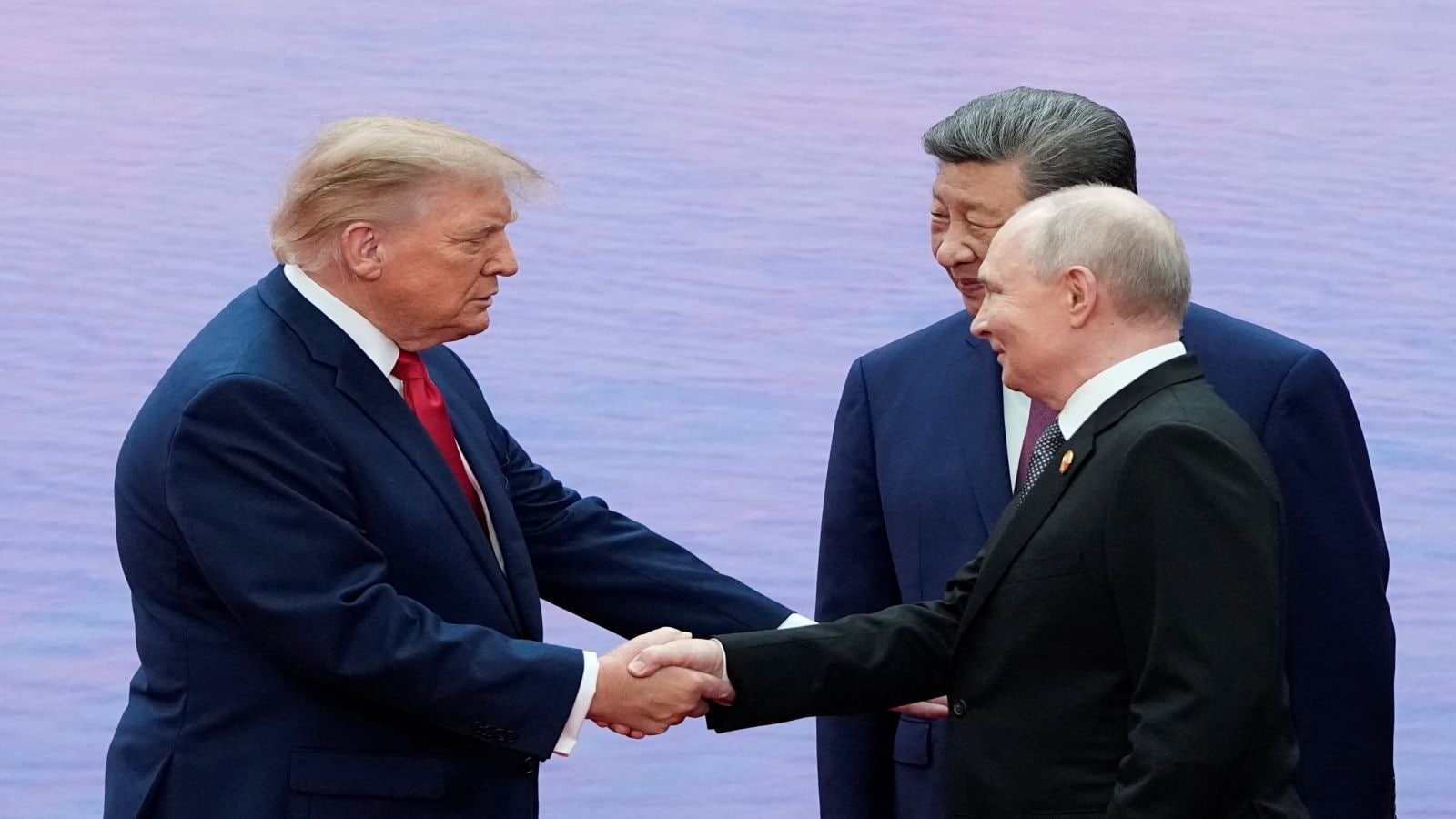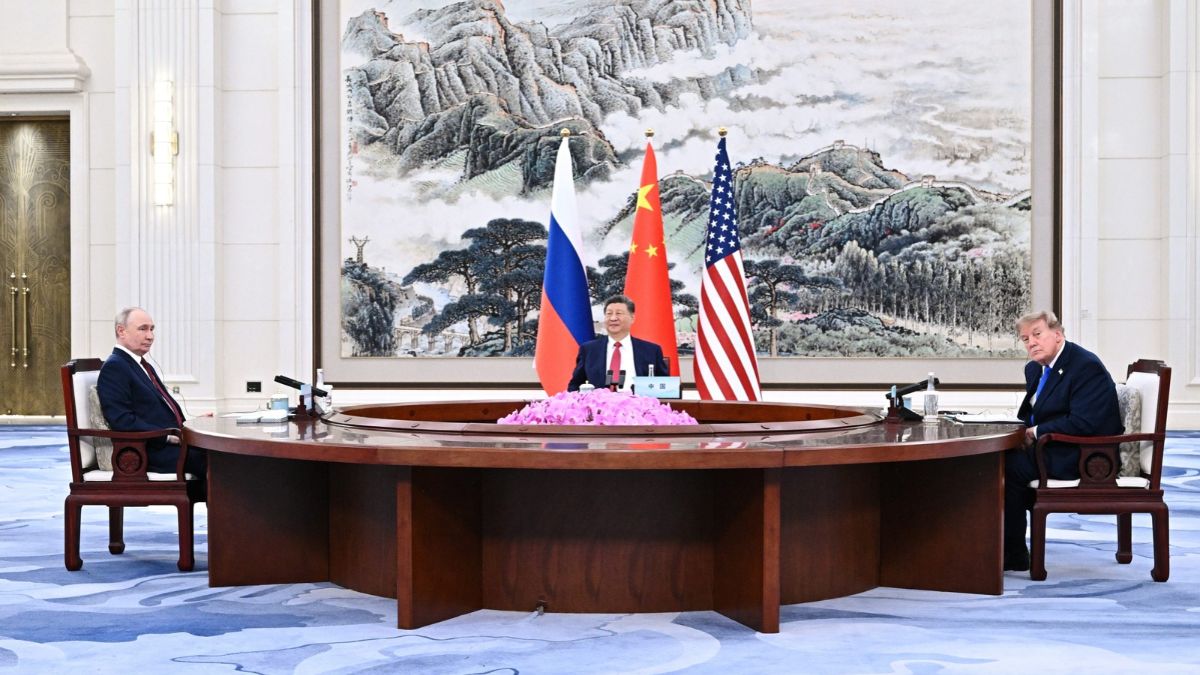
Body language readings of Donald Trump, Xi Jinping, and Vladimir Putin at a high-stakes summit rarely capture what actually happens in the room because cameras isolate fragments of posture while ignoring institutional choreography, cultural norms, and personal baseline habits. When analysts sort leaders into neat boxes of relaxed or rigid, they usually project a narrative onto fleeting physical cues that have multiple mundane explanations. A slumped shoulder can mean fatigue after a long-haul flight or a quiet calculation rather than dominance or submission. A stiff spine can reflect security protocols, heavy armor-plated seating arrangements, or years of counter-intelligence conditioning rather than fear.
Spend thirty years watching leaders step onto diplomatic carpets and you stop trusting single-frame theater. Real summit power rarely announces itself with a theatrical chest puff or a tight jaw for the pool cameras. It lives in who sets the agenda beforehand, who controls the interpreter lag, and what happens five minutes after the doors close to lenses.
Why Relaxed Versus Rigid is a Lazy Frame
Headline writers love a clean binary. Relaxed reads as confident and in control. Rigid reads as tense, defensive, or brittle. That shorthand sells clicks fast, especially when major global powers sit in the same orbit at a multilateral gathering like an APEC summit.
It is also analytically sloppy. Human posture is not a lie detector, and nonverbal behavior does not carry a universal dictionary across borders, generations, or security cultures. A gesture that reads as warm openness in one political culture can look careless or overly familiar in another. A controlled, motionless expression that a Western viewer labels rigid can be a deliberate mark of gravitas and composure in a different tradition.
Consider a hypothetical example of two diplomats sitting across from each other during a televised photo opportunity. Diplomat A leans back slightly with an easy smile and open palms. Diplomat B sits upright with hands resting flat on the table and minimal facial movement. An outside observer might conclude that Diplomat A holds the upper hand. Yet Diplomat B could simply have a bad lower back, a strict briefing from domestic hardliners back home, or an awareness that any loose grin will be clipped into an attack ad by morning.
Treating body language as a scoreboard turns complex statecraft into a parlor game. Worse, it flatters the viewer into thinking they can read minds through a compressed television feed.
The Mechanics of High-Stakes Summit Choreography
Multilateral summits are engineered environments. Nothing in a high-level bilateral pull-aside or trilateral hallway exchange happens by accident, even when aides stage it to look spontaneous.
Protocol officers measure distances in inches. They plan camera angles, chair heights, flag placements, door timings, and the exact moment pool photographers are ushered out. By the time three heavyweights stand near one another or take seats at a table, the room has already been shaped to serve domestic audiences as much as foreign counterparts.
Seating, Angles, and Camera Real Estate
Camera geometry creates illusions that do not exist in physical space. A telephoto lens compresses depth, making two people look closer or farther apart than they are. A low angle can make a stationary figure look imposing, while a high angle can make the same person look small or cornered.
Chair height and table width matter just as much. When leaders sit in deep armchairs, bodies naturally angle or recline differently than when they sit on firm upright chairs behind a narrow table. Posture follows furniture and sightlines long before it follows mood.
Interpreters, Earbuds, and Micro-Delays
Multilingual diplomacy runs on a lag. When leaders from the United States, China, and Russia interact without a shared first language, every exchange passes through translation, acoustic routing, or scripted talking points.
That delay changes physical timing. Someone listening intently through an earpiece or waiting on a rendered phrase often holds their face still so they do not step on the speaker or the interpreter. Western viewers frequently mistake that focused stillness for coldness or tension, when it is often just cognitive processing and turn-taking discipline.
Baseline Behavior Versus Summit Stress
A single snapshot tells you almost nothing without a behavioral baseline. Some leaders naturally gesture broadly with their hands when telling a story or pressing a point. Others keep their arms close to their torso and their expressions steady whether they are discussing trade tariffs, border disputes, or lunch menus.
Compare a leader's demeanor during a routine domestic speech with their demeanor during an unscripted multilateral encounter. If their shoulders stay high and their jaw stays tight even in friendly settings, tension at a summit may be their normal default rather than a reaction to the specific person standing next to them.
What Public Signals Miss About Power
Public optics are a front curtain. Real leverage in great-power negotiations rests on material realities, domestic political constraints, and information flows that cameras never record.
A leader can look completely relaxed in front of the press while facing acute economic pressure at home, supply-chain bottlenecks, or friction inside their own foreign ministry. Conversely, a leader can look tightly wound while holding strong cards on energy, manufacturing, commodities, or diplomatic veto power.
Domestic Audiences Drive the Optics
Summit footage travels fastest inside each leader's home media ecosystem. Every handshake, lingering gaze, refusal to shake hands, or brisk walk-past is immediately dissected by domestic commentators, rivals, and state or commercial outlets.
Sometimes a stiff posture is a message to home hardliners, signaling that no ground is being given away cheaply. Sometimes an easy, unbothered expression is aimed at domestic supporters who want to see their leader treat rivals as equals or subordinates rather than threats. Reading those cues solely as interpersonal chemistry between the men in the frame misses half the audience.
Security Conditioning Shapes Every Movement
Leaders at this level live inside permanent security bubbles. Decades of protective details, intelligence briefings, and threat assessments train people to monitor exits, crowd density, microphone placement, and camera blind spots.
Over time, hyper-awareness becomes muscle memory. A measured gait, a guarded torso, or a flat affect can be the residue of security conditioning rather than hostility toward the person across the aisle.
Four Checks Before You Trust Any Body Language Claim
Anyone watching summit coverage—whether a casual viewer, a communications strategist, or an analyst—can avoid falling for overconfident body language hot takes by running four basic checks.
- Check the wider frame: Look beyond the faces and hands to see who is standing, who is seated, where aides stand, and how long the clip actually runs before or after the cut.
- Check the baseline: Ask whether the posture or facial expression matches how that person normally looks on an ordinary day with friendly colleagues.
- Check the bottleneck: Factor in translation delays, audio earpieces, teleprompters, lighting glare, and physical fatigue across multi-day schedules.
- Check the incentives: Separate interpersonal rapport from political theater designed for domestic supporters, allies, or rival factions back home.
Why Over-Reading Cues Clouds Strategic Judgment
The real danger of turning body language into a primary analytical lens is not entertainment; it is bad forecasting. When commentators convince themselves that a stiff neck or a loose smile reveals hidden resolve or weakness, they start mistaking mood music for policy.
Diplomacy is built on interests, constraints, bargaining ranges, and credibility over time. A relaxed stance does not guarantee flexibility at the negotiating table, and a rigid stance does not guarantee deadlock. Watch the cameras for color and context if you want, then look at what changes on paper after everyone flies home.