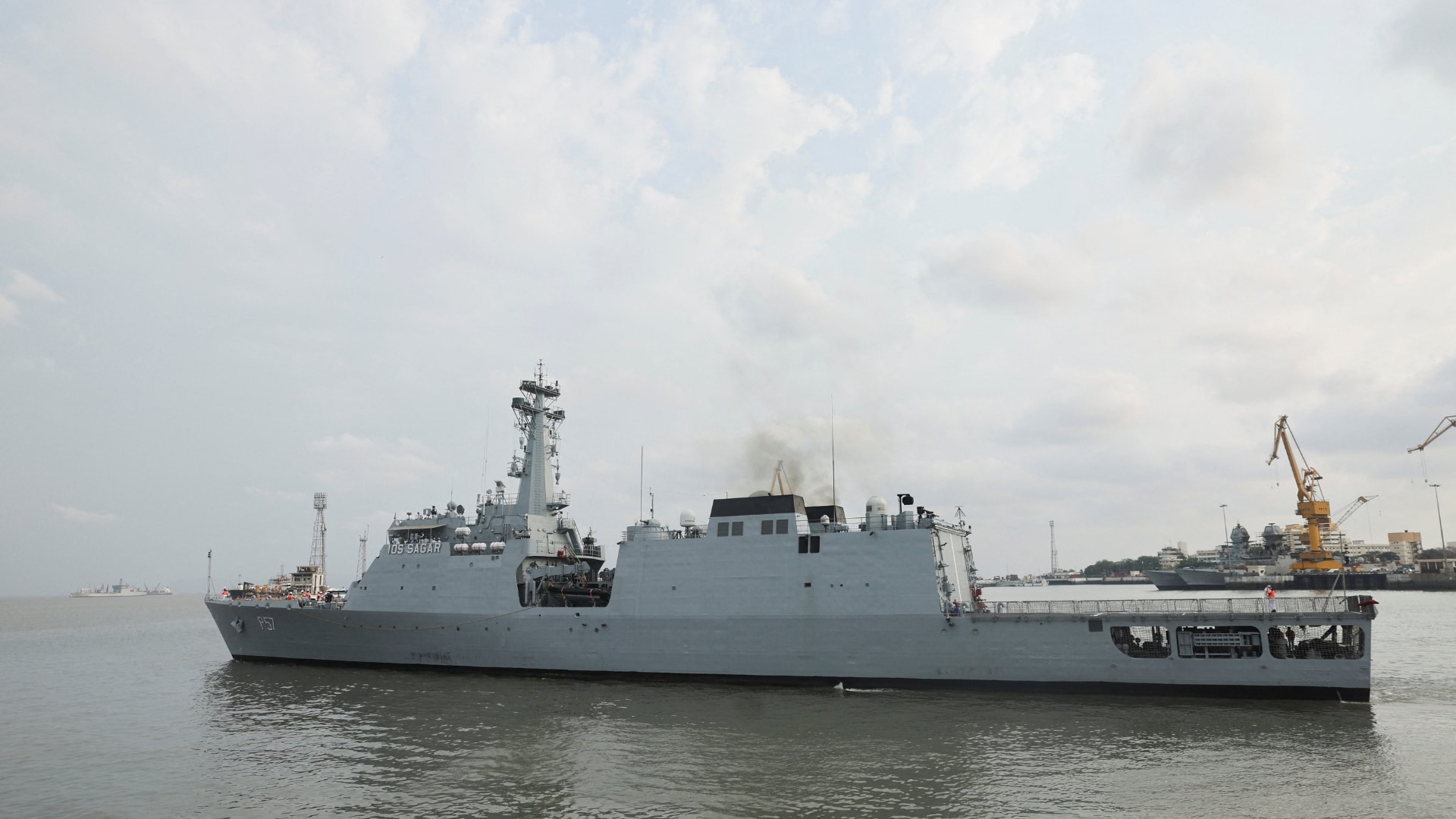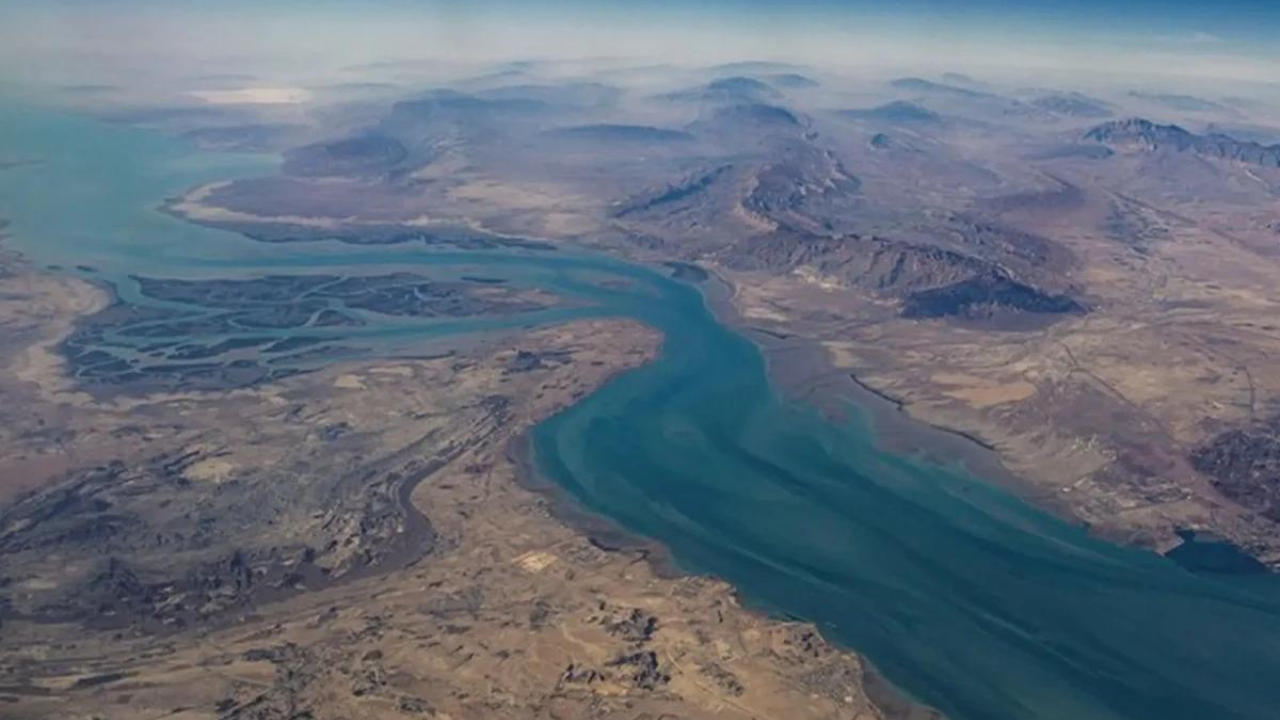
The Strait of Hormuz is not just a geographical bottleneck; it is a geopolitical trigger. When news broke of two more tankers sustaining damage in these narrow waters, the global markets reacted with a predictable, jagged spike in Brent Crude prices. However, looking at these incidents as isolated acts of maritime aggression misses the systemic reality. We are witnessing a calculated recalibration of risk where the target isn't the steel hull of a ship, but the fragile insurance and logistics network that keeps the modern world fueled.
The Strait serves as the artery for roughly 21 million barrels of oil per day. That is a fifth of global consumption passing through a passage that, at its narrowest point, offers only two miles of navigable shipping lanes in either direction. When a vessel is harassed or hit, the immediate fire on deck is secondary to the legal and financial firestorm that follows. Marine insurance premiums, specifically "War Risk" surcharges, have begun to climb at rates that threaten to make certain transit routes economically unviable for smaller independent operators.
The Mechanics of Shadow Warfare
Modern naval friction in the Middle East has moved away from the era of grand fleet engagements. Instead, we see the perfection of "gray zone" tactics—actions that sit just below the threshold of open war but high enough to disrupt commerce. The recent attacks utilize a combination of low-cost drone technology and limpet mines, tools that provide the attacker with plausible deniability while forcing the victim to spend millions in defense and investigation.
It is a lopsided math.
A drone costing less than a mid-sized sedan can effectively neutralize a Very Large Crude Carrier (VLCC) worth over $100 million. This asymmetry is the core of the current crisis. Traditional naval escorts, while imposing, are designed to fight other navies. They are significantly less effective at policing a swarm of small, fast-moving threats or detecting magnetic mines attached under the cover of darkness.
The Insurance Trap
When we talk about "the Middle East on edge," we are really talking about the boardrooms of London and Singapore. Lloyd’s Market Association’s Joint War Committee recently expanded the list of high-risk areas. This isn't just a clerical update.
- Additional Premium (AP): Owners must pay a specific surcharge for every 7-day period they spend in the Gulf.
- Deductible Spikes: Even if a ship isn't hit, the cost of being "near" a hit increases the baseline operating cost.
- Legal Limbo: Identifying the culprit is essential for insurance payouts. If an attack is deemed an "Act of War" versus "Terrorism" or "Criminal Damage," the payout structures change entirely.
This financial friction is the intended result of these maritime skirmishes. By making the Strait of Hormuz more expensive to navigate, regional actors exert pressure on Western economies without ever having to fire a shot at a NATO destroyer.
Why the Current Defense Strategy Fails
For decades, the answer to Gulf instability was "more hulls in the water." The United States and its allies have maintained a massive presence, yet the attacks continue. The failure lies in a fundamental misunderstanding of the adversary’s objective. The goal of the aggressor isn't to sink the ships; it is to demonstrate that the West cannot guarantee their safety.
Every time a tanker is boarded or struck while a multi-billion dollar carrier strike group is less than 100 miles away, the "Security Guarantee" offered by the U.S. Navy loses its luster. This creates a vacuum.
The Rise of Private Security and Dark Fleets
We are seeing a bifurcated shipping market. On one hand, you have the "White Fleet"—compliant, insured, and increasingly fearful of the Strait. On the other, the "Dark Fleet" or "Shadow Fleet" continues to operate with transponders turned off. These vessels often carry sanctioned oil and operate without standard P&I (Protection and Indemnity) insurance.
By increasing the risk for legitimate shipping, these attacks indirectly incentivize the growth of the shadow market. If the legal route becomes too expensive or dangerous, the temptation to move cargo via "gray" channels becomes irresistible for cash-strapped nations. This undermines the entire global regulatory framework for maritime safety and environmental protection. A spill from an uninsured, aging shadow tanker in the Strait would be a catastrophic event that no regional power is prepared to handle.
The Infrastructure Pivot That No One is Discussing
While the headlines focus on the ships, the real story is the desperate rush to build around the problem. Saudi Arabia and the United Arab Emirates have spent billions on pipelines intended to bypass the Strait of Hormuz. The East-West Pipeline and the ADCOP line are the physical manifestations of a lack of faith in maritime security.
However, these pipelines have limits.
- Capacity Constraints: Even at full tilt, existing bypass pipelines can only handle a fraction of the total volume currently moving through the Strait.
- Fixed Target Risk: A pipeline is a static target. It cannot change course like a ship.
- Refining Bottlenecks: Many of the world’s most advanced refineries are set up to receive specific grades of crude that are only accessible via the Gulf terminals.
The dependency on the Strait is a structural reality of the 21st-century energy grid. You cannot "innovate" your way out of geography overnight.
Energy Security is an Illusion
The most uncomfortable truth of this latest flare-up is that global energy security is currently a house of cards. We rely on the rational behavior of actors who often find more value in irrationality. If an actor feels backed into a corner by economic sanctions or internal unrest, the "nuclear option" isn't a weapon—it's the closure of the Strait.
Closing the Strait doesn't require a blockade. It only requires the sinking of two or three large vessels in the main shipping channel. The resulting salvage operation and the surge in insurance rates would effectively shut down the passage for weeks, if not months. The global economy, already grappling with inflation and supply chain fragility, would face an oil price shock that would make the 1970s look like a minor market correction.
The Technological Gap
We are currently bringing 20th-century solutions to a 21st-century problem. The naval response is still focused on heavy "kinetic" power. What is actually needed is a massive investment in:
- Subsea Surveillance: Detecting divers and unmanned underwater vehicles (UUVs) before they reach the hull.
- Electronic Warfare: Jamming the signals of the drones that have become the preferred weapon of harassment.
- Real-time Transparency: Using satellite imagery and AI-driven behavior analysis to identify "hostile intent" in small craft before they get within striking distance.
Until the technological edge shifts back to the defender, the Strait will remain a playground for low-cost, high-impact disruption.
The End of the Era of Safe Passage
The assumption that the world’s oceans are a "global common" where anyone can trade freely is dying. We are entering a period of "fortress shipping." In this new era, your ability to trade depends entirely on your ability to defend your cargo or your willingness to pay the extortionate "risk tax" imposed by those who control the narrows.
The attacks on these two ships aren't just news items. They are the latest data points in a trend line that points toward a more fragmented, more expensive, and far more dangerous global market. The "edge" the Middle East finds itself on is not a temporary state of affairs. It is the new baseline.
The real question isn't when the tension will subside, but how much the world is willing to pay to keep the oil flowing through a gauntlet that is increasingly rigged against the merchant. Every ship that passes through the Strait now carries a silent, invisible cargo: the weight of a geopolitical gamble that the next explosion won't be the one that finally breaks the system.
Move your capital into regional midstream infrastructure or prepare for the permanent volatility of the sea lanes.