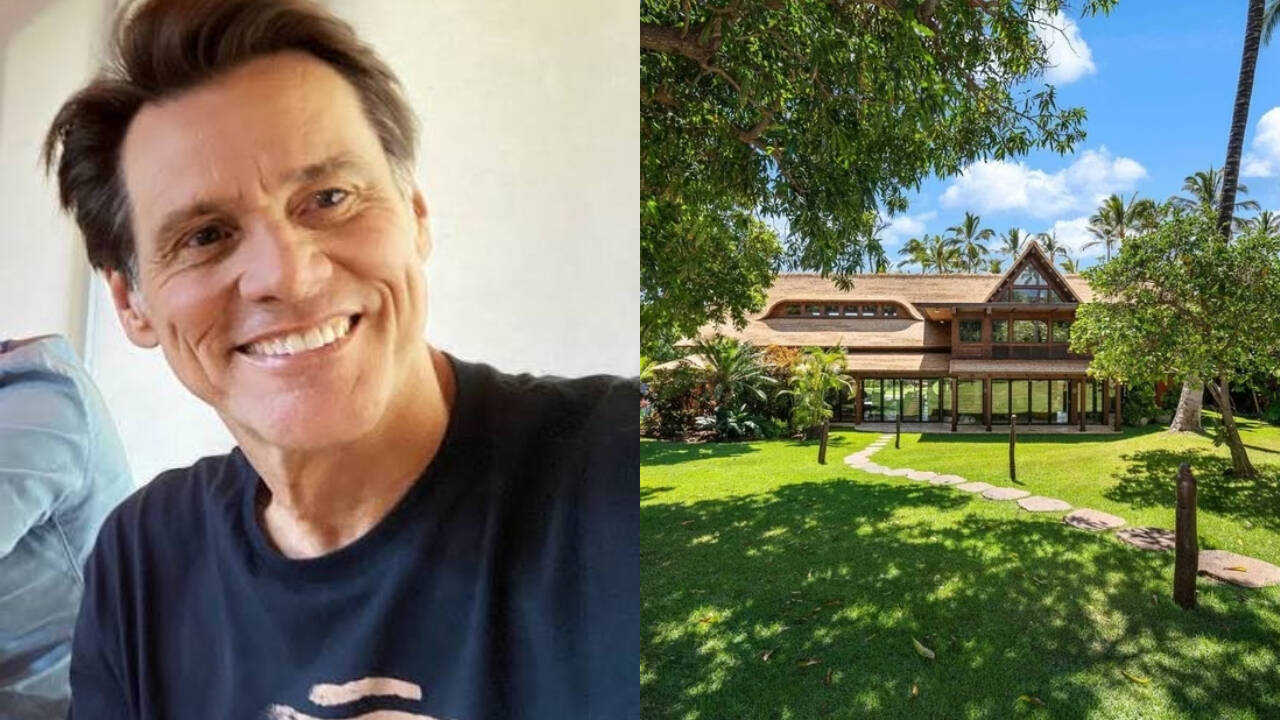
Jim Carrey found a buyer for his $35 million Maui oceanfront estate in just a few weeks. That kind of speed at eight figures isn't normal. Most ultra-luxury listings sit around collecting dust while sellers test optimistic prices.
In early October 2026, Carrey put his nearly one-acre Keawakapu Beach compound on the market for $35 million—more than double the $16.5 million he paid for it back in 2016. By early November, Realtor.com reported the listing had moved to pending status. Final closing numbers haven't been made public yet, so we don't know if he got full ask or shaved a little off. Either way, going under contract in under a month says a lot about both the property and the current luxury buyer pool.
Honestly, this move feels like the closing chapter on Carrey's old life rhythm. Around the same time the listing hit, news broke that he had married his partner, Min Ah, in a private Los Angeles ceremony. Selling a longtime island retreat right after a big personal milestone is classic Carrey—decisive, low-drama, and slightly unpredictable.
Inside the Keawakapu Beach Compound
You don't stumble onto 170 feet of ocean frontage along Keawakapu Beach every day. Oceanfront land on Maui is tightly constrained by geography, zoning, and environmental rules, which gives true beachfront parcels a scarcity premium that inland luxury homes simply can't fake.
Built in 2002 and designed by the architecture firm Ike Kligerman Barkley, the two-house property blends indoor-outdoor coastal living with natural textures. Think Douglas fir framing, woven bamboo finishes, and thatched roofing elements rather than sterile marble mega-mansion clichés. Listing details highlight roughly 4,717 square feet of interior space on around 0.96 acres, complete with a chef's kitchen featuring two large islands, a primary suite with floor-to-ceiling windows and a suspended bed, and a pool tucked into the grounds.
It's being sold turnkey—fully furnished and ready for someone who wants a private Hawaiian escape without spending two years managing contractors. Listed through Blake Hill at Hawaii Life, the pitch leans heavily on privacy, architectural character, and direct beach access.
- Scarcity matters more than square footage: At $35 million, buyers aren't counting drywall; they're buying unrepeatable shoreline access on a high-demand island.
- Turnkey convenience wins: High-net-worth buyers often pay up for move-in-ready estates with curated furnishings already in place.
- Design identity sets a ceiling or a floor: Warm, bohemian-coastal architecture appeals strongly to a specific buyer rather than everyone—which is why finding the right buyer fast is such a big deal.
Why This Exit Looks So Different From Brentwood
If you've followed Carrey's real estate moves over the last few years, the contrast with his Los Angeles sale jumps right off the page.
In Brentwood, he bought an estate in 1994 for $3.8 million. When he listed it in early 2023 at $28.9 million, reality pushed back. He had to cut the price multiple times over more than a year before finally selling it in 2024 for $17 million. Even after a massive gain from his 1990s purchase price, the gap between initial ambition and final market clearing price was wide.
Why did Maui move so much faster than Brentwood? Three reasons stand out:
- Irreplaceable land supply: Big lots with direct ocean frontage on Maui are genuinely scarce, whereas trophy homes in Los Angeles compete against dozens of other ultra-luxury listings at any given moment.
- Lifestyle positioning: For years, Carrey talked about stepping back from Hollywood's grind and living a quieter life filled with painting, reading, and calm days. That narrative fits an island sanctuary naturally.
- Price anchoring: Doubling a 2016 purchase price ($16.5 million to $35 million) over a decade with a major remodel in between feels aggressive on paper, yet in coastal Hawaii real estate, ten years of appreciation plus scarcity can pull serious buyers to the table quickly.
Still, let's be clear about what we don't know. "Pending" does not guarantee every deal closes cleanly at full asking price. Inspections, financing, Hawaii property taxes, and local transfer dynamics can all affect final terms before escrow wraps. Anyone claiming Carrey pocketed a neat $18.5 million profit is jumping ahead of the recorded closing numbers.
What Celebrity Sales Get Wrong About "Quick Flips"
Whenever a celebrity finds a buyer fast, headlines love to frame it like a magical windfall. In practice, ten years isn't a quick flip—it's a long-term hold.
Over a decade, holding a high-end oceanfront property comes with steep carrying costs: property taxes, insurance, salt-air wear and tear, landscaping, and maintenance. Coastal weather in Hawaii is gorgeous, sure, but salt and humidity test materials constantly. A 2018 remodel helps keep things sharp, yet ongoing upkeep on a beachfront estate never really stops.
There's also a common misconception that celebrity provenance automatically adds millions. Sometimes it helps get eyeballs on a listing fast. Other times, buyers couldn't care less who owned the place—they just care about views, privacy, beach access, and whether the structure is sound. In Maui's luxury tier, the dirt and the shoreline carry the weight.
Practical Takeaways If You're Watching Luxury Markets
You don't need $35 million to pick up useful lessons from how this deal unfolded. Whether you're tracking celebrity estates, investing in coastal property, or pricing your own home, a few habits separate smart moves from wishful thinking:
- Watch days on market and price cuts, not just list prices: An initial asking price is a pitch, not a valuation. Watch how quickly a property goes pending and whether sellers are forced to trim price.
- Separate land scarcity from trendy finishes: Decor changes; shoreline, views, and lot constraints rarely do.
- Factor in full holding costs: When calculating long-term returns on any second home or vacation property, subtract taxes, insurance, and annual maintenance before celebrating paper gains.
- Wait for public closing records before calling winners: Pending status shows serious buyer interest, while recorded deeds tell the real story on final price.