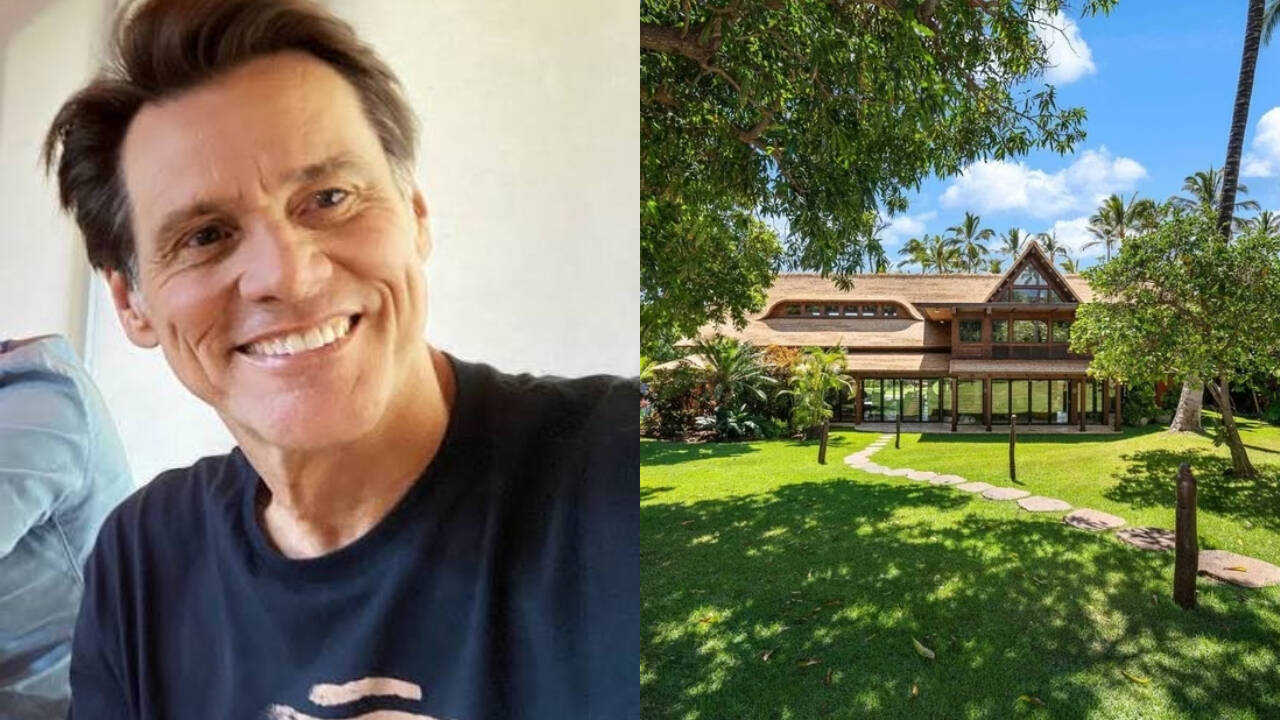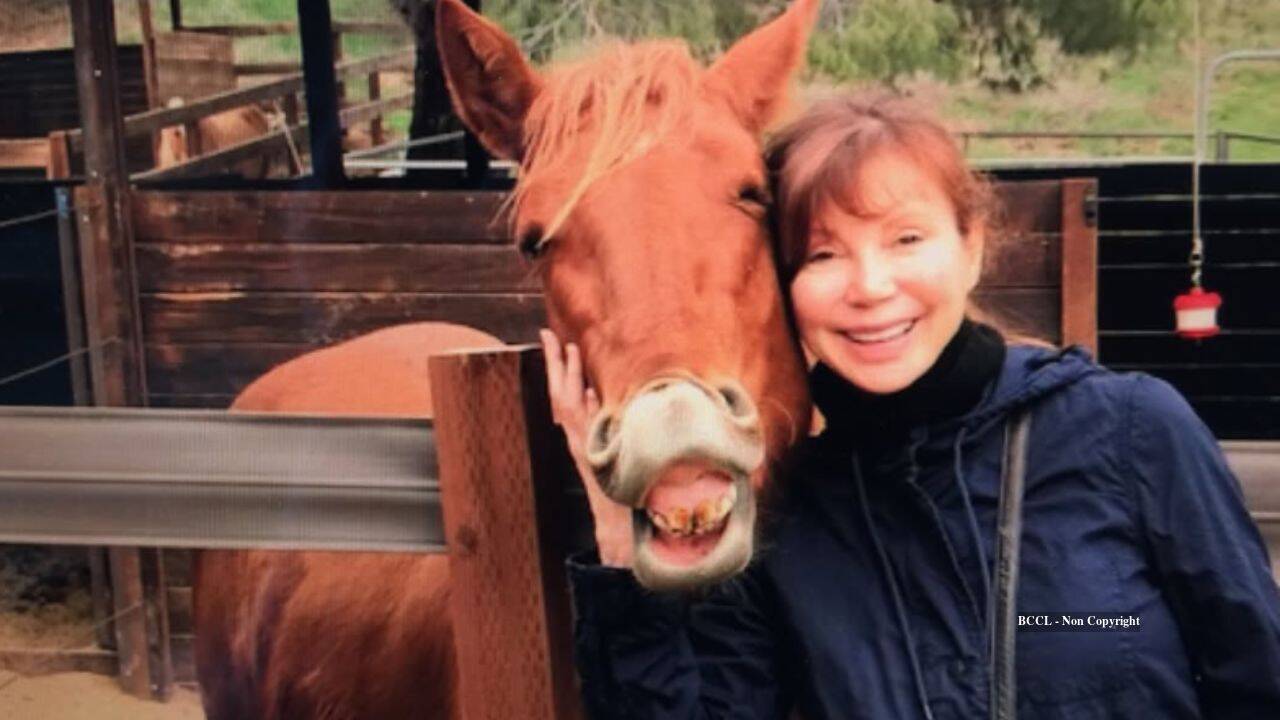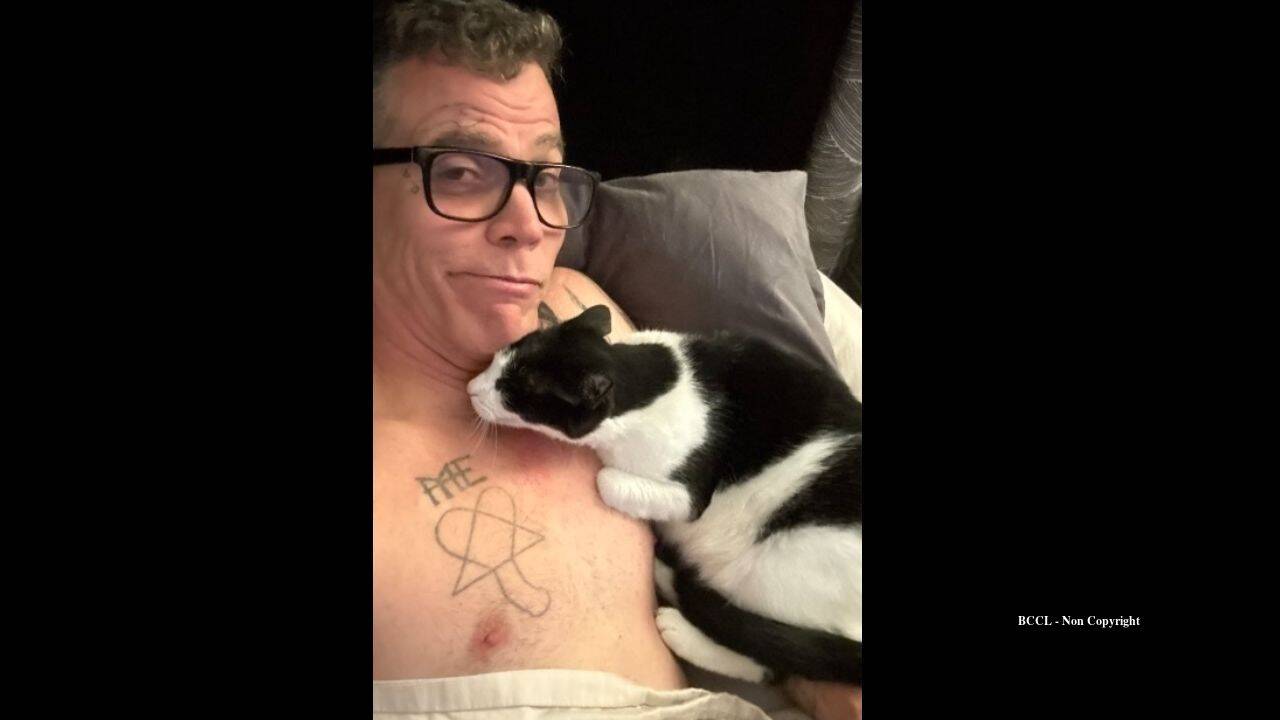
Most celebrities buy massive country estates for privacy, tax breaks, or a quiet place to ride out retirement. Steve-O bought 44 acres in Tennessee so a bunch of abandoned pigs, goats, dogs, and farm animals wouldn't end up dead.
If you only know Stephen Glover from the early 2000s, this sounds like a bizarre plot twist. Back then, the Jackass star was famous for stapling his own skin, snorting wasabi, and surviving some of the darkest substance abuse spirals in Hollywood history. He wasn't exactly the poster child for peaceful rural stewardship. Yet over the past several years, Steve-O has poured his stand-up comedy money, podcast revenue, and personal time into building a permanent animal sanctuary outside Nashville.
Honestly, it makes complete sense once you look at how he got here.
The Road From Los Angeles Chaos to Rural Tennessee
Steve-O didn't wake up one morning and randomly decide to become a farmer. His obsession with animal welfare started years ago during one of the most famous segments of his life—a 2018 trip to Peru where he adopted a stray street dog named Wendy.
Wendy changed everything. Anyone who follows his Wild Ride! podcast or social media knows that dog went everywhere with him, from tour buses to comedy green rooms. When you spend years taking care of a street dog that nobody else wanted, you start noticing all the other animals falling through the cracks.
Los Angeles wasn't built for that kind of mission. You can't rescue pot-bellied pigs, retired farm animals, and multiple large dogs on a standard Hollywood Hills lot without zoning nightmares and angry neighbors. By 2023 and 2024, Steve-O and his fiancée Lux Wright realized they needed actual acreage—land where animals could roam without noise complaints or city ordinances getting in the way.
Middle Tennessee offered exactly what Southern California couldn't. They found a 44-acre property in the rolling hills outside Nashville, packed up their life in LA, and traded Hollywood traffic for mud, fencing, and feed schedules.
Why 44 Acres Matters More Than You Think
People hear "44 acres" and picture a sprawling luxury compound. In reality, when you're running an animal sanctuary, 44 acres disappears fast.
Livestock and rescued farm animals require serious rotational grazing so they don't destroy the pasture down to dirt. Pigs root up everything in sight. Goats will test every single weak spot in a fence line within ten minutes of being turned loose. Dogs need secure, double-gated runs so a startled rescue doesn't bolt into the woods.
Having that much land means Steve-O and Lux can separate species safely, quarantine new arrivals before introducing them to the main herd, and let older, arthritic animals live without being bullied by younger ones.
What Life Actually Looks Like on Steve-O's Ranch
Forget the glossy magazine version of celebrity farm life. Taking care of dozens of rescued animals is unglamorous, expensive, and relentless.
On the Tennessee property, the resident roster includes rescued pigs, goats, dogs, and other barnyard misfits that had nowhere else to go. Many of these animals come from neglect situations, overcrowded shelters, or owners who bought a "teacup pig" without realizing it would grow to 200 pounds.
Here's what most people don't realize about running a private sanctuary:
- Vet bills never stop. Farm veterinarians don't come cheap, especially when you're dealing with animals that spent their early lives malnourished or injured. Spaying, neutering, hoof trimming, dental work, and emergency calls eat through thousands of dollars a month.
- Feed and bedding are constant expenses. Hay, specialized pig pellets, grain, and winter straw add up fast across 44 acres, especially when Tennessee winters hit and pastures go dormant.
- There are no days off. You can't hit pause on feeding time because you have a hangover or a late flight home from a comedy gig. When Steve-O is on the road touring, Lux and trusted caretakers hold down the fort. When he's home, he's hauling feed and cleaning pens just like everyone else.
The Misconception About Celebrity Animal Sanctuaries
A lot of fans assume Steve-O is running a public petting zoo where you can buy a ticket and take selfies with his pigs. He isn't.
A true sanctuary exists for the animals, not for foot traffic. Bringing busloads of strangers onto the property stresses out animals that already survived trauma and abandonment. Instead of turning the ranch into a tourist attraction, Steve-O uses his massive online platform—millions of subscribers across YouTube, Instagram, and TikTok—to fund the operation and raise awareness for adoption.
Every time he posts a video hanging out with his rescued pigs or talking about animal welfare on his podcast, it drives donations, merch sales, and ticket revenue that directly pay for hay and vet care. He essentially turned his comedy career into a funding engine for animals that couldn't survive on their own.
How Sobriety Made the Sanctuary Possible
You can't separate Steve-O's animal rescue work from his sobriety. He has been sober since March 2008, and if you've ever listened to him talk about recovery, you know he treats service to others as non-negotiable.
In active addiction, your entire world shrinks down to yourself and your next fix. Sobriety forces you to look outward. For Steve-O, stunts used to be the only way he knew how to feel alive or get validation. Over the last decade, channeling that obsessive energy into stand-up comedy, business ventures, and animal rescue gave him a purpose that didn't require breaking his own bones.
There's a weird symmetry to it. The guy who spent his twenties destroying his body for laughs is spending his fifties protecting vulnerable creatures from pain. It's not a PR stunt, either—you don't move across the country and buy 44 acres of pasture just for good press.
What You Can Learn From Steve-O's Approach to Animal Rescue
You probably don't have 44 acres in Tennessee or millions of YouTube followers. That doesn't mean you can't apply the exact same mindset to helping animals where you live.
If Steve-O's ranch inspires you to get involved, skip the impulse-buy pet store route and start with practical moves that actually save lives:
- Adopt adult and special-needs animals. Puppies and kittens get adopted in hours. Older dogs, bonded pairs, and animals with minor medical issues sit in shelters for months.
- Research before bringing any farm animal home. Pot-bellied pigs live 15 to 20 years and require specialized zoning, fencing, and veterinary care. Never take one on unless you have the land and budget for the long haul.
- Support local, accredited sanctuaries directly. Look up smaller, non-profit animal sanctuaries in your state and set up a small recurring monthly donation—even $15 a month helps cover feed bags and basic meds.
- Foster before you commit. If you aren't sure you can handle another full-time pet, sign up to foster through a local rescue group. You give an animal a safe place to decompress while freeing up shelter space for the next emergency intake.
Go look up a local sanctuary or municipal shelter in your area today, check their supply wishlist, and send over a bag of feed or sign up for a volunteer shift this weekend.