Commercial shipping lanes through the Persian Gulf thought they had caught a break. They were wrong.
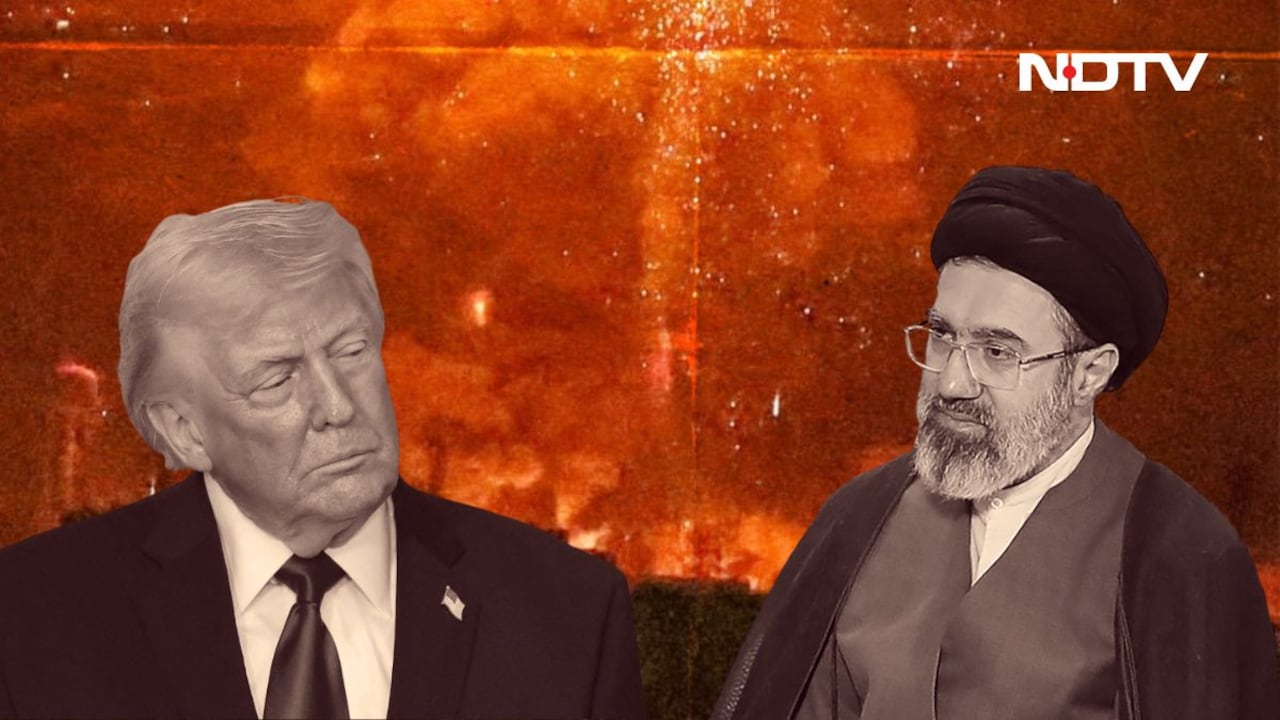
American forces launched precision strikes against two Iranian rocket launchers stationed on Larak Island. This military action shattered a month-long lull in direct engagements between Washington and Tehran. If you thought the six-month-old conflict was quietly winding down into a diplomatic stalemate, Sunday's explosions proved otherwise.
Why Larak Island Matters Right Now
Geography dictates the stakes here. Larak Island sits perilously close to the narrowest choke point of the Strait of Hormuz. Central Command forces caught Islamic Revolutionary Guard Corps personnel preparing to load rockets with sea mines.
The timing tells a clear story. Just days prior, the US military proudly announced it had finished clearing out lingering sea mines from international shipping lanes in the strait. President Donald Trump laid down a strict red line, warning that any watercraft caught dropping new mines would face immediate destruction.
When satellite and aerial reconnaissance spotted the Revolutionary Guards setting up launchers to defy that warning, Washington didn't wait around for permission. The strike neutralized the immediate threat, but it instantly reignited regional volatility.
The Shift From Bombs to Economic Squeeze
Most observers missed the strategic pivot happening behind the scenes. Before these latest strikes, the White House had largely paused heavy aerial bombardment campaigns. Instead, officials leaned hard into economic warfare.
Treasury Department initiatives aimed to squeeze Tehran's remaining financial lifelines. Secondary sanctions targeted entities continuing trade with the regime. Officials hoped financial strangulation would force Tehran to capitulate without requiring thousands of US troops to stay locked in a high-intensity combat rotation.
Yet military realities keep crashing through economic plans. You can't blockade a crucial energy corridor while ignoring active missile sites aimed at commercial tankers. About one-fifth of global oil and liquefied natural gas passes through this specific waterway. Every time a launcher gets rolled onto Larak Island or Qeshm, global energy markets twitch. Oil prices spiked past ninety dollars a barrel immediately following the news, proving that traders refuse to buy into the narrative of a peaceful resolution.
The Cost of a Slogging Stalemate
Military planners on both sides are feeling the strain. Pentagon leadership has privately warned that maintaining the current operational tempo strains munitions stockpiles and forces grueling extensions for deployed units. For instance, elements of the 82nd Airborne Division face extended tours as the footprint in the Middle East hovers around 50,000 personnel.
Meanwhile, Tehran absorbs massive economic damage while refusing to bow. State media in Iran quickly condemned the Larak Island operation, reporting casualties among military personnel and civilians and vowing severe retaliation. True to form, Iranian forces responded swiftly by launching ballistic missiles targeting US-operated airbases in Jordan. While defense systems intercept the majority of incoming projectiles, the tit-for-tat cycle remains unbroken.
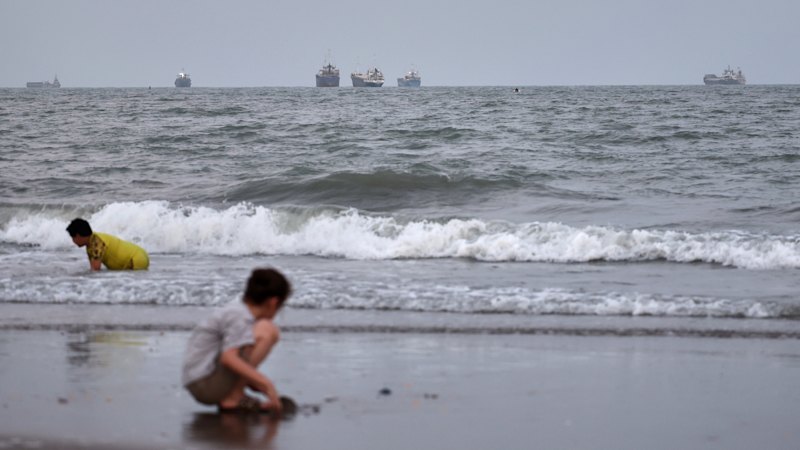
Navigating this environment requires looking past optimistic diplomatic readouts. The Strait of Hormuz is open on paper, but commercial traffic remains a fraction of its pre-war volume as insurance rates soar and shipowners judge the route too hazardous.
Expect more friction. As long as Iran retains asymmetric capabilities like mobile rocket launchers and sea mines, Washington will feel forced to strike preemptively. Keep a close eye on shipping insurance rates and regional air defense alerts rather than political speeches if you want to gauge where this conflict goes next.