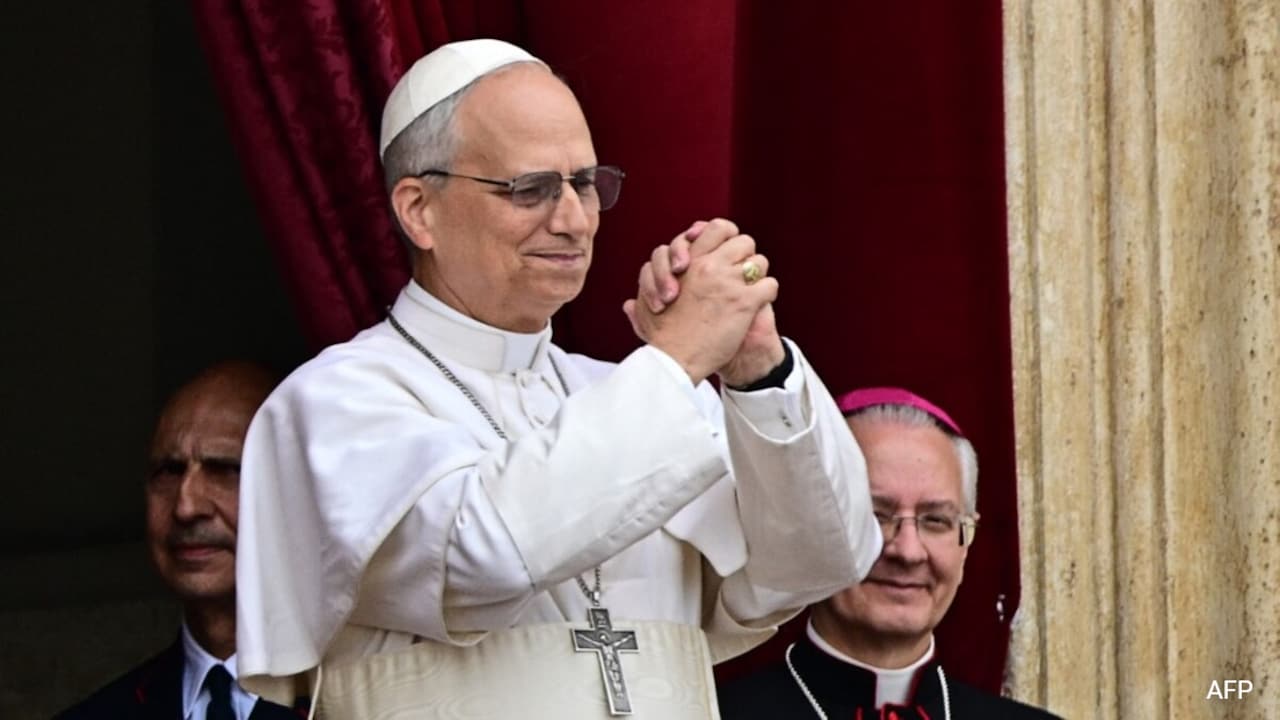
The operational continuity of an absolute monarchy depends entirely on the biological and cognitive endurance of its sovereign executive. When Pope Leo XIV underwent a lower lobectomy of the right lung at Rome's Gemelli Hospital to excise a localized adenocarcinoma, the event triggered immediate institutional stress testing across the Vatican administrative apparatus. Deconstructing the mechanics of this medical intervention and its aftermath requires analyzing the intersection of oncological recovery, pulmonary physiology, and papal governance models.
A right lower lobectomy removes approximately twenty to twenty-five percent of total lung parenchyma. The primary physiological challenge post-resection is not immediate survival, which boasts high success rates when tumors are localized, but the subsequent optimization of gas exchange and systemic fatigue management during high-altitude travel or strenuous public engagements. Medical evaluations confirmed that the disease was entirely localized, requiring no adjuvant chemotherapy or radiation therapy. Consequently, the physiological bottleneck shifted from oncological management to metabolic recovery and the body's compensatory mechanisms for maintaining arterial oxygen saturation.
Unlike his predecessor, Pope Francis, whose prolonged respiratory crises involved chronic bronchitis and bilateral pneumonia, Pope Leo's surgical intervention was elective, proactive, and executed upon the incidental discovery of a pulmonary nodule during a routine evaluation. This distinction alters the institutional risk profile. Preventive resection of a localized stage-one adenocarcinoma presents a predictable healing curve, enabling rapid mobilization. Medical bulletins indicated that the pontiff was capable of managing normal daily activities independently within days of the procedure, allowing for a compressed recovery timeline before international travel commitments.
The geopolitical and administrative ramifications of executive health crises in the Holy See are governed by Canon Law, specifically concerning potential long-term incapacitation. Prior to entering surgery, Pope Leo opted against issuing a provisional letter of resignation or drafting pre-emptive legal instructions for scenarios involving irreversible cognitive impairment or extended comatose states. This decision breaks with the contingency frameworks discussed or implemented during prior pontificates. By maintaining absolute executive continuity without a designated contingency trigger, the Vatican administrative structure relies entirely on the sovereign's rapid physical rehabilitation.
Strategic deployment of the papacy following major surgery involves balancing public visibility with rigorous physiological constraints. The subsequent international itinerary—encompassing multiple flights and high-altitude engagements in South America—served as an empirical stress test for pulmonary capacity. Medical protocol for post-lobectomy travel mandates strict monitoring of oxygenation thresholds and controlled fatigue management, turning routine diplomatic tours into managed physical endurance trials.
The long-term trajectory of this pontificate will be defined by the calculus between institutional reform and biological endurance. By publicly demonstrating rapid recovery and refusing to institutionalize premature resignation protocols, the executive has signaled a commitment to a standard governance timeline, prioritizing immediate administrative stability over contingency bureaucracy.
Fubu Toy review
This video provides a news broadcast detailing the medical updates and public disclosures regarding the pope's lung surgery from official Vatican sources.