History doesn't always unfold in grand parliamentary halls. Sometimes, it starts in the back of a bus in Durban, driven by a man whose family would navigate the suffocating confines of South Africa’s apartheid regime.
When Navanethem "Navi" Pillay was awarded the Nobel Peace Prize, headlines quickly recycled the familiar narrative of the bus driver’s daughter who took on the system. But that label undersells the sheer grit required to survive a legal landscape rigged against you. Pillay didn't just break barriers. She dismantled them with a gavel, a law degree, and an uncompromising stubbornness that unnerved autocrats on multiple continents.
The Early Fight Against Apartheid
Growing up in Clairwood, Durban, in a family of Indian Tamil descent, Pillay watched the structural machinery of racial segregation choke everyday life. Opportunities for non-white women in South Africa during the mid-20th century weren't just limited—they were practically non-existent.
She didn't wait for permission to change the rules. After earning her degrees from the University of Natal, she opened her own law practice in 1967, becoming the first non-white woman to do so in the province.
Her courtroom was a battlefield. She represented anti-apartheid activists, political prisoners, and dissidents targeted by the state security apparatus. She experienced harassment, professional isolation, and the constant threat of retaliation. Yet, she kept pushing. She understood that fighting a tyrannical legal system required beating it at its own game—demanding due process where tyrants wanted none.
Rewriting International Justice
Pillay's career didn't plateau with the fall of apartheid. Instead, she scaled up to the global stage, where her impact became monumental.
In 1995, she was appointed to the International Criminal Tribunal for Rwanda (ICTR), later serving as its president. It was here that she achieved what many career jurists only dream of: a paradigm shift in international humanitarian law. In the landmark Akayesu case, Pillay and her colleagues ruled that rape and sexual violence could constitute acts of genocide.
Think about that for a second. For decades, wartime sexual violence was dismissed by military commanders and cynical diplomats as an unfortunate "side effect" of conflict. Pillay helped codify it as a weapon of mass destruction aimed at communities and culture, forever altering how international courts prosecute war crimes.
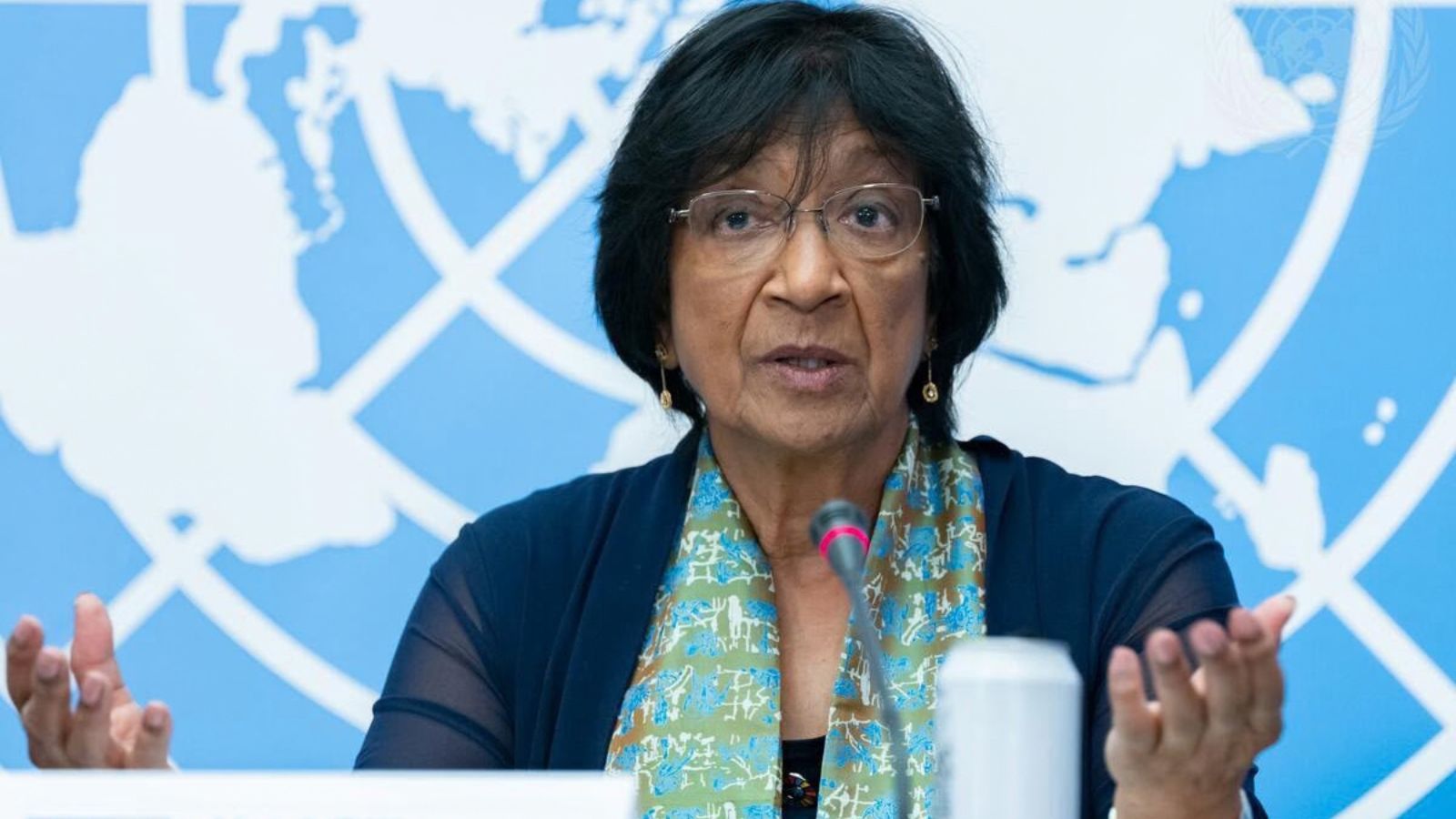
Her trajectory took her higher. She served as a judge on the International Criminal Court (ICC) and later spent six years as the United Nations High Commissioner for Human Rights, where she routinely irritated powerful nation-states by calling out human rights abuses wherever they occurred, refusing to play diplomatic favorites.
Why This Nobel Win Matters Right Now
The Norwegian Nobel Committee didn't award Pillay for nostalgia. They handed her the prize at a moment when global institutions of international law are under heavy political fire. From conflicts in the Middle East to authoritarian rollbacks across the globe, the rules-based international order looks fragile.
Critics from various political aisles have questioned or attacked decisions tied to her later investigative work, particularly her tenure leading the UN Commission of Inquiry on the Occupied Palestinian Territory. But that friction is precisely why her Nobel recognition is significant. Pillay has never sought comfort or consensus; she has pursued accountability.
When you look back at her journey from a segregated South African classroom to reading trial transcripts of the Nuremberg trials, a clear pattern emerges. Navi Pillay proved that international law isn't an abstract theory dreamed up by academics. It's a blunt instrument forged by ordinary people who refuse to let the powerful write their own immunity agreements.