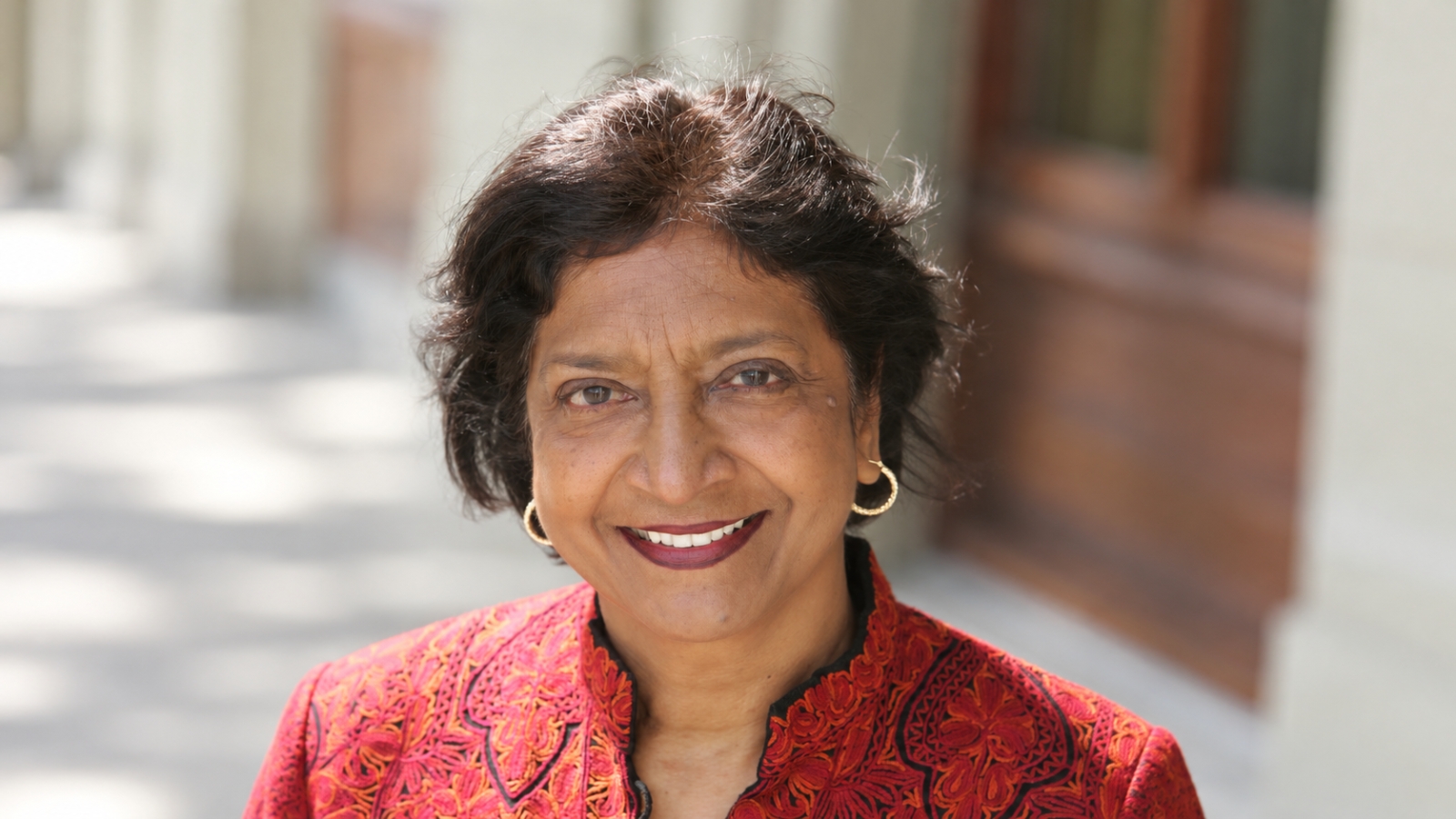
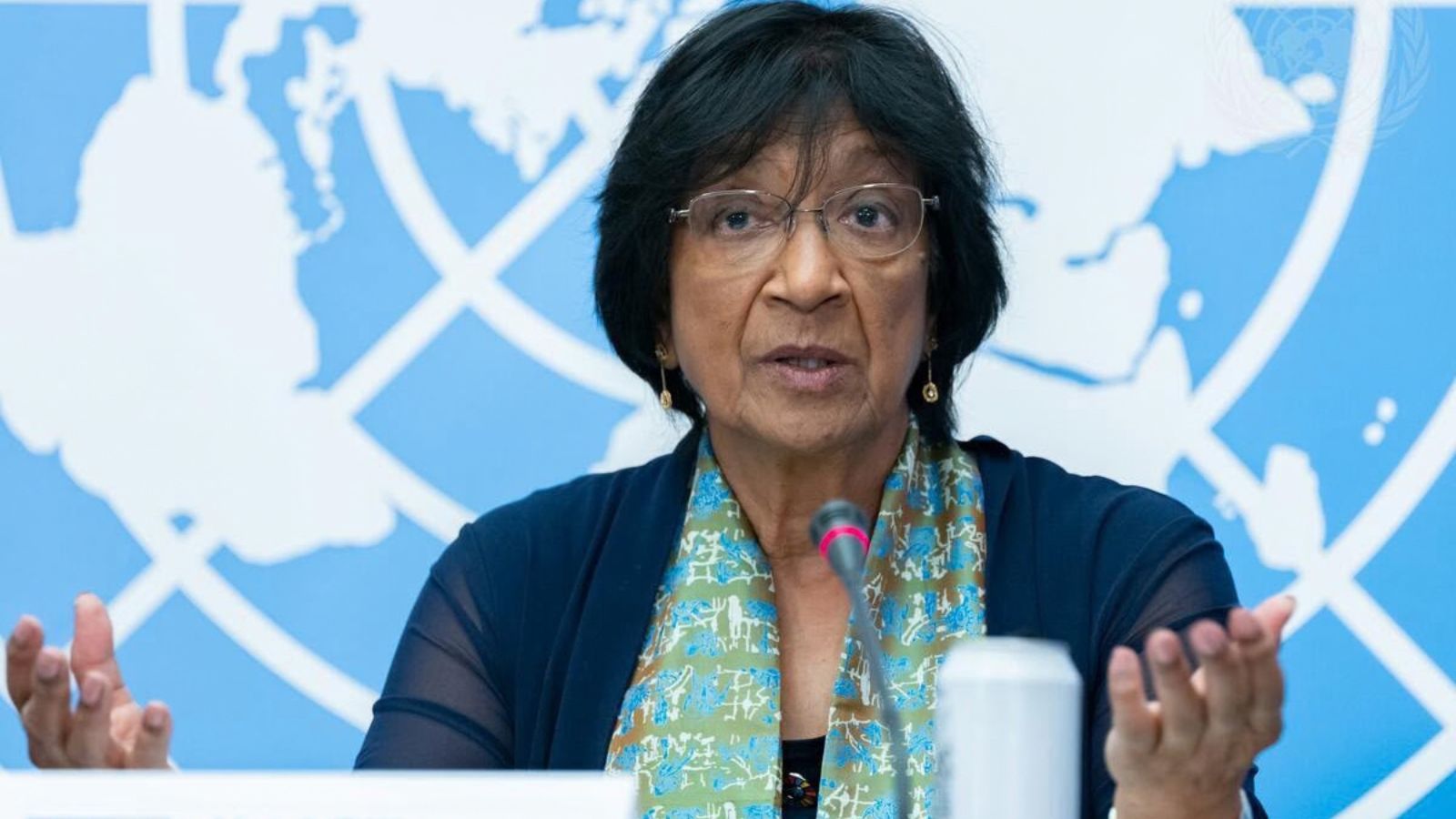
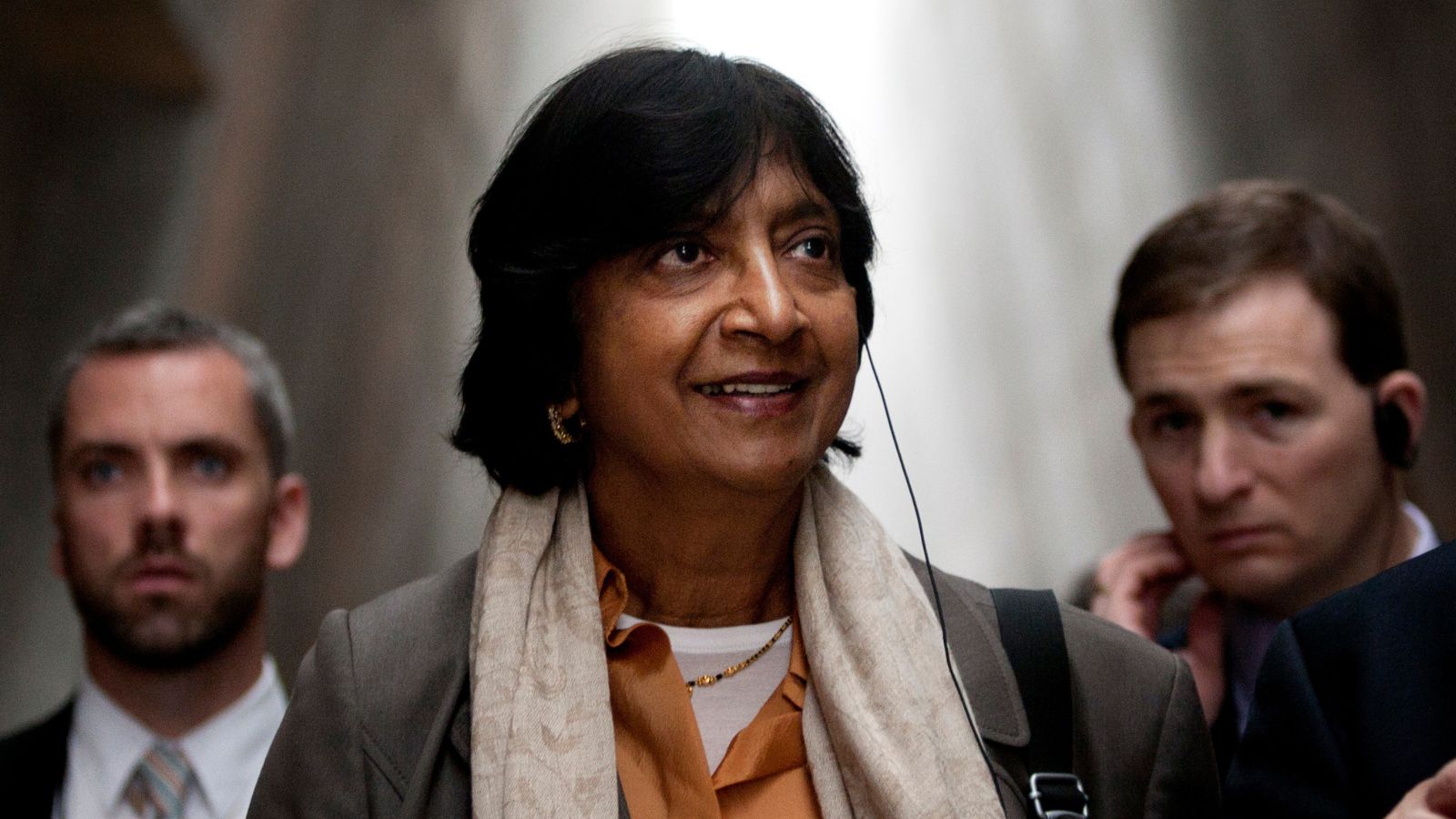
When Navanethem Navi Pillay learned she had won the Nobel Peace Prize, she was standing inside Courtroom 600 of the Nuremberg Palace of Justice. This was the historical room where Allied judges tried surviving Nazi leaders for crimes against humanity after the Second World War. The symbolism was heavy, almost theatrical, but for Pillay, a veteran jurist who has spent decades fighting impunity, the setting served as a stark reminder of how fragile global accountability has become. Awarded the prize for her relentless defense of international law, Pillay’s recognition is less a celebratory retrospective and more an emergency klaxon for a collapsing global order.
To understand why this award matters right now, look at the architecture she helped build. Long before she became the United Nations High Commissioner for Human Rights or an ad hoc judge at the International Court of Justice, Pillay was breaking barriers in apartheid-era South Africa as the first Black woman to open a law practice in Natal. She defended anti-apartheid activists, exposing the brutal machinery of a racist state from the inside. When she transitioned to international tribunals, her impact deepened. As president of the International Criminal Tribunal for Rwanda, she anchored a landmark legal shift by ruling that systematic rape and sexual violence could constitute acts of genocide. That ruling transformed international jurisprudence, ensuring that wartime sexual violence could no longer be dismissed as an unfortunate byproduct of conflict rather than a weapon of destruction. Meanwhile, you can explore related events here: The Unyielding Quiet of Navi Pillay.
Yet, the Norwegian Nobel Committee did not hand her this honor merely to applaud a storied resume. The timing of the prize exposes a deeper panic within international institutions. Across the globe, the rules-based order is fracturing under the weight of renewed militarism. Major powers routinely flout international rulings, threaten jurists with economic sanctions, and block investigations into war crimes. When courts attempt to issue arrest warrants or investigate state atrocities, they face immediate political retaliation and delegitimization campaigns.
Pillay herself experienced this frontline friction firsthand. Prior to receiving the prize, she chaired the UN Independent International Commission of Inquiry on the Occupied Palestinian Territory, producing rigorous findings on violations in Gaza that drew fierce political fire. Her supporters praised her unyielding adherence to facts, while detractors attempted to paint impartial legal findings as partisan bias. For the Nobel Committee, honoring Pillay was a direct pushback against this weaponized skepticism. It was a formal declaration that applying the law impartially requires courage precisely because powerful actors prefer absolute impunity. To see the bigger picture, check out the detailed report by USA Today.
The uncomfortable truth is that international law relies almost entirely on voluntary compliance and moral authority. It has no police force, no standing army, and no prison system of its own. When powerful states decide that national security overrides legal constraints, the entire structure wobbles. We see this erosion manifest in unchecked civilian casualties, the targeting of aid workers, and the systematic destruction of urban infrastructure in active conflict zones from Europe to the Middle East.
By elevating Pillay, the Nobel Committee is signaling that the alternative to international law is a return to a brutal Darwinian reality where the strong do what they wish and the weak suffer what they must. Her life's work demonstrates that institutional accountability is the only barrier protecting ordinary citizens from total lawlessness. Yet, honors and medals cannot arrest a dictator or compel a rogue state to halt a bombing campaign.
The prize honors an extraordinary jurist, but it also exposes the profound vulnerability of the courts she served. If the international community continues to hollow out the institutions designed to prosecute war crimes, the legacy we leave behind will not be peace, but a vacuum filled by endless war.