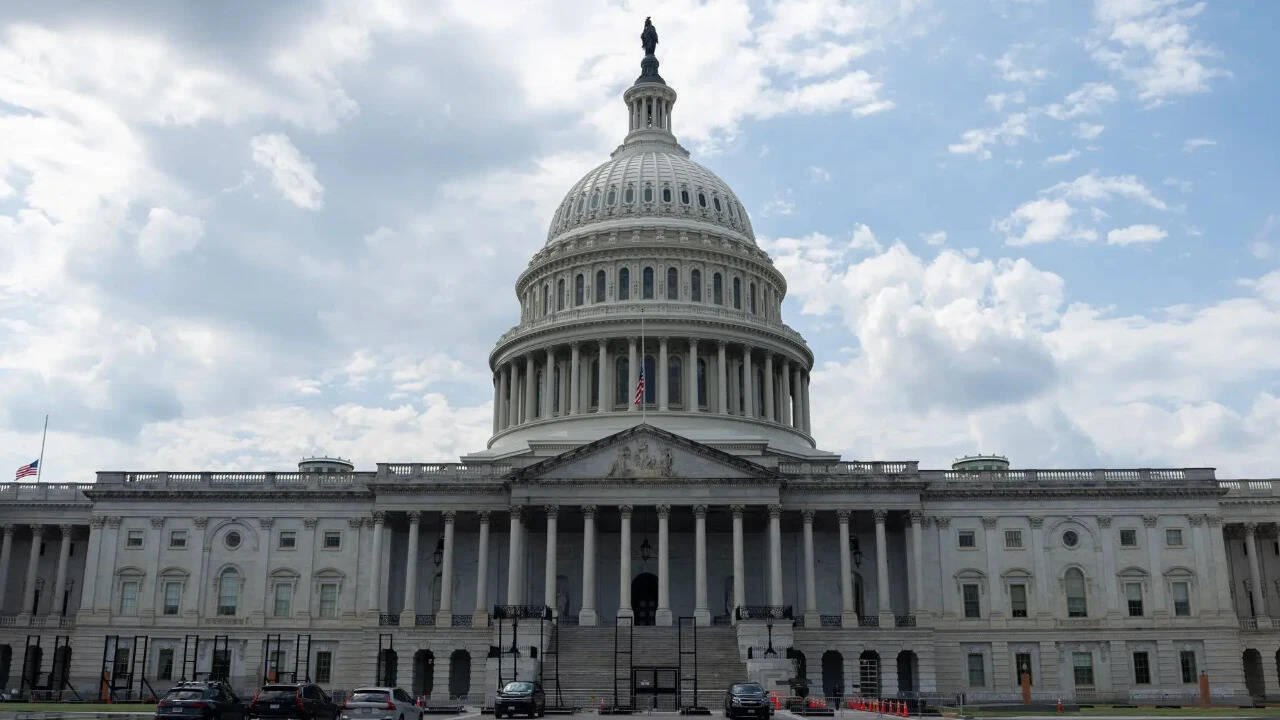
The hum of a cooling fan inside a cabinet housing digital entertainment usually belongs to a basement recreation room, an adolescent hangout, or a crowded pub on a Friday night. It smells of hot plastic, stale carpet, and the faint metallic tang of copper coins. But inside the most heavily guarded executive mansion in the world, that exact sound recently triggered a very different kind of static.
Reports surfaced from the West Wing detailing the installation of recreational arcade games, specifically featuring a title bearing the provocative phrase "Build The Wall." Building on this idea, you can find more in: Portland Forest Park Power Project The Economics of Ecological Tradeoffs.
Reaction was swift. Eyebrows arched across cable news studios. Critics called it tone-deaf. Defenders shrugged it off as harmless downtime for a stressed staff. Yet, beneath the immediate political flashpoint lies a stranger truth about how power chooses to amuse itself.
Arcade cabinets are not neutral furniture. They are physical manifestations of cultural combat, historical memory, and competitive instinct wrapped in plywood and glowing bezels. When a quarter drops into a slot, a contract is signed between the player and the machine: win, lose, or high-score chase, the rules are absolute. The machine does not negotiate. The machine does not care about polling numbers. Observers at BBC News have provided expertise on this situation.
Consider a hypothetical policy analyst named Marcus, working the midnight shift inside the Eisenhower Executive Office Building. His eyes are raw from reading three-hundred-page appropriations bills. His coffee is cold. He walks down a dimly lit corridor, hears the familiar, inviting chirp of an eight-bit MIDI melody, and stops. For sixty seconds, his brain stops calculating budget deficits and starts calculating the trajectory of a pixelated brick.
This is the psychological escape hatch.
Power is exhausting. The people who inhabit the apparatus of statecraft live in an ecosystem of perpetual friction. Every memo is scrutinized. Every sentence uttered before a camera is dissected by algorithms and pundits. In that environment, the arcade cabinet offers a rare, seductive illusion: absolute control.
When a game is labeled "Build The Wall," however, that illusion intersects directly with the rawest nerves of contemporary political polarization. It transforms a mindless distraction into a visible statement. To one observer, it is an offensive piece of partisan kitsch displayed where neutrality should reign. To another, it is a piece of pop-culture irony, a dark joke about the absurdity of modern governance.
Strip away the political theater, and you find a long tradition of powerful people hiding in plain sight behind trivial amusements.
Franklin D. Roosevelt famously used the intricate setup of his stamp collection to quiet his mind during the darkest days of the Second World War. Harry Truman famously pounded out jaunty, aggressive melodies on the White House piano when briefings grew too tense. Dwight Eisenhower retreated to the practice putting green installed right on the South Lawn, chasing a little white ball across manicured turf while international crises boiled over in the Middle East and Berlin.
None of those men played games that carried explicit, explosive sloganry from current partisan battlegrounds. That is the modern twist. We no longer retreat from politics into leisure; we drag our politics directly into our leisure, stamping our tribal insignia onto every square inch of available culture, even the painted sides of a vintage-style coin-op machine.
Imagine walking into that room. The marquee flashes neon blue and red against oak-paneled walls that have absorbed whispers of global strategy for over a century. The contrast is jarring. It forces a collision between the high-stakes reality of state power and the low-brow absurdity of arcade culture.
Critics argue that optics matter, that the presence of such a device signals a casual disregard for the gravity of the office. They are not entirely wrong. Symbols carry weight in Washington. A single photograph can undo a month of diplomatic maneuvering.
Yet, there is something deeply human about the impulse to mock the machinery you are forced to operate. Satire has always been the weapon of the exhausted subordinate and the cynical insider. If you spend your waking hours drafting policies about physical barriers and border security, turning that heavy, agonizing reality into a clunky arcade challenge might just be the only way to process the madness without losing your mind.
The quarter drops. The screen flashes. The digital blocks stack up.
Outside those walls, the real world keeps turning, indifferent to high scores and flashing lights, waiting for the players to return to their desks.