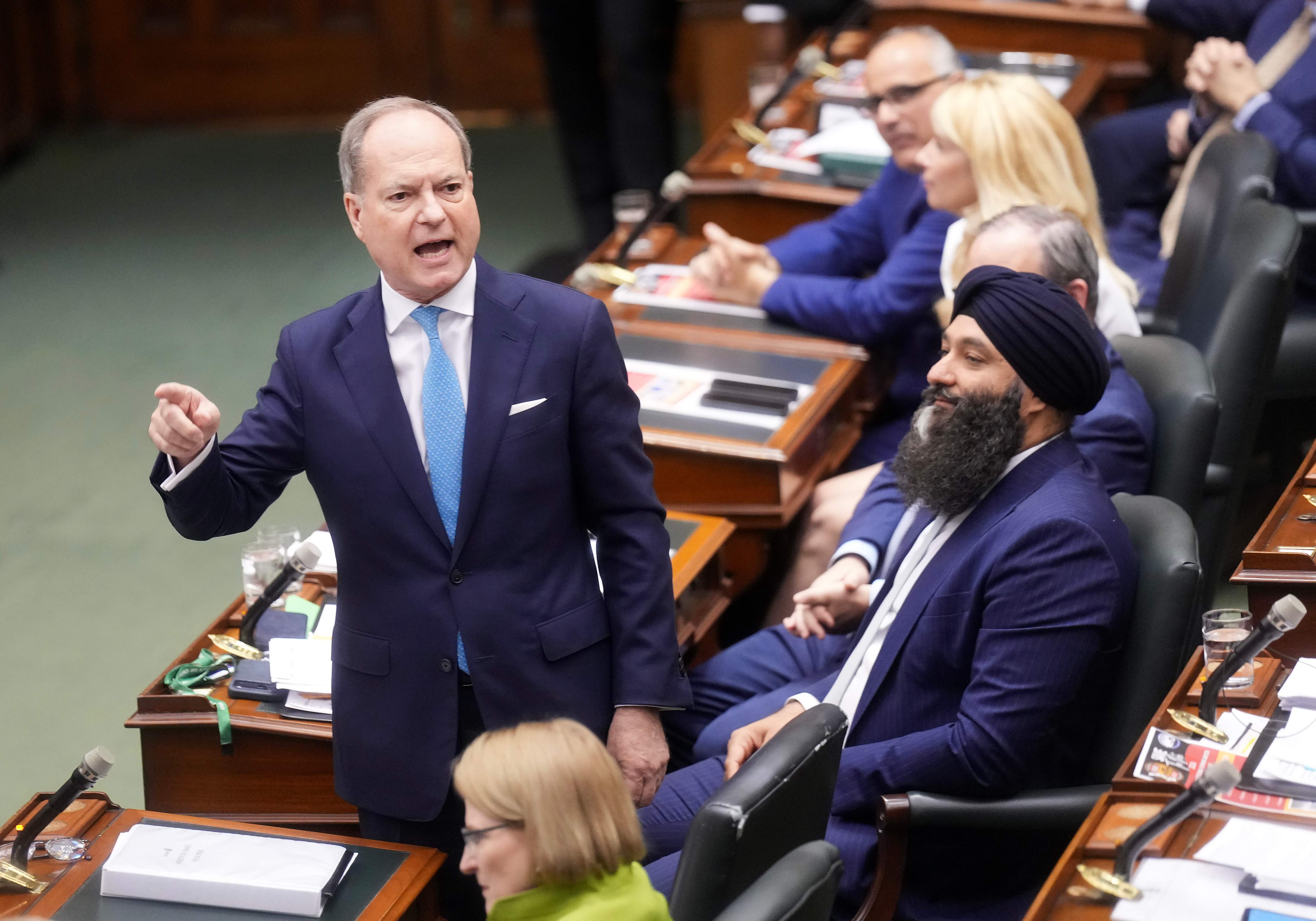
When Doug Ford rolled out a massive financial shield to protect local industries from punishing U.S. tariffs, politicians promised an aggressive defense. Months later, the reality on the ground looks a bit different. Out of a heavily publicized war chest, only a fraction of the money has actually made it into the hands of struggling businesses.
If you look past the headlines, the numbers tell a surprising story about how government bureaucracy handles sudden trade crises. Let's break down why Ontario's financial defense program has spent just $140 million so far and what that means for local manufacturers.
The Gap Between Big Announcements and Actual Payouts
When the Protect Ontario Financing Program launched as part of a multi-billion-dollar economic defense package, business owners expected a fast, agile lifeline. The steel, aluminum, copper, and auto manufacturing sectors were staring down heavy Section 232 tariffs from south of the border. They needed cash for payroll, leases, and utilities to stay afloat.
Yet, during a recent legislative committee appearance at Queen's Park, Deputy Minister of Finance Gadi Mayman dropped a revealing detail. Since the program's inception, officials received only 36 applications totaling just under $100 million. When you combine that with other targeted measures—like the financial rescue package for Algoma Steel—total spending sits at roughly $140 million.
That is a long way from the multi-billion-dollar figures tossed around in press conferences. Why the massive disconnect?
Why Businesses Aren't Swarming the Fund
Navigating government relief programs isn't simple. Many mid-sized manufacturers find themselves caught in a frustrating loop of red tape. To qualify for liquidity support, companies must jump through stringent financial hoops that can take weeks or months to clear.
By the time an application gets reviewed, companies have often already restructured, laid off staff, or found alternative ways to absorb the tariff costs.
Finance Minister Peter Bethlenfalvy defended the pacing during committee hearings, noting that the government wants to keep powder dry in uncertain economic times. But business advocates argue that caution defeats the purpose of an emergency response fund. If the cash sits in provincial accounts while factories bleed capital, the safety net fails right when it's needed most.
Shifting Priorities and the Pivot Away From Direct Relief
The political landscape around trade defence has evolved rapidly. Officials admit that direct corporate liquidity funds are no longer the top priority. Instead, the province started eyeing broader structural transitions, supply chain diversification, and critical mineral investments alongside federal partners.
While upgrading long-term supply chains matters, it doesn't help a local auto parts supplier struggling to pay next week's hydro bill. The shift away from active rollout leaves many smaller operators wondering if the province has quietly sidelined immediate relief in favor of flashier future announcements.
What This Means Moving Forward
If you own or manage a business affected by cross-border trade friction, banking on provincial emergency funds requires patience. You cannot treat these programs as an instant emergency ATM.
Expect tougher eligibility scrutiny and slower turnaround times than advertised. Companies facing acute cash flow crunches need to look at a mix of private financing, federal work-sharing programs, and aggressive client diversification rather than waiting on provincial bailouts that take months to materialize.
The multi-billion-dollar headline figures sound great on the evening news. The day-to-day reality requires a much harder look at the fine print.
Ontario Govt Announces $30 Billion Tariff Relief as Doug Ford Escalates Attack on Trump
This video provides additional context regarding the broader financial relief announcements and political strategies surrounding Ontario's ongoing tariff disputes.