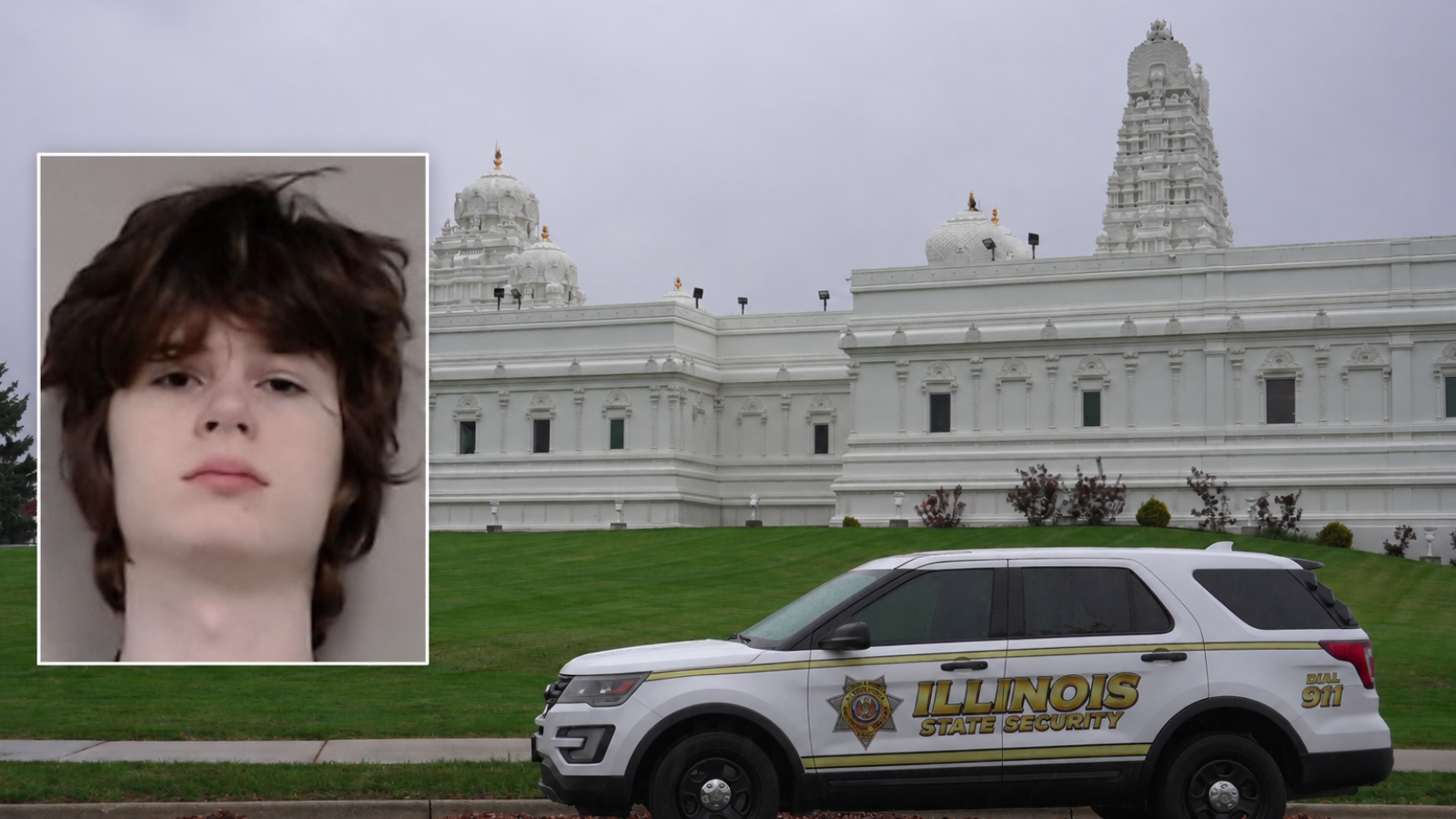
Police in Bend, Oregon are still piecing together how a teenager broke into Silver Rail Elementary School on October 15, 2026, killing three children and a teacher in a matter of minutes. When a tragedy happens that fast—and ends with an armed parent fatally shooting the attacker inside a classroom—official answers rarely arrive on a neat timeline. Investigators have to untangle ballistic evidence, 911 audio, security hardware, and firearm origins while a grieving community demands accountability.
The basics of what happened are brutal and clear. Around midday on picture day, a 16-year-old armed with a 12-gauge pump-action shotgun fired at a pickup truck in the parking lot, jumped a fence, and shot through glass panels on locked doors to force his way inside. Inside a special education classroom, three children—ages 5, 8, and 11—and a teacher were killed, while another child and another teacher were injured. Moments after officers arrived at 1:02 p.m., Kaylub Giamanco, a father of two students at the school who held a concealed carry permit, crawled through a broken door panel with a .40-caliber handgun and fatally shot the teenager after teacher Cassidy Schutz struggled with him.
What Police Are Actually Trying to Prove
People watching breaking news coverage often assume an investigation is simply a checklist of who pulled which trigger. In reality, detectives and prosecutors have to build a minute-by-minute reconstruction that holds up under legal scrutiny and public examination.
Law enforcement has been examining several core threads since the shooting:
- How the attacker bypassed physical security: Silver Rail Elementary opened in 2015 with secure vestibules, background-check visitor sign-ins, cameras, and voter-approved classroom door-locking hardware added after the 2022 Uvalde shooting. Investigators have had to look closely at why shooting out glass panels on exterior doors allowed rapid entry.
- Where the shotgun came from: News reports citing law enforcement sources indicate the 12-gauge Maverick shotgun was linked to the shooter's mother, raising urgent questions about safe storage, legal transfer, and how the teen obtained the gun and ammunition.
- The exact sequence inside the classroom: Police are reconciling witness accounts, physical evidence, and the 911 call released by Deschutes County in early November to establish exact timing between forced entry, the struggle with staff, Giamanco's shots, and arriving officers.
- Motive and warning signs: Investigators have not publicly established a motive, and reviewing a juvenile attacker's digital footprint, school records, and prior behavior takes time.
Honestly, that gap between what the public wants to know right now and what investigators can legally confirm is where frustration builds fast. Rumors fill quiet spaces when briefings are sparse. Still, rushing conclusions before ballistics, autopsies, and interviews align is how cases get compromised.
The Hardest Question Involves Armed Intervention
Few parts of the Bend case have sparked sharper debate than the actions of a civilian parent running toward gunfire. Giamanco told reporters he was driving nearby, heard the threat to his daughters' school, called 911 while telling the dispatcher he had a gun, and went into "mission mode". He also described hearing children screaming and wrestling with the trauma afterward.
In Oregon Public Broadcasting reporting after the shooting, residents in Bend showed a sharp split—some signing up for firearms and concealed-carry training, while others pushed to get rid of guns altogether. That divide isn't theoretical here; it's playing out in grocery store aisles and school board meetings.
From a tactical and legal standpoint, armed civilian response in a school is complicated even when the outcome stops an active killer. Responding officers arriving at a chaotic scene don't immediately know who is a threat and who is a parent holding a pistol. Giamanco noted that a surviving teacher ran from him when he tried to check on her, understandably fearing he might be another shooter, and that he raised his hands when police arrived. A single second of confusion during active-shooter entry can turn a rescue into a second tragedy.
Why Hardened Doors Alone Didn't Stop the Attack
After major school shootings, districts across the country tend to reach for visible hardware first. Locks, cameras, vestibules, and buzz-in systems feel concrete. You can point to them at a budget hearing and say you did something.
Silver Rail Elementary already had modern security features—secure vestibules, cameras, resource officers, and upgraded classroom locks. Yet the attacker bypassed the main bottleneck by shooting out glass on locked doors. That detail exposes a painful truth about school safety: no building is completely impenetrable against a determined gunman armed with a long gun and time.
At a community meeting three weeks after the shooting, Bend-La Pine school officials told worried parents they lacked the funding for every additional safety measure requested. Even with strong local fundraising—which topped $2 million for victims and Giamanco by late October—districts face real budget limits on staffing, mental health counselors, and building upgrades.
Common Misconceptions About School Shooting Investigations
When stories like this dominate national feeds, a few myths pop up every single time.
- "Police already know the whole story and are just holding it back." Not necessarily. Early timelines rely on frantic witness memories and initial dispatch logs. Reconciling glass trajectories, spent shells, and exact timestamps often changes details in the first few weeks.
- "Locked doors mean a school is safe." Standard glass panels next to or inside doors can be defeated by gunfire if not reinforced with security glazing or laminated barriers, and a single weak point can undermine an otherwise solid access plan.
- "A fast end means less trauma for survivors." Even though the shooter was stopped within minutes, surviving students, teachers, parents, and Giamanco himself have spoken about lasting psychological distress. Stopping the physical threat ends the immediate danger, not the grief.
Practical Steps for Parents and Communities Right Now
If you're a parent in Bend or anywhere else trying to figure out what actually helps after a school shooting, start with things you can control without panicking your kids.
- Ask your district specific safety questions: Instead of vague assurances, ask how exterior glass near doors is reinforced, how classrooms lock from the inside without stepping into a hallway, and how reunification works after an emergency.
- Prioritize mental health access, not just security gear: Kids process fear differently depending on age—a five-year-old needs simple reassurance and routine, while an older child may ask tough questions about fairness and safety. Look into school counseling resources and trauma-informed therapists early rather than waiting for behavioral crises.
- Check secure gun storage at home: If there are firearms in your household, use a quality safe or lockbox and keep ammunition stored separately, especially if teens or visitors with mental health struggles have access to the home.
- Support verified local funds carefully: Community fundraisers can bring real relief to grieving families, as seen in Bend's local drives, so stick to vetted organizers and official district or community foundation channels rather than unverified social media appeals.
The investigation in Bend will keep moving through legal reviews, civil inquiries, and community debates long after the news trucks leave. Real accountability requires looking at all of it—the gun's origin, the building's vulnerabilities, the emergency response, and the families left carrying the weight.