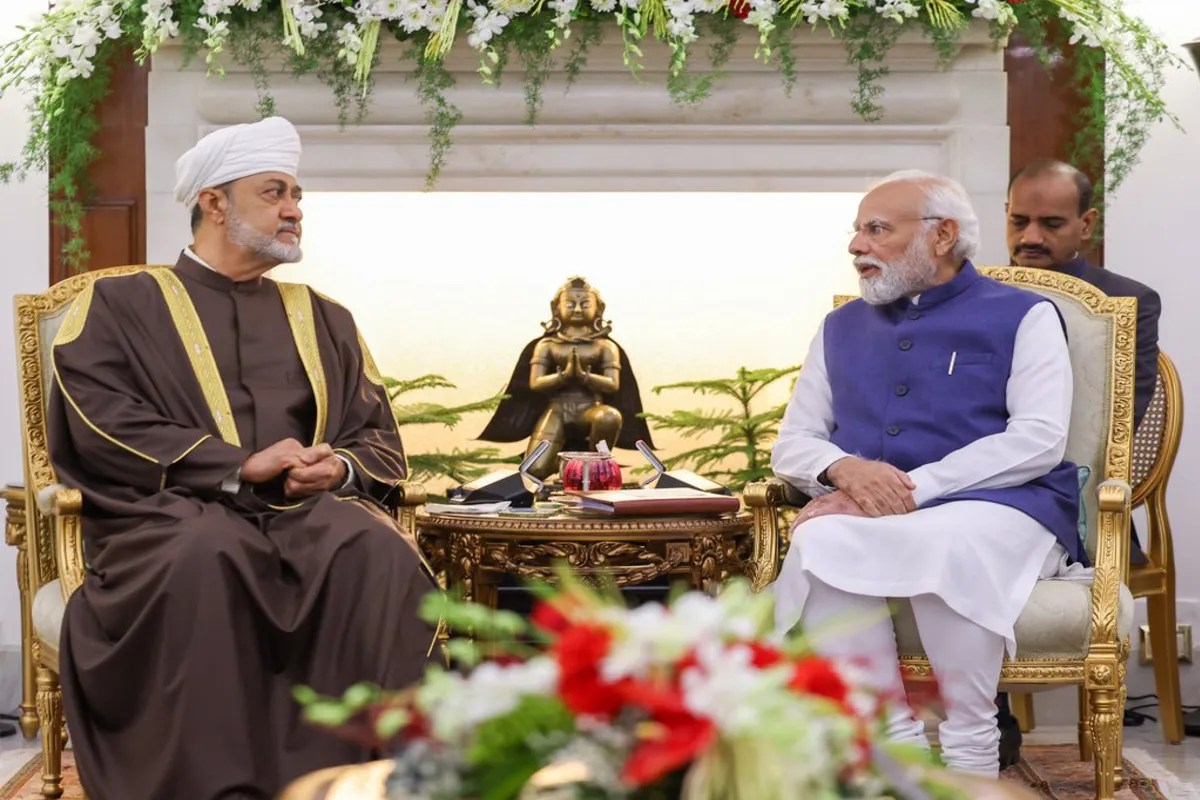
The standard narrative is comforting. A crisis erupts, the world catches fire, and the headlines scream about a series of high-stakes phone calls. "PM Modi Speaks to 8 World Leaders," they shout, as if a few minutes of encrypted satellite audio can actually stop a kinetic war or secure two million citizens scattered across volatile borders. This isn't diplomacy. It’s performance art for a domestic audience that craves the optics of "strong leadership" while the actual mechanics of power happen in silence, far away from the press releases.
We are told these calls are about ensuring "no Indian should be harmed." It is a noble sentiment. It is also a logistical impossibility that ignores how modern conflict actually functions. When missiles are in the air and local militias are hunting for leverage, a handshake in a digital cloud doesn't move the needle. If you think a phone call from New Delhi stops a panicked teenager with an AK-47 in a suburb of Tel Aviv or a drone operator in a bunker, you are living in a geopolitical fantasy.
The Myth of the "Call to Action"
The competitor headlines want you to believe that the Prime Minister is a grand conductor, waving a baton to keep Indians safe. In reality, the "8 leaders" story is a distraction from the structural failures of modern evacuation protocols.
I have seen how these situations play out in the backrooms of embassies. The "call" is usually the last step, not the first. It is a formalization of work already done by mid-level bureaucrats and intelligence officers who have been trading favors for months. To frame the call as the catalyst for safety is to misunderstand the hierarchy of international relations.
- The Bureaucratic Buffer: Information flows up, not down. By the time a leader speaks to another leader, the "news" is already stale.
- The Sovereignty Trap: No leader, no matter how much they "respect" a partner, is going to compromise their own tactical advantage or national security protocols because of a 10-minute conversation.
- The Optics Tax: These calls are designed for the 8 PM news cycle. They provide a sense of "doing something" when the reality on the ground is chaotic and beyond anyone’s singular control.
Stop Asking if They Talked—Ask What They Traded
The public obsesses over the fact of the conversation. The real question is the price.
Diplomacy is a zero-sum game of leverage. When a leader calls to ask for the safety of their citizens during a war, they aren't asking for a favor; they are making a transaction. What was the quid pro quo? Was it a vote at the UN? A delayed arms shipment? A blind eye toward a specific regional grievance?
By focusing on the "welfare of Indians," the media sanitizes the gritty reality of geopolitical bartering. We treat these leaders like concerned parents calling a school principal, when we should be viewing them as high-stakes poker players.
The Logistics of the Lie
Let’s dismantle the idea that these calls actually protect people on the ground.
Imagine a scenario where an Indian IT professional is stuck in a basement in a conflict zone. The Prime Minister speaks to the local head of state. Does that head of state then call the local police chief? Does the police chief call the sergeant on the street? Does that sergeant tell his troops to "watch out for the guys with Indian passports"?
Of course not. In a war zone, the chain of command is the first thing to shatter.
True safety comes from Deep Logistics, not High Diplomacy. It comes from:
- Redundant Communication Networks: Having mesh networks that don't rely on local towers.
- Asset Pre-positioning: Having extraction teams and supplies ready before the first shot is fired.
- Local Informant Hubs: Paying the people who actually control the streets, regardless of what their "leader" says on a phone call.
The obsession with "PM speaks to X" is a symptom of a society that values the figurehead over the machine. It’s a "Top-Down" delusion.
The Intelligence Gap
We also ignore the "Intelligence Asymmetry." When you call eight different leaders in a week during a multi-polar conflict, you are broadcasting your anxieties. Every intelligence agency in the world is monitoring those lines. They aren't just listening to what is said; they are measuring the tone, the frequency, and the specific requests to map out India’s "red lines."
Constant "phone diplomacy" can actually weaken a nation's hand. It signals a high degree of domestic pressure and a low tolerance for casualties. In the brutal logic of international conflict, that is a vulnerability to be exploited, not a strength to be admired.
The "People Also Ask" Delusion
People often ask: "How does PM Modi's influence help Indians abroad?"
The brutal answer? It doesn't—not in the way you think. Influence is a macro-tool. It’s used for trade deals, nuclear Sanctions, and border disputes. Using "influence" to protect individual civilians in a hot war is like using a sledgehammer to perform brain surgery.
What actually helps is the Passport Power and the Economic Weight of the diaspora. If a country knows that harming a specific group will result in a 20% drop in their tech sector or a total withdrawal of foreign investment, they will act. That has nothing to do with a phone call today; it has everything to do with the economic integration of the last twenty years.
The Professional’s Reality Check
If you are an Indian citizen living in a high-risk zone, don’t wait for the headline that says your leader called the local president. That headline is a placebo.
Real security is boring. It’s keeping your exit visa updated. It’s knowing where the physical embassy is (and knowing it will likely be closed when you get there). It’s having hard currency and multiple ways to move.
The "8 leaders" narrative is a comforting blanket for those sitting safely in Delhi or Mumbai. It creates an illusion of a world governed by polite requests and mutual respect. The reality is a world governed by chaos, where "talking" is often a substitute for "acting."
We need to stop praising the PR and start scrutinizing the results. How many extraction routes were actually opened? How many visa waivers were secured for those fleeing? What was the actual, measurable impact on the ground?
If you can’t answer those questions with data, the phone call was just noise.
The next time you see a headline about "Phone Diplomacy," realize you are being sold a story about power to hide the reality of impotence. Leaders talk because they often can't do anything else.
Stop looking at the dialer. Look at the map.
Get your own house in order. Don't wait for a dial tone to save you.