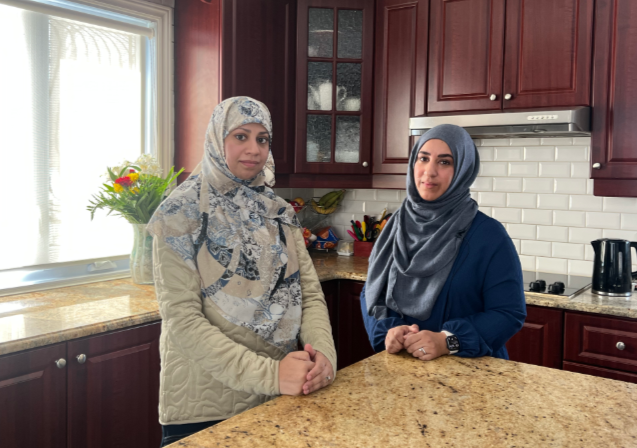
If you think volunteering at your kid’s school is a simple matter of having a free afternoon and a clean background check, you haven’t tried doing it in Quebec while wearing a hijab.
What started as a law meant to keep the state neutral has morphed into something much more personal and, frankly, more damaging. Muslim mothers across the province are being told they can’t join field trips, help in libraries, or even supervise a pizza lunch. Why? Because they wear a headscarf. This isn't just a technicality in a legal brief. It’s a direct hit to the relationship between schools and the communities they serve.
The Law That Went Too Far
Bill 21, Quebec’s secularism law, was sold to the public as a way to ensure that "state settings" remain neutral. It bans certain public sector employees—teachers, police officers, judges—from wearing religious symbols while on the clock. But the law doesn't actually mention parents. It doesn't mention volunteers. Yet, school boards and individual principals are now applying these rules to moms who just want to help out.
It's a classic case of "mission creep." When you give a bureaucracy a tool to exclude, they’ll often find new ways to use it. Administrators are arguing that a volunteer is technically a "representative of the state" during school hours. That’s a massive stretch. A mother handing out juice boxes isn't a government official. She’s a parent. By treating her like a state agent, the system is essentially saying her identity is a threat to the neutrality of a seven-year-old’s education.
Why This Isn't Just About A Headscarf
When you bar a specific group of parents from participating, you don't just lose their labor. You lose their perspective. You tell their children that their families are "other." Imagine being a second-grader and seeing every other mom in the class help with the holiday party while yours is stuck at the front gate. That leaves a mark.
This isn't a hypothetical problem. We’ve seen reports from various school boards, particularly in the Montreal area, where the application of these rules is inconsistent and confusing. One school might allow it, while another just a few blocks away shuts the door. This creates a "postal code lottery" for civil rights.
- Parents feel alienated from the very institutions that are supposed to help raise their kids.
- Schools lose out on much-needed help for extracurricular activities.
- The community becomes more fractured as "secularism" becomes a shorthand for "exclusion."
The Legal Gray Area No One Wants To Fix
The CAQ government has been incredibly firm about Bill 21. They’ve even used the notwithstanding clause to protect it from being struck down by the courts. This clause is basically a "get out of jail free" card for the government, allowing them to bypass parts of the Canadian Charter of Rights and Freedoms.
Because of this legal shield, challenging the law is a nightmare. Lawyers have to argue about the specific definition of an "employee" versus a "volunteer." While the courts bicker over semantics, families are being pushed to the margins.
Many legal experts argue that extending the ban to volunteers is a clear overreach. A volunteer isn't paid by the state. They don't have the authority of a teacher. They don't grade students or set curricula. They’re there to provide an extra pair of eyes and hands. If the goal is neutrality, why does a parent’s personal clothing matter? Neutrality should be about the school’s curriculum and the teacher’s delivery, not the person helping tie shoelaces on the playground.
Real World Consequences For Students
We talk a lot about the rights of the adults, but let's look at the kids. Schools in Quebec are already struggling with staffing shortages. They need volunteers. When you cut out a huge chunk of the mother population in neighborhoods like Parc-Extension or Saint-Laurent, programs get canceled. Field trips don't happen because there aren't enough chaperones.
The kids are the ones who pay the price for this ideological purity test. They see the tension. They feel the absence. Instead of a school being a place where different cultures meet and work together, it becomes a place where one culture is "correct" and others are tolerated only if they stay quiet and out of sight.
What You Can Actually Do About It
If you’re a parent in Quebec or someone who cares about how these laws are being applied, sitting back and complaining won't change the board’s policy. You need to be active in the places where these decisions are made.
- Attend Governing Board Meetings. Every school in Quebec has one. This is where parents actually have a voice. Ask your principal point-blank what the school's policy is on religious symbols for volunteers. Force them to show you where it’s written in the law.
- Contact Your MNA. Let your Member of the National Assembly know that you don't support the expansion of Bill 21 to non-employees. They need to hear that this isn't what the public voted for.
- Support Legal Challenges. Organizations like the National Council of Canadian Muslims (NCCM) and the Canadian Civil Liberties Association (CCLA) are constantly fighting these battles. They need resources to keep the pressure on.
- Build Alliances. This isn't just a "Muslim issue." It’s a parental rights issue. Talk to other parents who don't wear religious symbols. If a school sees that the entire parent body is against these exclusions, they're much more likely to back down.
The reality is that "secularism" shouldn't mean "erasure." You can have a neutral state without treating parents like outsiders. It's time to stop using Bill 21 as a weapon against moms who just want to be involved in their kids' lives. Don't let the bureaucracy tell you that your presence is a problem. Stand your ground, show up at the meetings, and demand that the focus stays on the students, not the clothes their parents wear.
The next time your school asks for volunteers, don't just send an email. Show up. Ask the hard questions. Make sure the administration knows that a parent's right to support their child's education isn't up for debate. Change happens when the cost of being exclusionary becomes higher than the cost of being inclusive. Be that cost.
Demand clarity from your school board. If they claim their hands are tied by provincial law, ask for the specific legal opinion they're following. Often, these policies are based on fear of "what might happen" rather than a direct order from the Ministry of Education. Push for a written policy that explicitly distinguishes between state employees and community volunteers. This ensures that no principal can make an arbitrary decision based on their own biases. Hold the line for every parent's right to be present.