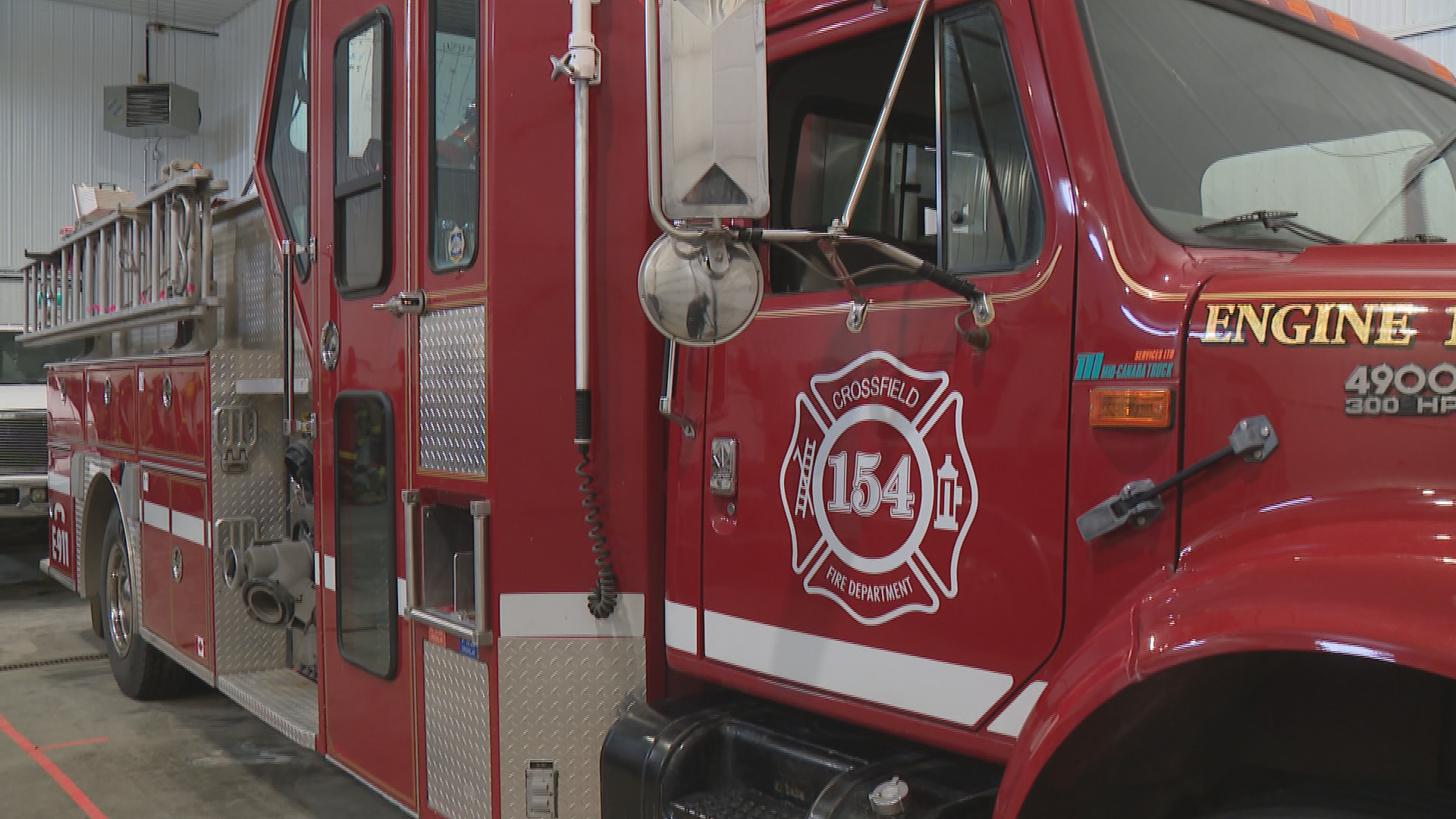
Vonda just proved that you don't always need to wait for a massive government grant to fix a local crisis. While most small towns spend years caught in a loop of red tape and budget meetings, the Vonda Fire Department took a different path. They needed a new truck. They didn't have the cash in the official coffers. So, they went out and got it themselves. This isn't just a story about a new vehicle with shiny lights. It's about a complete shift in how rural communities survive when the traditional funding models fail.
The reality of rural firefighting is often grim. You're dealing with equipment that’s decades old, maintenance costs that eat your entire operating budget, and a volunteer crew that’s already stretched thin. When a department like Vonda’s decides to upgrade, it’s usually a decade-long process of praying for a provincial handout. By bypassing that wait and relying on private funds and community donations, they’ve set a blueprint that other small towns should probably start copying immediately.
Why the old funding model is broken for small towns
Most people think fire departments are fully covered by their municipal taxes. That’s a nice thought, but it’s rarely true in towns with smaller populations. Property tax bases in rural areas simply aren't deep enough to buy a modern pumper or aerial truck, which can easily clear half a million dollars or more depending on the specs.
Usually, a town applies for a grant. They wait. They get rejected. They apply again. Meanwhile, the old truck gets more dangerous to operate. Maintenance costs spike because parts for a 1990s engine aren't exactly sitting on a shelf at the local hardware store. Vonda’s leadership realized that waiting was a losing game. By the time a grant might come through, the price of the equipment has usually gone up by 15% due to inflation and supply chain lags.
They chose to hunt for private funds instead. This means looking at corporate partnerships, local business stakeholders, and aggressive community fundraising. It’s a lot more work than filling out a government form, but it's faster.
The power of local skin in the game
There’s something different about a fire truck paid for by the people who live down the street. When you use community donations, the town feels a sense of ownership that a government-funded project never quite achieves. Vonda’s success came from making the need visible. They didn't just say they wanted a new truck; they showed why the old one was a liability.
Community fundraising for something as vital as fire safety usually works because the stakes are personal. If you're a farmer in a rural area, you know that the fire department is the only thing standing between a small spark and a total loss of your livelihood. Local businesses stepped up because they understand that a well-equipped fire department lowers insurance premiums and protects their investments. It’s a cold, hard business calculation wrapped in a neighborly gesture.
What this new truck actually changes for Vonda
A new truck isn't just about "new car smell." It’s about reliability. In emergency services, the most dangerous moment isn't always the fire itself—it’s the moment the engine won't start or the pump fails on the scene.
Modern trucks come with better water capacity, faster deployment systems, and, perhaps most importantly, better safety features for the firefighters. Volunteer firefighters are often the backbone of these towns. If you want people to keep signing up for a job that pays nothing and risks everything, you have to give them gear that actually works. Vonda’s new rig means their crew can do their jobs without worrying if the equipment will quit halfway through a call.
The blueprint for other rural departments
If you’re sitting in a small town watching your local department struggle with a truck that belongs in a museum, Vonda’s approach is your manual. Stop waiting for the province or the federal government to realize you exist. They won't. Or if they do, it’ll be too late.
- Audit the real cost of waiting. Calculate how much you're spending on repairs for the old fleet versus the financing costs of a new one. Often, the "free" old truck is more expensive than a new one.
- Be transparent with the town. Show the community the state of the current gear. Don't hide the cracks in the hoses or the rust on the frame.
- Engage the big players early. Don't just ask for $20 at a bake sale. Go to the largest businesses in the region and explain the ROI of fire protection.
- Create a dedicated fund. Ensure every cent of community money is locked specifically for the equipment so there’s no fear of it being swallowed by general town maintenance.
Vonda did the hard work of asking their neighbors and local partners to step up. It worked. They have the truck, the town is safer, and they aren't beholden to a government bureaucrat’s timeline. It’s a win that more small towns need to chase if they want to stay on the map.
Check your local department's equipment age this week. If it’s over 20 years old, it’s time to start the conversation about a private funding drive. You can’t fight a 2026 fire with 1980s technology and expect a good outcome.