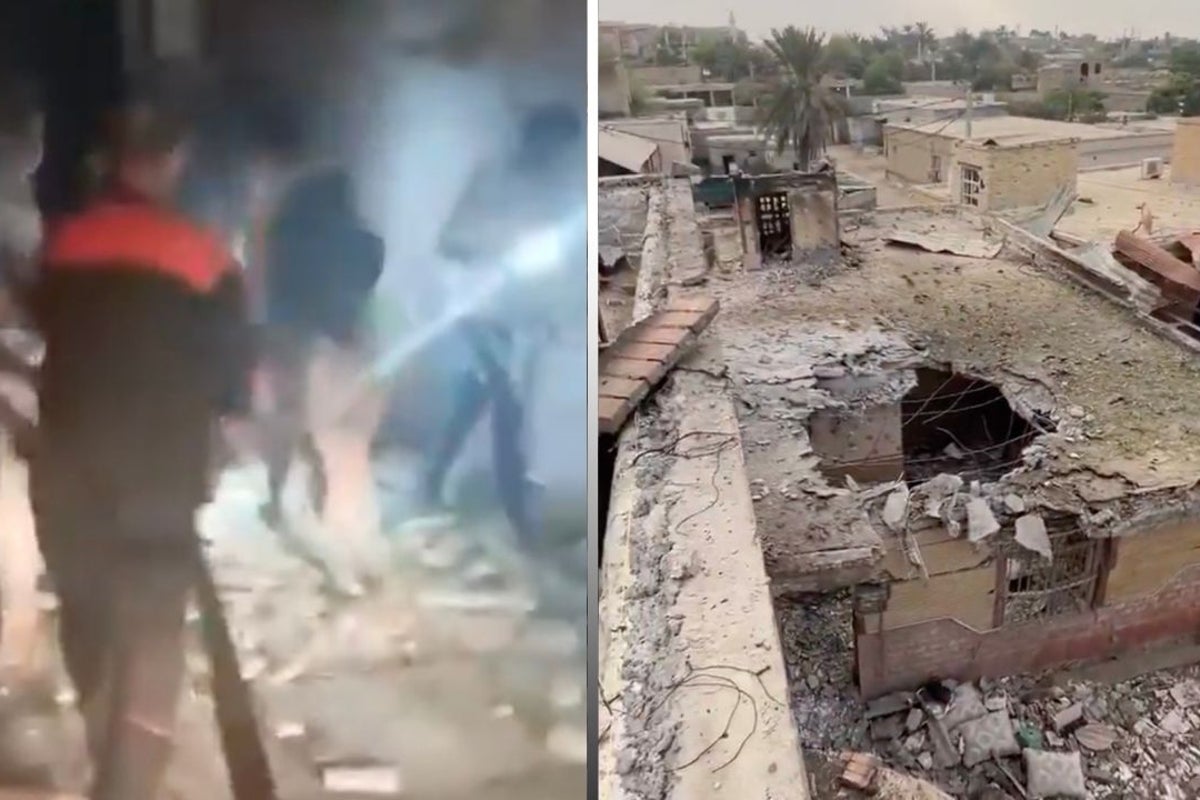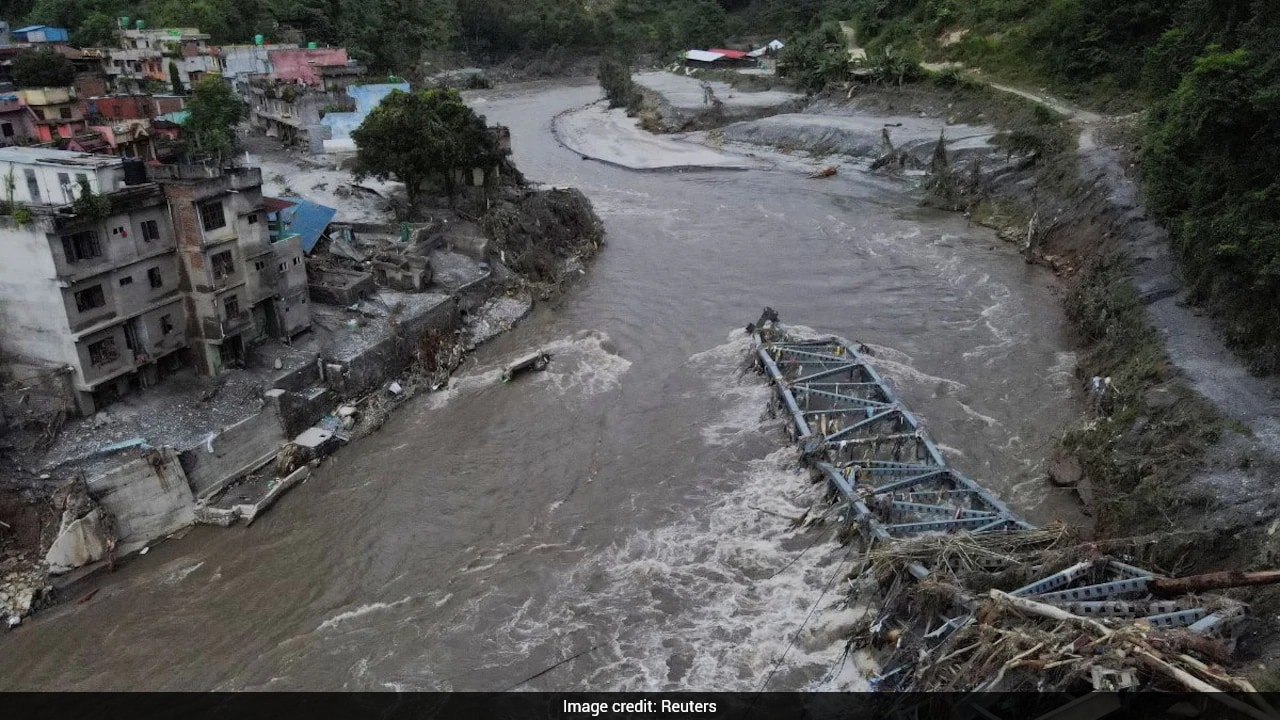
Poonam Thakkar left her home in Bartlett, Illinois, for a high-altitude pilgrimage that millions revere, only to vanish when a catastrophic flash flood tore through the Nepal-China border region. The 42-year-old corporate manager is just one face among thousands caught in a disaster driven by high-altitude glacial collapse. While standard news reports focus on the immediate grief of families waiting in Chicago suburbs, the structural breakdown of disaster response in the Himalayas reveals a deeper systemic vulnerability. Travelers are walking blindly into regions where geography itself is shifting beneath their feet.
Anatomy of a Himalayan Catastrophe
The disaster that stranded Thakkar and hundreds of other foreign tourists was not a conventional seasonal overflow. Scientists studying satellite telemetry confirmed that bedrock underneath a major Himalayan glacier failed catastrophically. The resulting structural collapse registered as a magnitude 5.2 seismic event.
When a mountain shelf drops millions of tons of ice and rock into narrow river valleys, warning times shrink to minutes. Traditional monsoon safety protocols assume rising water levels over days, not instantaneous walls of liquefied debris. Downstream communities and remote mountain hotels had zero margin for error.
Tourists booking sacred treks toward Mount Kailash or border outposts rarely receive briefings on seismic glacial hazards. Travel operators market these routes as spiritual journeys or standard high-altitude hiking expeditions. They sell the romance of the roof of the world while ignoring the modern mechanics of climate degradation in high-altitude zones.
The Ground Search Reality in Kathmandu
While international headlines spotlight the missing Americans, families arriving on the ground face bureaucratic and physical brick walls. Thakkar’s sister and cousins flew to Kathmandu to search for her, mirroring the efforts of families from Georgia, Massachusetts, and California. They encounter a capital city choked with logistical paralysis.
Local rescue operations are hamstrung by destroyed infrastructure. Bridges have vanished. Major roadways are blocked by recurring mudslides, and continuous monsoon downpours ground search-and-rescue helicopters.
Families organize informal morning sync-ups in Kathmandu hotels. They share smartphone photos with hospital workers, cross-reference survivor lists, and trade rumors gathered from local guides. Embassy responses, while polite, offer little beyond standard consular bureaucracy. The stark reality of foreign disaster recovery is simple: when you vanish into a remote Himalayan gorge, your family becomes your primary detective agency.
The Blind Spots of High-Altitude Tourism
The surge in adventure and spiritual tourism across Nepal and Tibet has outpaced local regulatory oversight. Thousands of travelers cross high-altitude checkpoints during peak monsoon windows without real-time tracking devices or localized satellite communication links.
Tour operators frequently lack evacuation insurance packages that cover catastrophic geological failures. When infrastructure disintegrates entirely, standard helicopter rescue contracts become useless because flight paths are unflyable and landing zones no longer exist.
Governments promoting regional tourism have been slow to mandate mandatory satellite tracking for groups traversing high-risk border zones. Until registration and tracking are strictly enforced at every remote trailhead, every sudden tectonic shift will trap unprepared travelers in a communication blackout.
The search parties walking the streets of Kathmandu carry photographs of loved ones who expected a transformative journey and found a geological trap. The mountain does not negotiate, and the infrastructure built around it is running out of time.