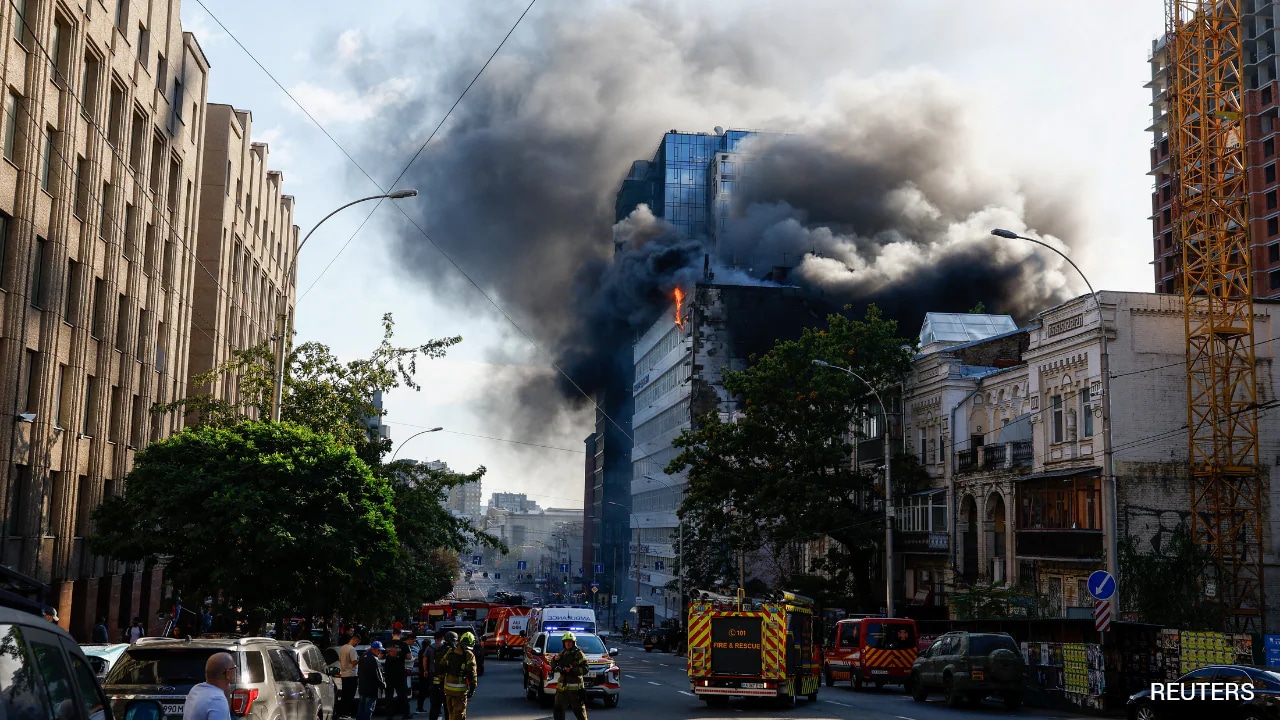
Loud explosions rattled Kyiv as another wave of Russian missiles and drones slammed into the capital's perimeter, targeting high-voltage substations and power-generating facilities. If you've been following the conflict, you know this isn't a random escalation. Moscow has locked onto a familiar, brutal playbook: weaponizing the freezing winter months by dismantling Ukraine's energy infrastructure region by region.
President Volodymyr Zelenskyy noted that Russian forces have ramped up targeted assaults across multiple oblasts, hitting hundreds of energy assets in a matter of days. High-voltage substations, thermal power plants, and gas facilities take the brunt of these multi-day strikes. The goal is clear. By concentrating massive aerial barrages on individual regions consecutively, the strategy aims to overwhelm local air defense and outpace emergency repair crews before blackouts become permanent. If you enjoyed this article, you should look at: this related article.
The Reality on the Ground in Kyiv
Hearing air raid sirens wail for over twenty hours straight changes the rhythm of a city. Residents shelter in subway stations and basements while anti-aircraft fire lights up the night sky. But the psychological strain is only half the battle. When a thermal power plant or a major substation takes a direct hit, the cascading effects hit water systems, public heating, and public transit within hours.
Emergency power cuts have forced large parts of the capital and surrounding regions to ration electricity. Technicians from private energy operators like DTEK face immense danger, racing out to patch blown transformers and mangled cables as soon as the all-clear sounds, often working under the threat of secondary strikes. For another angle on this story, check out the recent coverage from Al Jazeera.
Why the Strategy is Shifting
Moscow's tactics have evolved past simple random shelling. Analysts tracking the strikes note a calculated shift toward targeting the core nodes that tie regional power grids together. Instead of spreading fire across the entire country at once, recent weeks have seen concentrated assaults on specific zones, stretching interceptor missile supplies thin.
Compounding the pressure, Ukrainian leadership has pointed to logistical and operational hurdles—including electronic interference and restrictions affecting services like SpaceX's Starshield—that complicate local defense coordination around critical grid networks. Meanwhile, international bodies like the United Nations Independent International Commission of Inquiry have repeatedly classified the systematic destruction of civilian heating and power plants as a direct violation of international law, labeling the weaponization of winter cold a war crime.
What Comes Next for the Grid
Restoring a blown-up high-voltage transformer isn't like flipping a tripped circuit breaker in your basement. It requires heavy machinery, specialized engineering parts that take months to manufacture, and a stable window of relative calm.
International partners are scrambling to ship replacement turbines, transformers, and short-range air defense ammunition into the country. Yet, every new wave of cruise missiles and explosive drones tests the limits of what patched-together networks can endure. As temperatures drop toward freezing, the resilience of Kyiv's citizens and the speed of repair crews remain the final lines of defense against a deliberately manufactured humanitarian crisis.