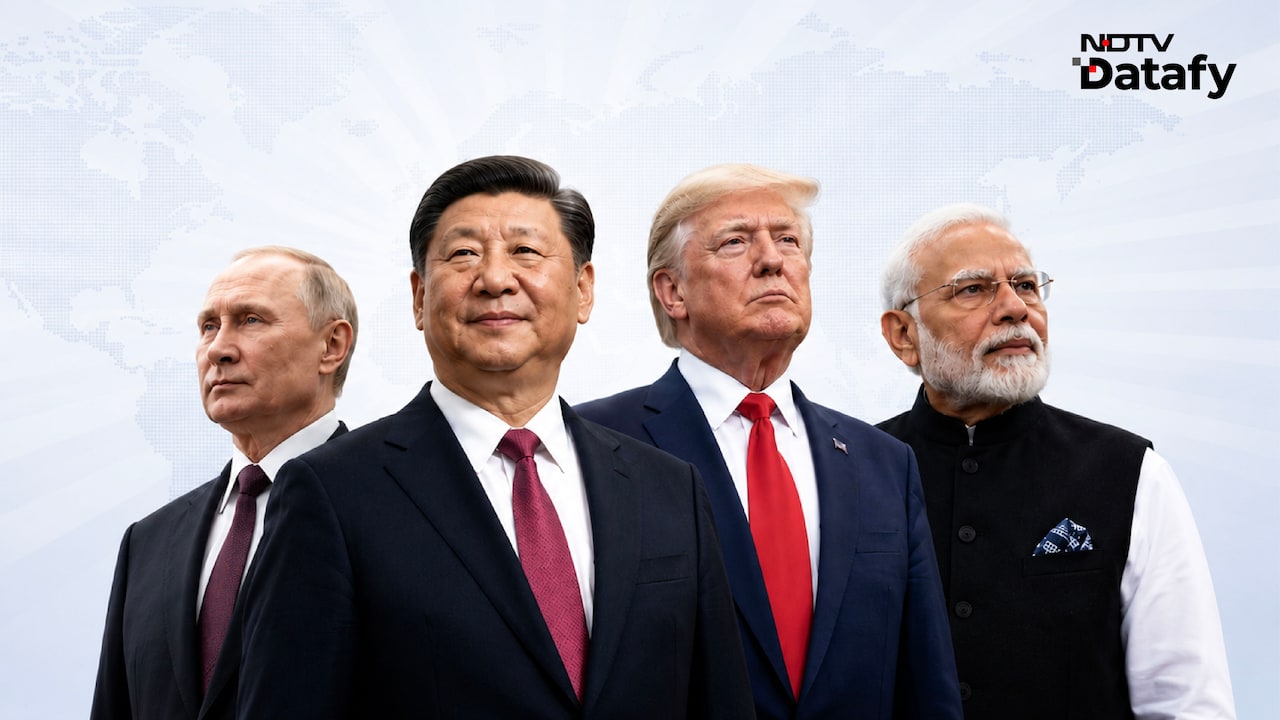
Western foreign policy circles love a good bogeyman. Give Washington and Brussels a new acronym, and they will immediately invent a shadowy cabal capable of rewriting the global order by next Tuesday. The latest panic focuses on the marriage of convenience between Beijing and Moscow, marketed as an unstoppable anti-Western juggernaut set to dethrone the dollar and shatter decades of American hegemony. Analysts hyperventilate over joint military drills and trade figures, painting a picture of a monolithic Eastern bloc marching in lockstep.
It is a comfortable narrative for think tanks needing grants and journalists needing clicks. It is also entirely detached from economic and geopolitical reality. For an alternative view, read: this related article.
The Structural Illusion Of Eurasian Solidarity
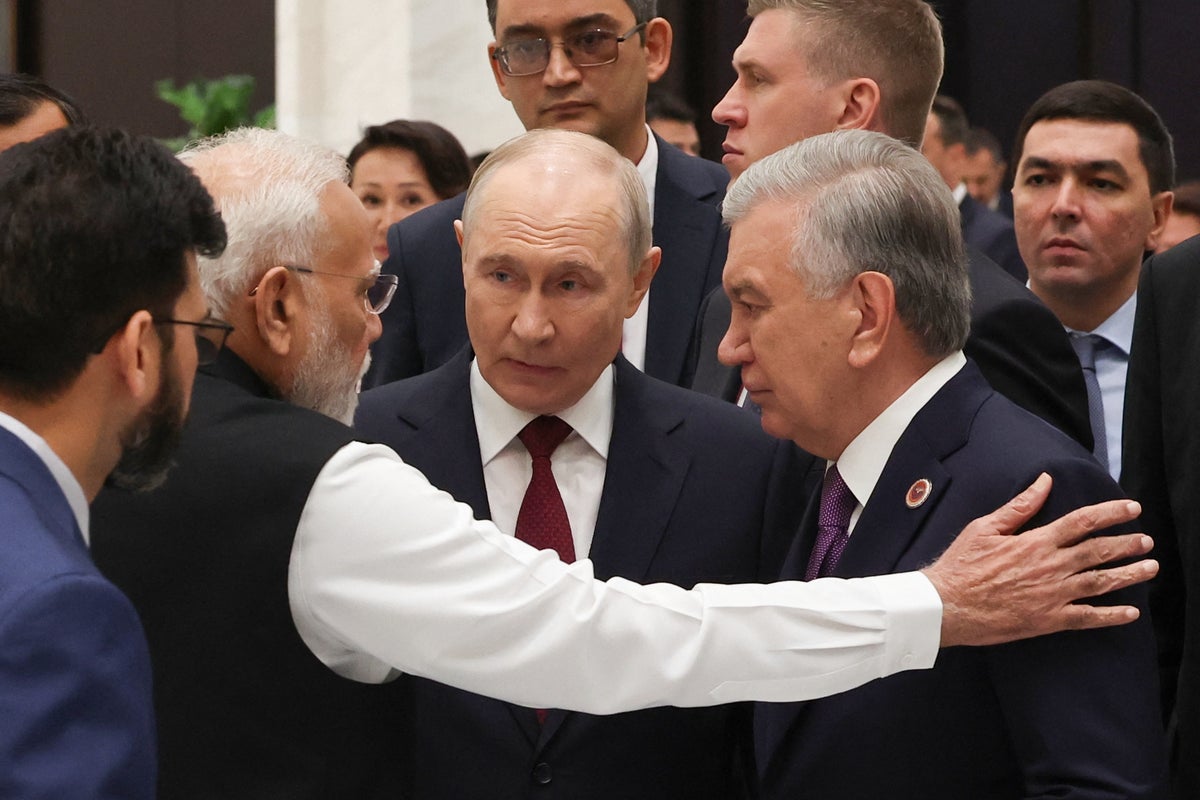
The lazy consensus treats the Shanghai Cooperation Organisation as an Eastern NATO, a unified front of authoritarian heavyweights pooling resources to crush Western influence. Look past the staged handshakes at annual summits, and you find a loose collection of transactional frenemies with competing territorial ambitions, historical grievances, and zero institutional trust.
China and India share a bitterly contested Himalayan border that has erupted into lethal skirmishes within the decade. New Delhi watches Beijing's Belt and Road investments in Pakistan—its arch-nemesis—with deep suspicion. Central Asian republics like Kazakhstan and Uzbekistan spend half their diplomatic energy trying to avoid becoming client states to either Moscow or Beijing. Further reporting regarding this has been provided by The Washington Post.
Calling this a bloc is like looking at a crowded subway car where everyone hates each other and declaring it a synchronized swim team.
Western commentators point to expanding membership as proof of growing momentum. Iran joins; various Middle Eastern states get observer status. Every new addition increases the internal friction. You cannot build a coherent geopolitical counterweight when your core members are actively undermining each other's security priorities behind closed doors.
The Currency Fantasy And The Dollar Trap
We hear endless warnings about de-dollarization. Pundits scream that bilateral local-currency swaps between Beijing and Moscow mean the greenback's days are numbered.
Let us look at the mechanics of international trade. To bypass the dollar, you need a liquid, stable alternative that surplus nations actually want to accumulate. Russia is currently hoarding billions of Indian rupees that it cannot spend because India does not produce enough high-value goods that Moscow actually needs. You cannot buy industrial machine tools with a currency that stays trapped inside a bilateral bottleneck.
China guards its capital controls with ironclad discipline. Beijing wants global trade influence, but it refuses to let foreign actors freely buy and sell the yuan because doing so would strip the Chinese Communist Party of its command-economy levers.
A viable reserve currency requires institutional credibility, deep capital markets, and the rule of law. You cannot decree trust by signing a communique in Samarkand. Until Beijing makes its currency fully convertible and submits to global financial transparency, the dollar remains the only game in town. Autocrats hate the American financial system, but they love liquidity more.
What The Pundits Get Wrong About Sanctions Resistance
Western sanctions on Russia were supposed to trigger total economic collapse. When they did not, the narrative swung to the opposite extreme: the bloc had built an alternative financial architecture immune to Western coercion.
I have watched companies waste millions trying to navigate parallel supply chains built on gray-market arbitrage and sanctioned tankers. This is not a resilient new system; it is a high-cost, high-friction workaround. Doing business through third-party intermediaries in Central Asia or the Gulf adds massive transaction overhead, insurance penalties, and logistical delays.
Efficiency always wins over ideological stubbornness in the long run. Eurasian trade routes are longer, more bureaucratic, and far more expensive than maritime shipping lanes dominated by Western insurance and naval security. Every barrel of oil diverted eastward at a steep discount to China is a symptom of desperation, not strength.
The Real Threat Is Internal Decay, Not External Conquest
The danger of the bloc is not that it will conquer the West. The danger is that it provides diplomatic cover for rogue regimes to insulate themselves from domestic reform while plundering local resources.
Central Asian leaders use the rhetoric of Eurasian integration to justify crackdowns on civil society, playing Beijing against Moscow to secure loans with zero governance strings attached. This creates a belt of fragile, debt-laden states vulnerable to systemic shocks. When a regime falls or a banking sector implodes, neither Beijing nor Moscow rides in as a benevolent savior. They send debt collectors.
Stop looking for a grand master plan to overthrow the international order. What you are watching is a slow-motion hostage negotiation between partners who have nowhere else to go.