August air in Tokyo carries a thick, suffocating warmth. It clings to skin, rising off asphalt that has baked under a relentless summer sun. For generations, this exact date has carried an echo. Sirens, silence, bowed heads. Beneath the surface of modern neon and rapid transit, an old ache persists. History here is not a dusty textbook on a shelf. It is a living, breathing shadow that stretches across political offices, quiet neighborhoods, and international borders.
Consider the structure of power in a democracy. A leader stands at a crossroads, holding keys to a nation's identity. Every action sends ripples across oceans. When political figures navigate historical anniversaries, they walk a tightrope strung high above deep chasms. One misstep, one misplaced gesture, and the winds of geopolitics roar.
Today, that wind stayed calm.
The decision was made. Silence filled the space where a controversial appearance might have sparked uproar. To understand why this matters, step away from the polished mahogany desks of Tokyo and look at the broader picture. Diplomacy is often defined by what is left undone.
The Geometry of Memory
History weighs heavily on those who govern. Imagine walking through a crowded street where everyone remembers a different version of the same family tragedy. Some want to shout grief from the rooftops. Others want to lock the doors, draw the curtains, and pretend the past never knocked.
This is the internal tension facing modern leadership. On one side stands a faction of traditionalists, people who view commemoration as an unyielding duty to ancestors. They see the Yasukuni Shrine not merely as a religious site, but as a solemn sanctuary for the fallen. To them, paying respects is a matter of personal honor and historical continuity.
On the other side stand neighbors. Beijing. Seoul. Capitals where the mere mention of that specific shrine stirs fierce historical grievances. For nations that suffered under Japanese occupation during the twentieth century, visits by high-ranking officials signal a refusal to fully reckon with wartime atrocities. Every ritualized bow at the altar feels like a fresh wound.
So what does a prime minister do?
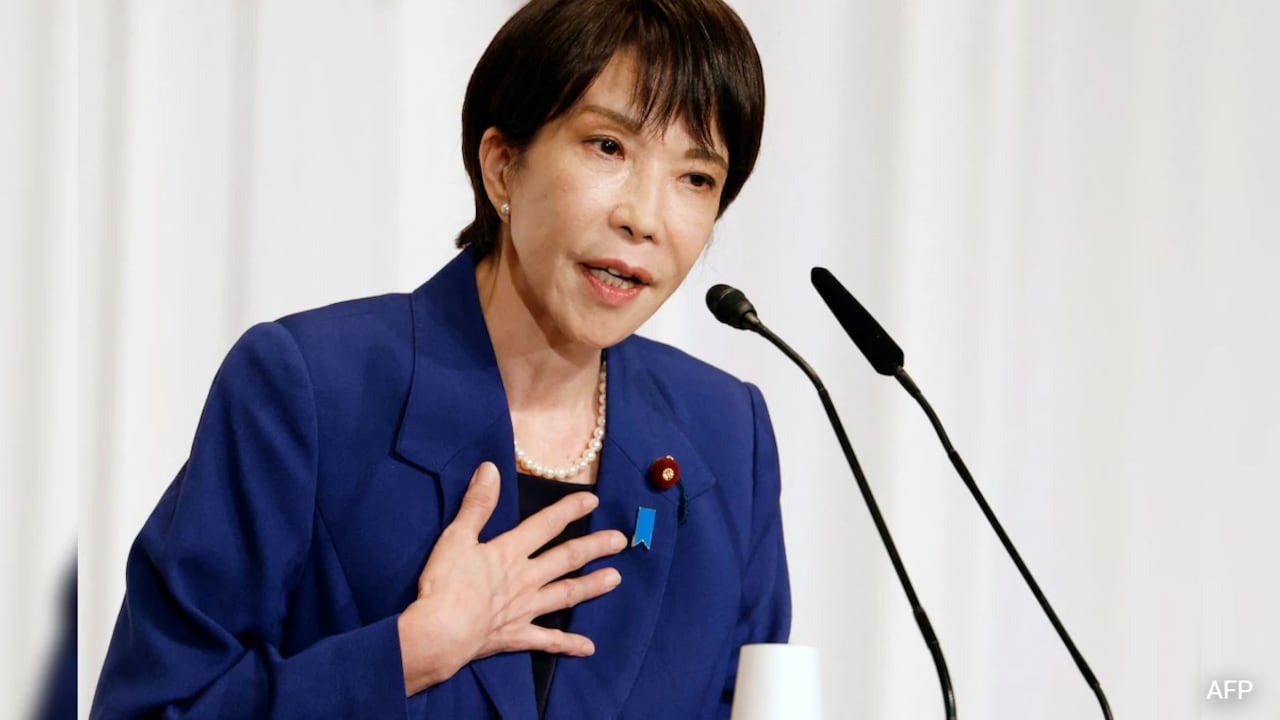
Sanae Takaichi—or any leader navigating this delicate dance—faces a choice. Step forward, offer a ritual offering, and watch diplomatic channels freeze. Or hold back, send a proxy gift funded by private means, and weather the disappointment of domestic hardliners.
This is the hidden cost of leadership. It is the art of disappointing everyone just enough to keep the peace.
The Rituals of Restraint
To grasp the subtlety of these moments, look closely at the mechanics of statecraft. Opting out of a physical pilgrimage is rarely an accident of schedule. It is a calculated retreat. It is a signal whispered in the ears of foreign ministers across the sea.
A proxy payment replaces a physical presence. It is a clever, diplomatic sidestep. It says: I acknowledge the significance of this day, but I recognize the fragility of our present alliances.
Yet, dissatisfaction blooms in the margins. Critics argue that such compromises satisfy no one. Nationalists feel betrayed by the absence. International critics remain wary, watching for the next shift in political weather. The middle ground is a lonely place to stand.
Walk through the precincts of Yasukuni on any ordinary day. The air is cool beneath ancient trees. Incense curls upward into the humid sky. Families pray for peace. Soldiers are remembered. But step outside those sacred gates, and the atmosphere shifts instantly into the high-stakes arena of global strategy.
Echoes Across the Sea
Across the East China Sea, memories are long. History is weaponized, polished, and kept sharp. When Japanese leaders visit the shrine, economic agreements stall, diplomatic talks freeze, and protests erupt. When they skip it, a collective sigh of relief ripples through foreign ministries from Seoul to Washington.
This interdependence shapes daily life in ways ordinary citizens rarely notice. Supply chains, tech partnerships, and security pacts hang in the balance. A single photograph of a prime minister bowing at an altar can disrupt financial markets or derail regional summits.
The invisible stakes are staggering.
We forget that politicians are human beings managing collective trauma. They inherit stories written long before they were born. They do not write the script of history; they only choose how to read the lines. Skipping a visit on a milestone anniversary is an acknowledgment that the present requires new vocabularies.
The Unfinished Story
The sun dips below the Tokyo skyline, painting the concrete towers in shades of amber and bruised violet. The anniversary passes without the expected diplomatic crisis. The news cycle moves on to economic forecasts and local elections.
Yet, the fundamental question remains unresolved. How does a nation honor its dead while looking forward to a shared future with its neighbors? There is no clean answer. There is only the ongoing negotiation between memory and necessity, pride and pragmatism.
The shrine remains. The past remains. And the leaders of tomorrow will wake up tomorrow morning to walk the same tightrope once again.