What's the real rush to put a president's name back on a building that a federal court already said was renamed illegally? That is the exact question U.S. District Judge Christopher Cooper put to government lawyers during a tense, two-hour federal court hearing in Washington.
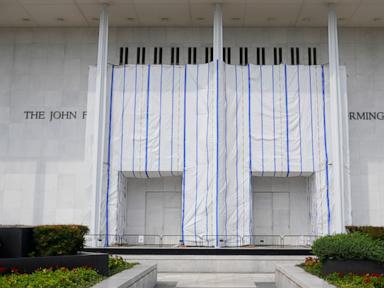
The legal standoff over the John F. Kennedy Center for the Performing Arts is heating up again. Earlier this year, Cooper ordered Donald Trump's name stripped from the historic cultural venue after ruling that the initial renaming breached federal statutes. The administration complied grudgingly, taking down the signage while keeping a tarp over parts of the facade. But the Trump-aligned board didn't stay quiet for long. They voted to carve a new inscription into the stonework, framing it as recognition for renovations rather than a direct renaming. They wanted it done fast, targeting a rollout by early September.
Cooper wasn't buying the timeline. Just moments into the proceedings, he interrupted Justice Department attorney Brantley Mayers to demand answers.
"What's magic about that date?" Cooper asked, pointing out the aggressive September 8 deadline the board set for the fresh inscriptions.
The government's defense leans heavily on fundraising. Lawyers argued that without visible recognition of the president on the property, donor money will dry up, leaving the facility to rot into an unsafe structure. They even floated the drastic possibility that the center could eventually face demolition if major overhauls aren't funded and executed. Commerce Secretary Howard Lutnick echoed that doing nothing invites structural decay.
Opponents aren't buying the narrative. Nathaniel Zelinsky, representing congressional critics including Representative Joyce Beatty, blasted the maneuver as bad faith and open defiance of existing judicial orders. Opponents see the sudden rush to carve new stones and shutter the venue for a multi-year renovation as a transparent workaround to bypass the court's earlier authority.
Judge Cooper drilled down on the core legal principles at stake, brushing aside broad policy arguments. He repeatedly asked what the board's hurried construction schedule has to do with congressional intent regarding the statutes governing the federal memorial. At the same time, the judge questioned his own immediate jurisdiction to block the new inscriptions while higher courts weigh ongoing appeals.
Faced with the prospect of an immediate injunction from the bench, the administration blinked slightly. By the end of Thursday's session, government lawyers filed a notice agreeing to push back any physical changes to the property until at least October 8, giving the court a brief window to deliberate.
The core dispute isn't just about stone letters or plaques. It is a high-stakes turf war over who controls the physical identity of the nation's capital landmarks. As the legal teams submit further briefs, the final word rests on whether the board's clever reframing of the project legally bypasses Congress or simply mocks a federal judge's prior ruling. Expect more friction before any chisels touch the marble.
US President Trump's Name Returns to Kennedy Center Amid Legal Fight
This video provides additional context on the ongoing legal battle surrounding the Kennedy Center board's decision to return President Trump's name to the venue.
http://googleusercontent.com/youtube_content/1