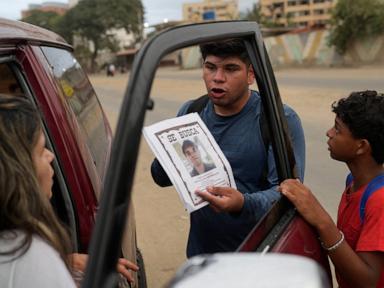
Months after natural disasters strike, the media machinery kicks into a predictable, sentimental gear. We are fed a steady diet of human interest features detailing families tearing through rubble, refusing to halt their private excavation of vanished loved ones long after institutional search and rescue operations have folded their tents. The narrative is always packaged as a testament to the indomitable human spirit, an unyielding refusal to accept tragedy. It plays well on social feeds. It generates clicks, tears, and algorithmic engagement.
It is also a profound systemic failure wrapped in emotional manipulation.
We need to stop romanticizing the indefinite personal search. When a family continues scouring disaster zones months post-event, society is not witnessing a triumph of hope. We are witnessing a catastrophic abdication of state responsibility, coupled with a deep societal misunderstanding of closure, probability, and resource allocation.
Let us look past the cinematic framing of these stories. The lazy consensus in mainstream journalism dictates that every missing person demands an infinite timeline of search, and that abandoning the physical hunt equates to moral surrender. That framework collapses the moment you apply cold, operational reality to disaster response.
The Arithmetic of the Infinite Hunt
In emergency management and search and rescue operations, time is the ultimate arbiter of probability. Statistically, the window for live rescue in seismic events drops off a cliff after seventy-two hours. Once weeks and months bleed past, the operational reality shifts entirely from rescue to recovery, and eventually, to forensic identification.
When institutions pull out heavy machinery, canine units, and structural engineers, they are not doing so out of callousness or bureaucratic fatigue. They are making a calculated, data-driven assessment of survivability and structural integrity. A collapsing ruin months after an earthquake is not a viable excavation site for grieving amateurs; it is an unstable, highly dangerous hazard zone that threatens the lives of the living to retrieve what cannot be medically restored.
I have watched local governments bow to public shaming campaigns, diverting scarce municipal resources to chase ghost leads months after tectonic events, while active infrastructure recovery stalled. That is not compassion. That is a misallocation of societal energy driven by emotional blackmail.
Imagine a scenario where a city diverts its entire engineering budget to fuel endless, unstructured family-led digs through unstable concrete, simply because a camera crew is parked outside. The result is predictable: more injuries, zero viable recoveries, and a community paralyzed by theatrical grief rather than structural reconstruction.
The Weaponization of False Hope
The romanticized narrative serves a darker purpose. It provides a convenient smokescreen for institutional incompetence. When families are left to comb through dust with their bare hands months down the line, it means the state failed at data management, forensic identification, and transparent communication.
Instead of demanding functional civil defense registries, DNA tracking protocols, and organized mortuary science, the public gets distracted by a heartwarming vignette about a mother lifting slabs of concrete. We have conflated suffering with virtue.
The human psyche craves narrative closure, but reality rarely provides clean narrative arcs. When a relative is lost in a catastrophic structural collapse, the physical body may be permanently inaccessible. Clinging to the belief that sheer willpower or a shovel can alter geography is a defense mechanism against trauma, not a rational strategy.
By encouraging this endless loop, we trap families in a state of arrested mourning. They cannot begin the long, arduous psychological work of acceptance because they are trapped in the physical theater of the search. The media keeps them on a treadmill of perpetual crisis for the sake of an emotional payoff.
Redefining Closure Through Pragmatism
We must dismantle the idea that giving up a physical search equals forgetting. True respect for the missing lies in accurate accounting, memorialization, and the safety of the living, not in turning disaster sites into permanent shrines of disorganized excavation.
If you find yourself or someone you know caught in the wake of a disaster, abandon the Hollywood script. The most courageous act after an earthquake is not dying twice under the same rubble in an impossible search; it is stepping back, demanding institutional accountability from disaster response agencies, and redirecting that fierce energy toward building a resilient future where fewer families are left to search at all.
Stop funding the illusion. Stop demanding miracles from tragedy.
Let the dead rest, and start protecting the living.


