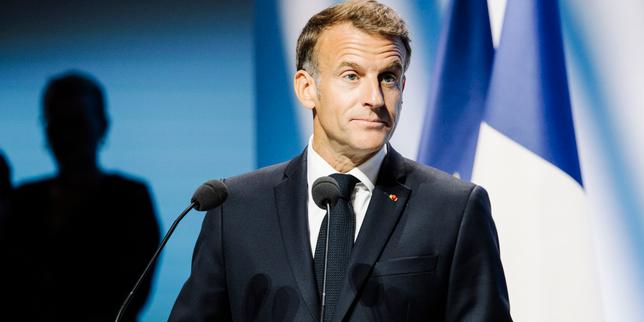
Three years have passed since the brutal attacks shook Israel on October 7, 2023, yet the shockwaves are still reshaping European societies. In France, home to the largest Jewish community in Western Europe, the anniversary brings a heavy reckoning. President Emmanuel Macron recently renewed his pledge to fight antisemitism and terrorism everywhere and always. Words matter, but people want to know what changes on the ground when hate crimes surge and public safety feels fragile.
You cannot separate the geopolitical fallout of the Middle East conflict from domestic European stability. When violence erupts abroad, the temperature rises on Parisian streets, university campuses, and municipal councils. Macron's administration faces a difficult balancing act. Condemning terrorism requires clear moral clarity, yet maintaining social cohesion among diverse populations tests even the most experienced diplomats and interior ministers.
Let's look at what has actually shifted since late 2023. Antisemitic acts in France didn't just inch upward; they spiked dramatically in the weeks following the initial attacks and have remained stubbornly high ever since. Schools, synagogues, and cultural centers require permanent police protection. Parents worry about sending their kids to class wearing visible religious symbols. That isn't normal life. That's a society under strain.
The Real Cost of Rising Hatred
When political leaders make grand speeches about zero tolerance, citizens look at the statistics to judge the sincerity behind the rhetoric. The French Ministry of Interior reported thousands of antisemitic incidents in the months following the October attacks. These range from online harassment and death threats to physical assaults and property damage.
You'll hear politicians debate free speech versus hate speech constantly. It's easy to pontificate in a television studio. It is much harder to patrol suburban neighborhoods where tensions run hot and young people absorb radical narratives through social media feeds unchecked by local authorities.
The government has poured resources into security. Police presence around Jewish institutions is heavier than at almost any point since World War II. Yet, physical protection treats the symptom rather than the disease. Security guards don't change extremist hearts. Education programs and strict judicial penalties are supposed to fill that gap, but court backlogs and inconsistent sentencing mean perpetrators often walk away without fearing serious consequences.
Political Fallout and Fractured Alliances
The political landscape in France splintered further over the Gaza conflict. Parties on the left and right weaponized the tragedy for domestic electoral gains. Nuance disappeared from public discourse almost overnight. If you support Palestinian rights, radical factions try to pull you into justifying terrorism. If you back Israel's right to self-defense, opponents paint you as indifferent to civilian suffering in Gaza.
Macron tried to stake out a middle ground, calling for humanitarian ceasefires while standing firm against terrorism. This pragmatism alienated the extremes on both sides. Left-wing movements accused the president of giving tacit approval to military actions, while right-wing critics argued his government was too soft on domestic radicalization and immigration-linked security risks.
This polarization trickles down to everyday conversations. Dinners with friends or family gatherings turn tense when foreign policy enters the room. People are exhausted. They want simple answers to complex, generational conflicts that defy easy fixes.
What Protecting Communities Actually Takes
Fighting antisemitism and terrorism isn't just about deploying gendarmes with assault rifles outside synagogues. It requires a fundamental shift in how digital platforms handle hate speech. Algorithms reward outrage. When terrorist propaganda or antisemitic tropes go viral, tech companies move too slowly to take them down. France has pushed for stricter European Union regulations like the Digital Services Act, but enforcement remains spotty.
Teachers need better training, too. Classrooms are the front lines of ideological battles. When a history teacher tries to discuss the Middle East or historical persecutions, they frequently face intimidation or pushback from students influenced by online echo chambers. Protecting teachers who want to foster open debate is just as crucial as protecting places of worship.
Civil society organizations play a massive role that governments cannot replicate. Grassroots groups bringing together Jewish, Muslim, and secular citizens build trust at the local level. They prove that coexistence is possible even when national politics are toxic.
Three years on, the scars of October 7 are permanent. Macron's promises are a baseline, not a solution. Real change requires consistent enforcement of the law, uncompromising rejection of hate in all its forms, and the courage to have difficult conversations without sliding into tribalism. Stay alert, support local community initiatives, and demand accountability from your elected leaders instead of accepting empty rhetoric.